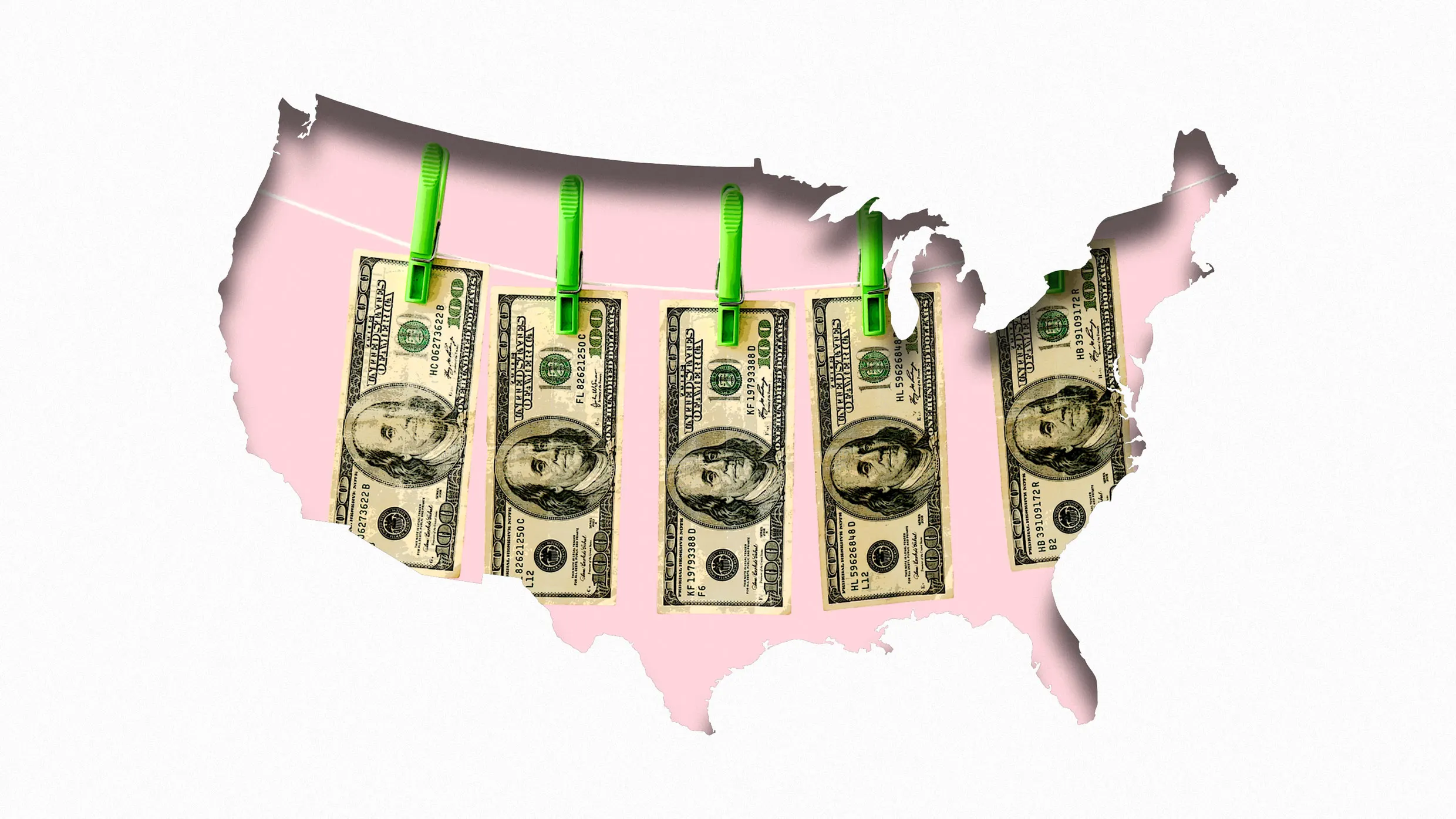
Since 2018, Tulsa, Oklahoma has invested $10,000 each to attract over 4,000 remote workers, generating more than four times that investment in economic impact. Research shows each dollar spent returns $4.31 to the local economy, including $2.09 in direct taxes and $1.80 in local job creation. The Tulsa Remote program, funded by the George Kaiser Family Foundation, represents a shift from traditional employer-focused economic development to recruiting individual mobile workers. The program emphasizes community integration through connections with fellow participants, local organizations, and dedicated staff support during a mandatory one-year stay. Ninety-six percent of participants completed their first year, with 70% remaining long-term. While many communities have attempted to replicate this model, few have achieved comparable success.
"Each dollar given returns $4.31 to the local economy, including $2.09 in direct taxes and $1.80 in local job creation. Most participants admit they wouldn't have applied if not for the cash incentive. But for Harlan and Tulsa Remote, the focus is on helping new residents put down roots during their mandatory one-year stay."
"It's about getting out of the old-fashioned way of thinking about economic development. It's a little bit harder, but the return is there; it just takes a little bit different thinking, especially in today's world where flexible workers have so much choice in terms of geography."
"Since launch, 96% of participants completed their first year, and 70% have remained long-term. Over the years, and especially in the wake of the pandemic, many communities have tried to emulate Tulsa's model, but few have seen the same success."
#remote-worker-recruitment #economic-development #tulsa-remote-program #community-integration #return-on-investment
Read at Fast Company
Unable to calculate read time
Collection
[
|
...
]