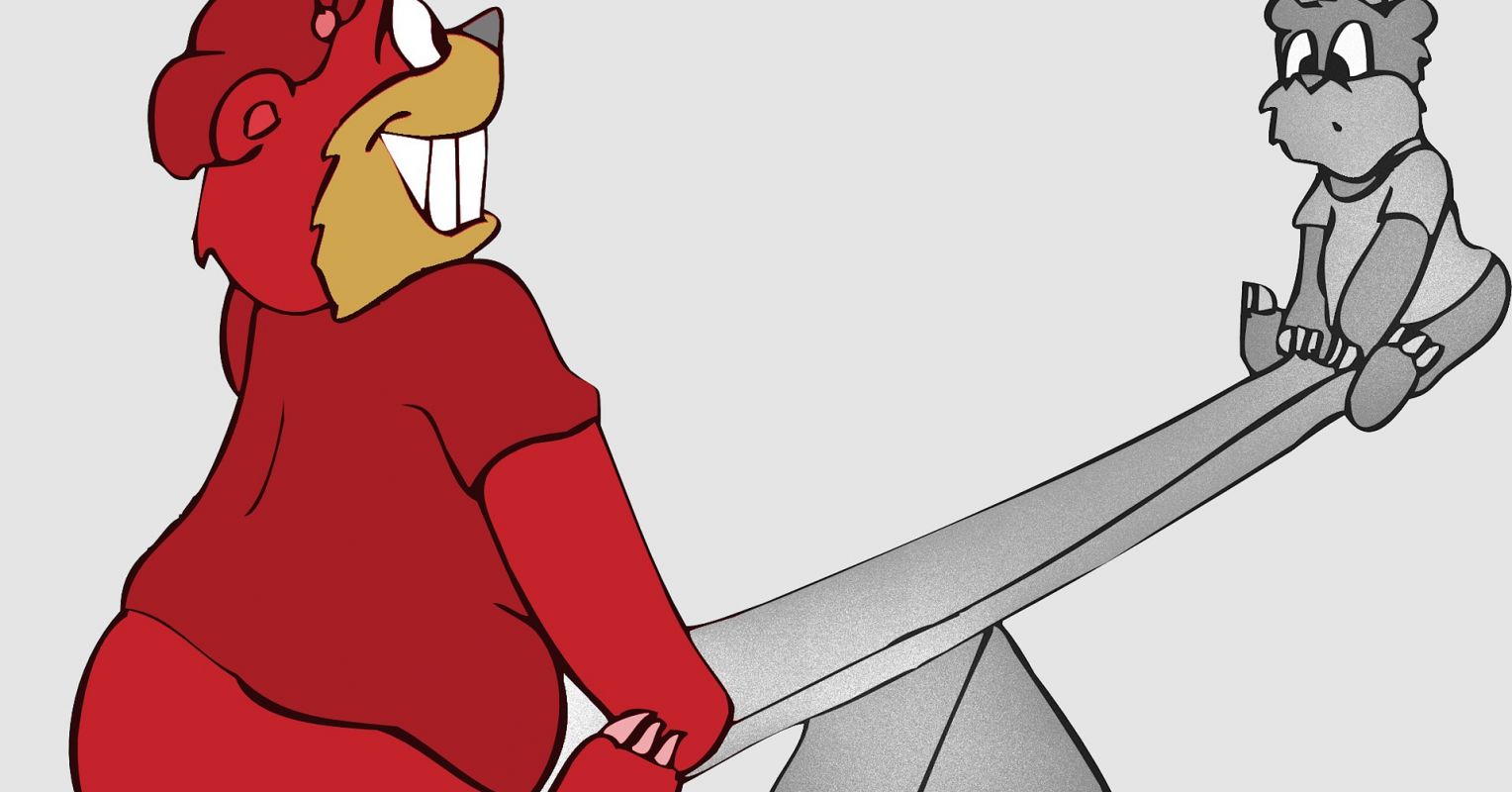
Romantic relationships commonly display a push/pull dynamic where one partner demands more time, attention, and closeness while the other seeks distance and independence. The pushing partner often fears abandonment while the pulling partner often fears engulfment, leading to avoidance of vulnerability and difficult conversations. Well-intentioned platitudes can overlook relational nuance; some relationships deserve ending, especially with abuse, while others retain a kernel of hope. Couples frequently blame each other and avoid accountability for partner choice. Curiosity and lowered defenses can reveal that sought behaviors may not match actual desires, enabling different responses and growth.
"The push/pull dynamic is extremely common in relationships. And most of us have been in it at some point. One partner, the one who seems to love the other more, pushes, demanding more time, attention, and consideration. The other, the aloof one, feels suffocated and, therefore, finds any excuse to avoid difficult conversations and vulnerability, broadly. Most of the couples that therapists see present with this overarching problem."
"It's easy to misunderstand the occurrence as an instance of a misguided chase, for it seems that one isn't getting the message the other doesn't care. So, we often give our struggling friends platitudes like, "Well, if he wanted to he would," implying they should, cut their losses and end the relationship. The problem is that cliche misses the individual essence of a particular relationship."
"Couples therapy usually begins with both parties blaming each other. One blames the other for being needy and the other objects to chronic, perceived mistreatment. "It's all your fault" is the reoccurring yet trite message from both. So, here, we have two individuals unable not only to take responsibility for specific actions but, additionally, to hold themselves accountable for choosing their partner. Often, people will say things like, "Well, I couldn't have known.""
Read at Psychology Today
Unable to calculate read time
Collection
[
|
...
]