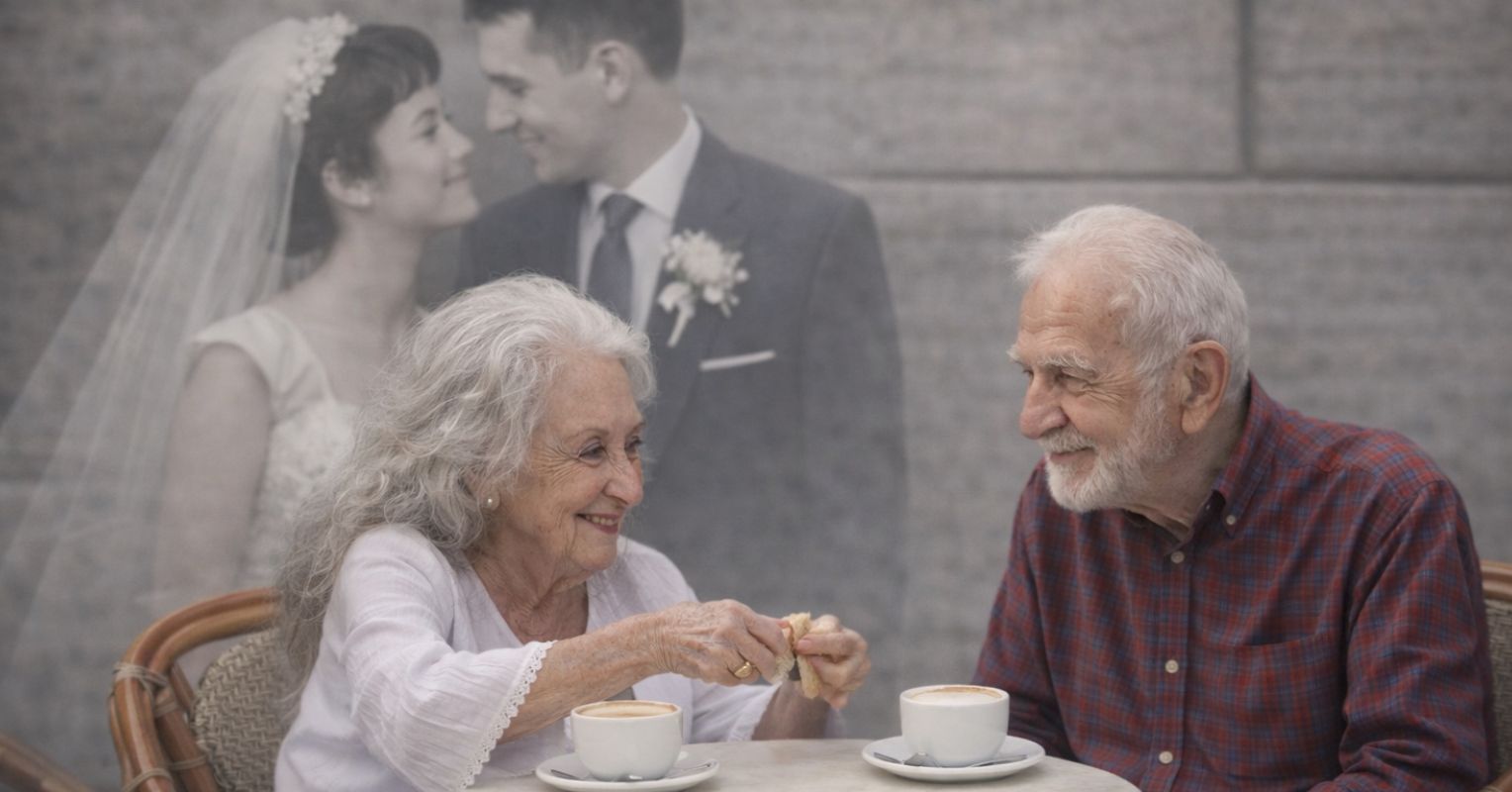
"Marriage expert John Gottman describes the magic of love with a quote from the film Sleepless in Seattle: "I knew it the first time I touched her," Tom Hanks's character says about his late wife. "It was like coming home, only to no home I'd ever known." According to Gottman, who has been researching marriage for more than 50 years, a happy marriage results in greater health, wealth, resilience, and happiness."
"In contrast, a bad marriage not only makes people unhappy, it can lead to negative mental health outcomes, a compromised immune system, and even a shortened life. Years ago, Gottman found that he could predict with 90% accuracy whether couples would divorce. One thing that is not among the indicators of a bad marriage, however, is arguing. In fact, marital disagreements not only help to solve problems, but they're also opportunities for personal growth, increased understanding, and deepened intimacy."
"As Gottman and his wife, Julie, describe in a 2024 TED talk, even in good marriages, only about a third of marital problems, on average, are solvable. About two-thirds are perpetual. What Are You Really Fighting About? Often, when couples fight, what they're actually struggling with is not the topic of the argument. Underneath marital conflict, especially in recurring arguments, what people may really be looking for are answers to fundamental questions about freedom, mortality, meaning, belonging, and isolation."
Happy marriages produce greater health, wealth, resilience, and happiness, while bad marriages cause unhappiness, mental health problems, immune compromise, and shortened life. Gottman could predict divorces with about 90% accuracy. Arguing is not a sign of a bad marriage; disagreements can solve problems, foster growth, increase understanding, and deepen intimacy. Only about one-third of marital problems are solvable; about two-thirds are perpetual. Recurring conflicts often reflect deeper existential concerns—questions about freedom, mortality, meaning, belonging, safety, appreciation, reliability, and whether one still matters or retains freedom within commitment. Partners often seek answers to those fundamental needs during fights.
Read at Psychology Today
Unable to calculate read time
Collection
[
|
...
]