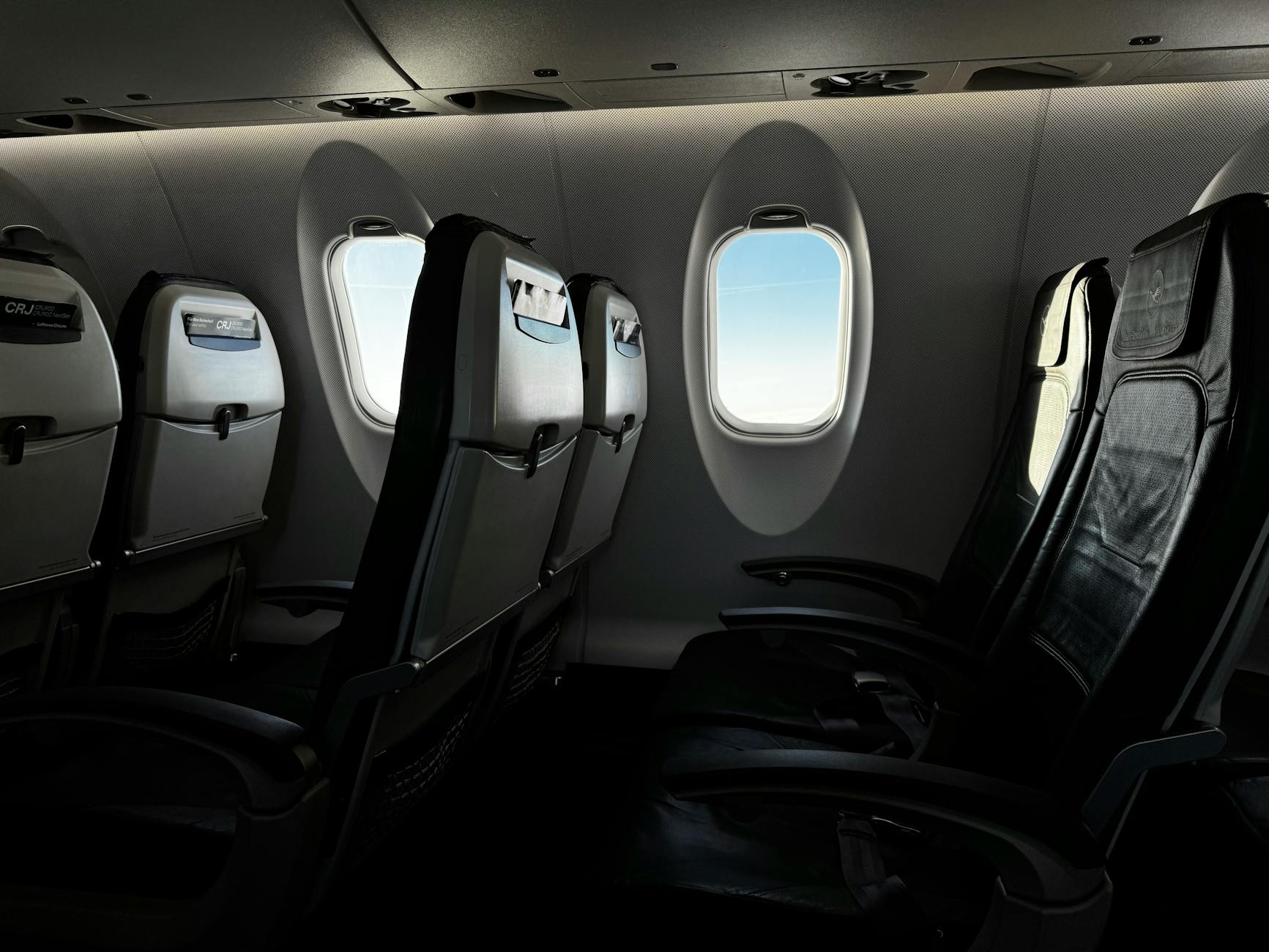
"The real reason I pick the aisle has nothing to do with legroom or convenience. The real reason is that I'd rather fold myself around someone else's comfort than risk being a person who has to say, 'Excuse me, could you let me out?' That sentence, six perfectly normal words, feels like an imposition. Like I'm taking up more space than I've been allocated."
"Here's what I've learned about the aisle seat people, because I am deeply one of them: the preference didn't come from nowhere. It was built, piece by piece, in a childhood where being low-maintenance was the fastest route to approval. Maybe you had a parent who was overwhelmed. Maybe there was a sibling who needed more attention, more resources, more emotional bandwidth."
"You absorbed the message early: needing things is a burden on others. So you learned to arrange your life to never be in a position where you'd have to ask. The aisle seat is one expression of this. But it shows up in a thousand other places, too."
The preference for aisle seats often stems from psychological patterns developed in childhood rather than practical convenience. When a parent was overwhelmed, a sibling needed more attention, or households operated on the principle that good children don't make waves, individuals internalize the message that needing things burdens others. This creates a lifelong architecture of self-minimization expressed through countless micro-decisions designed to avoid asking for accommodation. The pattern extends far beyond airline seating, manifesting in difficulty stating preferences, avoiding imposition, and arranging life to never require asking others for help. Recognizing this pattern requires examining the origins of these behaviors and understanding how early experiences shape present-day choices and comfort levels.
#self-minimization #childhood-psychology #behavioral-patterns #personal-boundaries #emotional-accommodation
Read at Silicon Canals
Unable to calculate read time
Collection
[
|
...
]