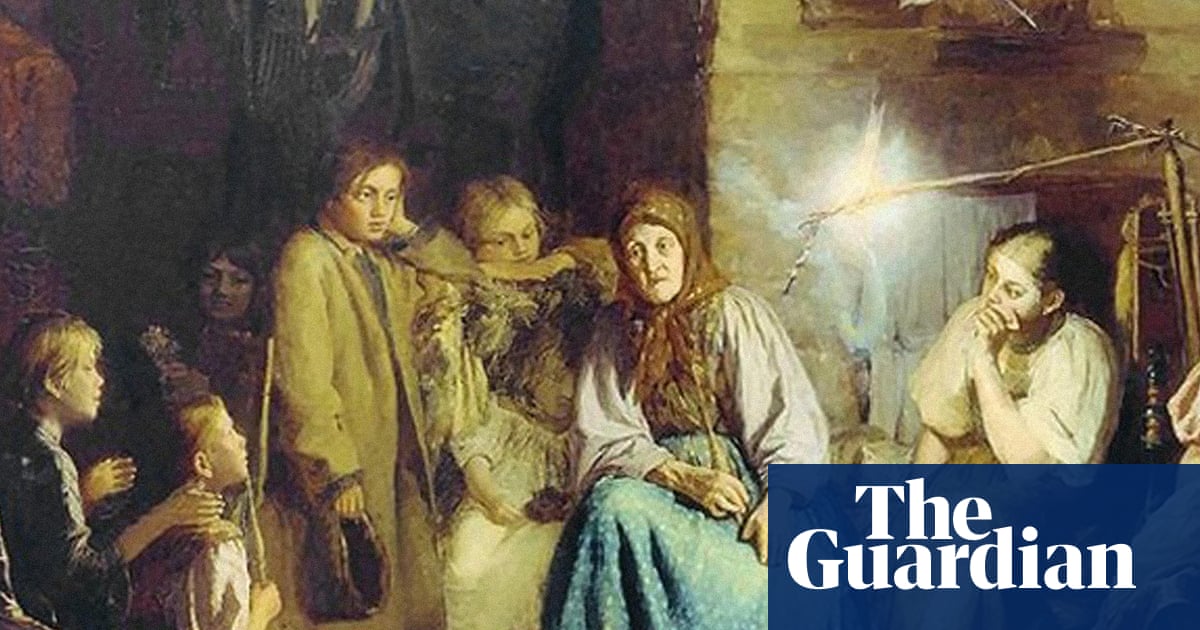
"Reading your letter I kept thinking of the aphorism teachers sometimes go to: I can explain it to you, but I can't understand it for you. So much of what informs our politics is whether we understand what certain things are like. Not whether we know they happen, but whether we understand what it's like to experience them; to be properly sick, poor, afraid, confronted with change we can't control, in a war, out of money, working manually, in a long strike, aspirational, safe, full,"
"We spend a lot of time dissecting politics in terms of beliefs the what but I think a neglected part of our political differences are whether we know how these things feel. It sounds as though that's part of what you think they don't understand; what it's like to really be down, out, or both. And the trouble with that sort of knowledge is you can't get it from someone telling you."
Acknowledge the intention to disagree and proceed from that starting point. Political beliefs are shaped not only by facts but by whether people understand what certain experiences feel like. Knowing that something happens is different from experiencing it: being sick, poor, afraid, facing uncontrollable change, war, poverty, manual labor, long strikes, or precarious aspiration shapes perspectives. Describing these realities to someone does not substitute for lived experience. Experiential understanding cannot be transferred by explanation alone. Despite this gap, a lack of shared experience is not necessarily a barrier to mutual respect.
Read at www.theguardian.com
Unable to calculate read time
Collection
[
|
...
]