"Gentrification is the buzzword going around Mexico City right now, with recent encouraging a policy response from Mayor Clara Brugada, but it is showing no signs of slowing. When we talk about gentrification in Mexico City, many think of digital nomads in hipster cafes in Roma, Condesa and Juárez, but the phenomenon is much more complicated. As these three areas get more popular, the gentrification bubble expands, pushing Mexicans out from the traditionally middle-class neighborhoods"
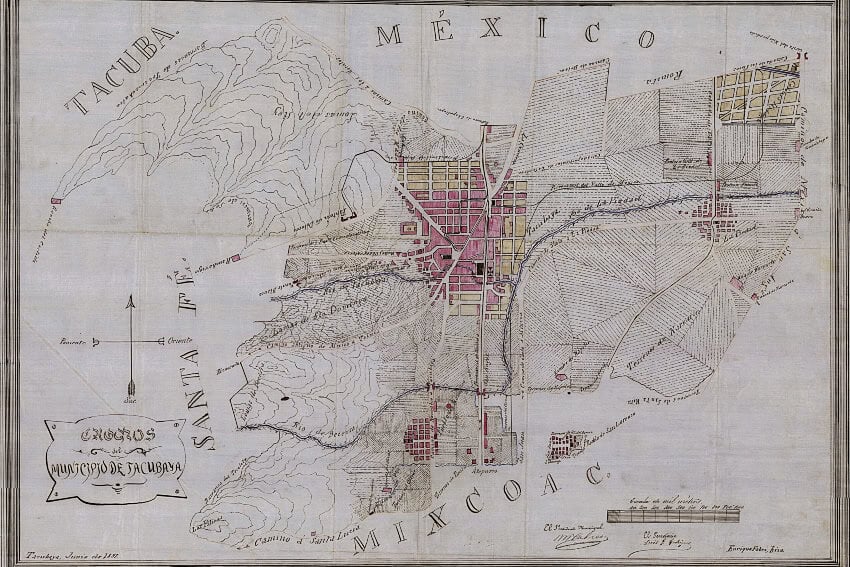
"The ancient city of Tacubaya was known for its strategic access to fresh water. It became known as Atlalcuihaya , meaning "where water is gathered" in the Náhuatl language, before becoming the Spanish Tacubaya. It was a suburban municipality of the city in the 19th century, and landlords began to build several churches, water mills and haciendas, including two that still exist - the museum of Casa de la Bola and the government office of Casa Amarilla , with Parque Lira connecting the two."
"However, in 1928, the Mexican government reworked Mexico City into one central department that incorporated the municipalities around Mexico City, including Tacubaya. Urban development quickly transformed the area, with large haciendas giving way to mixed-use complexes and multifamily buildings. Transformation from utopia to urban transport hub Surrounded by parks and plazas , early developers saw the neighborhood as ideal for walking and socializing. Sprawling avenues quickly appeared, however, as tram lines disappeared to make way for cars. In the 1970s and 1980s, the gov"
Gentrification in Mexico City increasingly pushes middle-class Mexican residents out of Roma, Condesa and Juárez as demand for expensive developments grows among foreigners and wealthier Mexicans. Mayor Clara Brugada has encouraged a policy response, but the trend continues. Expansion of the urban center has shifted investor interest toward Tacubaya as the next development focus. Tacubaya originated as Atlalcuihaya, valued for water access, and became a suburban municipality with haciendas, churches and mills. The 1928 administrative reorganization integrated Tacubaya into Mexico City, and subsequent urban development replaced large haciendas with mixed-use complexes and multifamily housing. Late twentieth-century transport changes prioritized cars over trams.
Read at Mexico News Daily
Unable to calculate read time
Collection
[
|
...
]