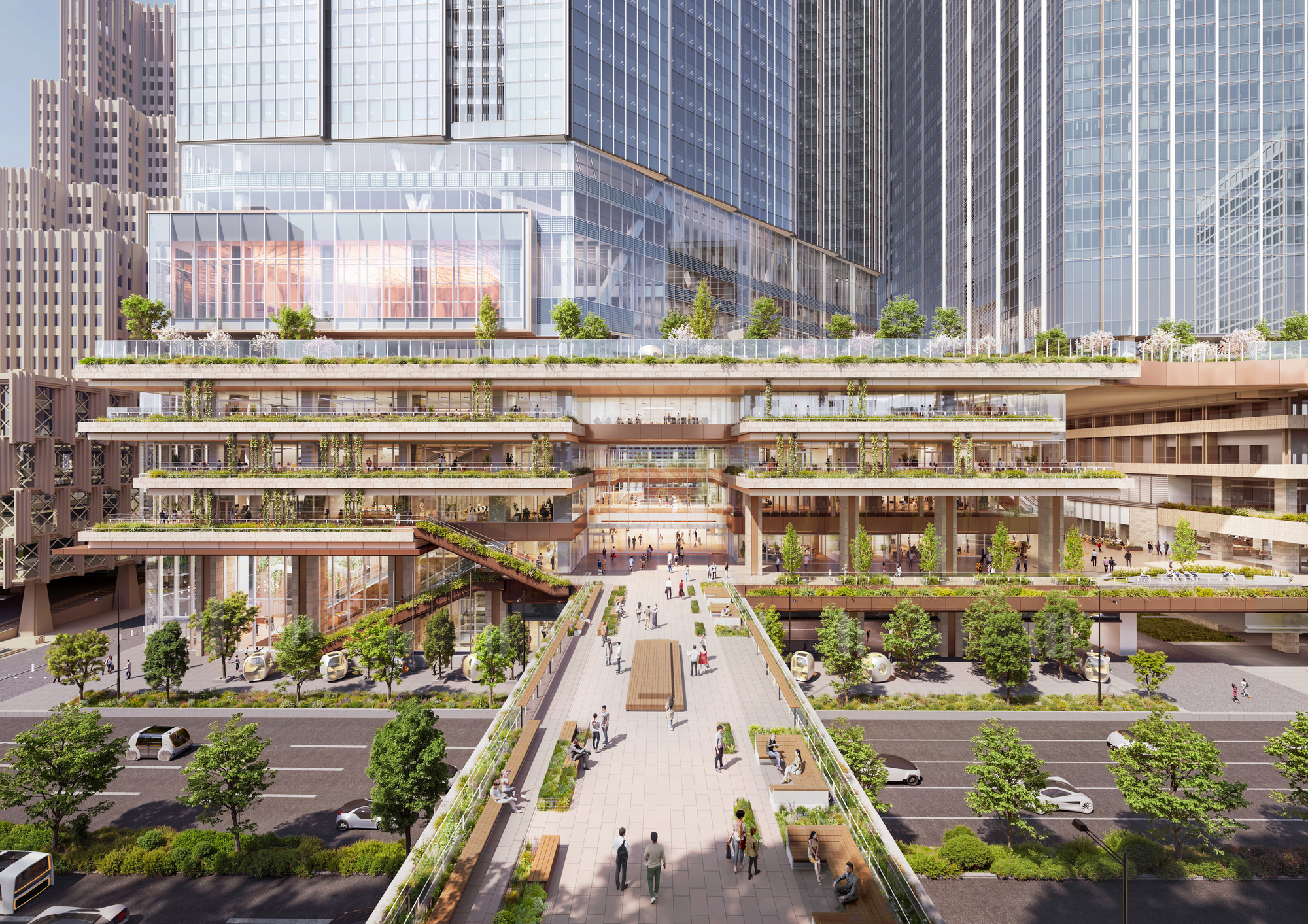
"On December 5, 2025, construction began on the first stage of the scheme, one of four towers planned within the masterplan. The NTT Hibiya Tower, designed by PLP Architecture and developed by NTT Urban Development in collaboration with Tokyo Electric Power Company, is a 230-metre-tall, 361,000-square-metre mixed-use building and forms the central element of the 1.1-million-square-metre Tokyo Cross Park Vision. PLP Architecture serves as Design Architect for the tower, as well as Masterplanner and Placemaking Strategist for the wider development."
"The project incorporates IOWN (Innovative Optical and Wireless Network), a digital infrastructure initiative led by NTT that uses optical technology to support high-capacity data transmission with reduced latency and energy consumption. IOWN is being developed as a next-generation communications network intended to improve efficiency in data transfer by replacing some electronic processes with optical ones. According to PLP Architecture, the system is designed to increase data capacity, reduce latency, and lower energy use compared to conventional networks."
"As one of Japan's largest mixed-use developments, the tower reconsiders the role of a corporate headquarters within a broader urban framework. It forms part of a 6.5-hectare masterplan in central Tokyo and includes approximately 150,000 square metres of workplace space. The design supports distributed working practices, enabling collaboration across locations through shared digital environments rather than relying solely on co-presence."
Construction began on December 5, 2025, for the first of four towers within the Tokyo Cross Park masterplan, anchored by the NTT Hibiya Tower. The tower is a 230-metre, 361,000-square-metre mixed-use building and central element of the 1.1-million-square-metre Tokyo Cross Park Vision. PLP Architecture serves as Design Architect, Masterplanner and Placemaking Strategist, and the development involves NTT Urban Development and Tokyo Electric Power Company. The project incorporates IOWN optical infrastructure to increase data capacity, reduce latency and lower energy use, supporting adaptable building systems, digitally responsive environments and distributed working across approximately 150,000 square metres of workplace space.
Read at ArchDaily
Unable to calculate read time
Collection
[
|
...
]