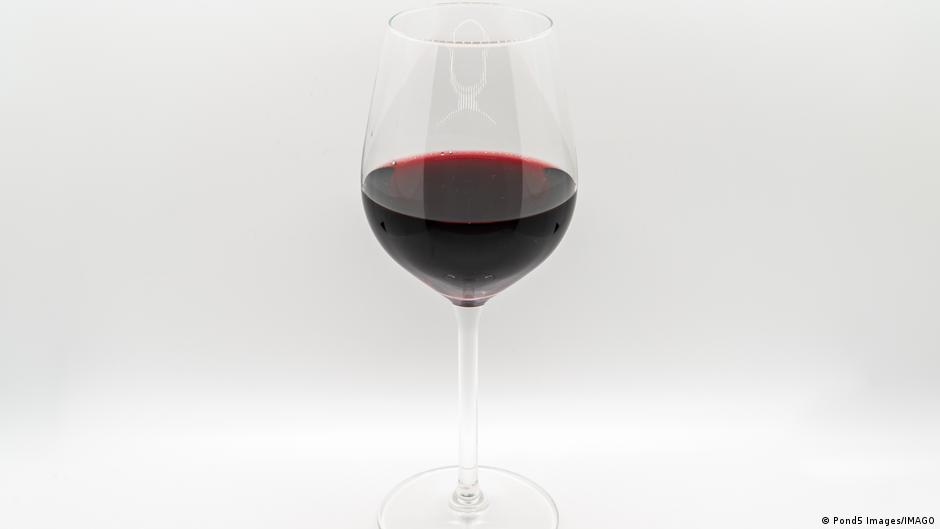
"Even in Paris's hard-drinking intellectual circles, French philosopher and feminist icon Simone de Beauvoir found that a glass of wine hit harder than expected. De Beauvoir once joked that two glasses left her feeling quite dizzy, long before any existential debates began. Decades later, science can explain why: Women's bodies process alcohol differently from men's often faster and more intensely and women's brains also respond more strongly to its rewarding effects, even when drinking the same amount as men."
"Alcohol affects the body almost immediately. Before it hits the stomach, taste buds signal the brain, causing small changes in heart rate, blood flow, and brain chemistry to get the body ready. When you swallow alcohol, a little is absorbed in the stomach, but most moves to the small intestine, where it quickly enters the blood. Some of it is broken down in the stomach and liver by an enzyme called alcohol dehydrogenase (ADH), a process known as first-pass metabolism (FPM)."
"In 1990, researchers gave 20 men and 23 women the same amount of alcohol adjusted for each individual's body weight. The women drank the same amount as the men but their bodies filtered out less alcohol early on, so more of it entered the bloodstream, resulting in higher blood alcohol levels on average. But intoxication isn't only about how fast alcohol enters the blood. What happens next in the brain also differs by biological sex."
Alcohol begins affecting the body almost immediately through taste-bud signals that alter heart rate, blood flow, and brain chemistry. A small amount is absorbed in the stomach, but most passes to the small intestine for rapid entry into the bloodstream. Some alcohol is metabolized in the stomach and liver by alcohol dehydrogenase (ADH) during first-pass metabolism (FPM). A 1990 study gave men and women equivalent weight-adjusted alcohol doses and found women had less early alcohol filtration, producing higher blood alcohol concentrations. Women’s brains also appear to respond more strongly to alcohol’s rewarding effects. Scientists debate whether body weight or enzymatic differences mainly drive sex disparities in alcohol effects.
Read at www.dw.com
Unable to calculate read time
Collection
[
|
...
]