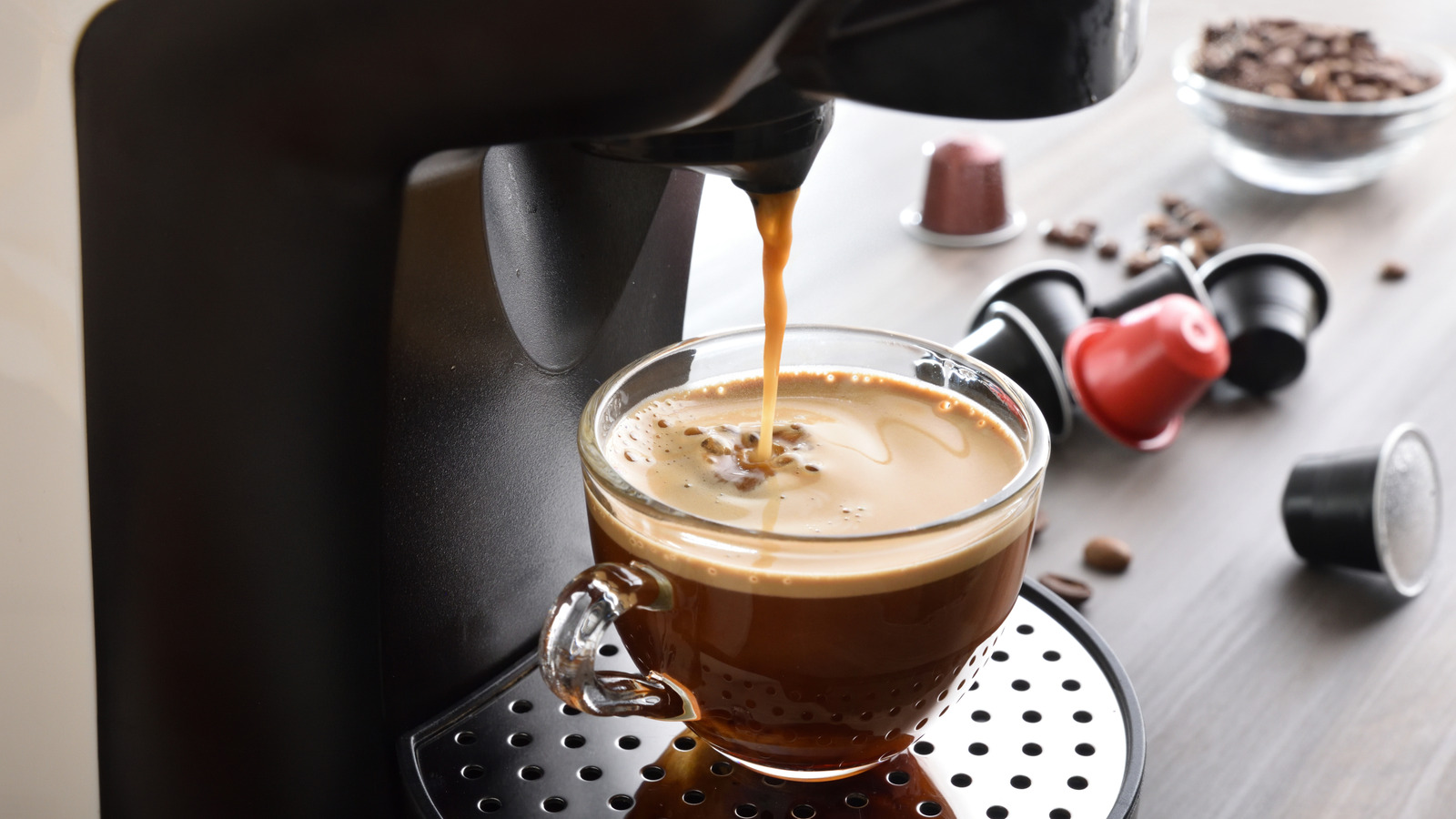
Sam's Club Member's Mark decaf coffee pods are reportedly decaffeinated using methyl chloride, though the packaging does not list the chemical. A Reddit report and another source allege confirmation from Sam's Club that methyl chloride is used. Methyl chloride is approved for food use by the U.S. Food and Drug Administration but is labeled a carcinogen by NIH and the EPA. The EPA cites animal studies showing inhalation increases lung and liver cancer risk and calls it a probable human carcinogen. The FDA permits up to 10 ppm in food; typical residual levels are about 2–3 ppm.
"While famous brands like Starbucks command plenty of loyalty, Sam's Club shoppers know that its store brand Member's Mark offers equally great coffee products for less dough. However, for every Sam's Club dupe that reviewers say outshine the originals, there are other items that customers pan, like the Member's Mark decaf coffee pods. The red flag is the possible presence of methylene chloride, a chemical that has long been under fire for its potential health consequences."
"Soaking coffee beans in a methyl chloride solution is a long-standing way to decaffeinate coffee. The Member's Mark Colombian Supremo Decaf Coffee Pods make no mention of the chemical on the package; however, in 2024, a Reddit user claimed to have called Sam's Club about the product and received confirmation that the coffee is decaffeinated using methyl chloride. At least one other source also alleges that these pods contain the controversial solvent."
"Though methyl chloride is approved by the U.S. Food and Drug Administration, the chemical has been labeled as a carcinogen by the National Institutes of Health and Environmental Protection Agency. According to the EPA, various studies have found that inhaling methyl chloride increases the risk of lung and liver cancer in animals, leading the organization to label it as a "probable human carcinogen.""
Read at Tasting Table
Unable to calculate read time
Collection
[
|
...
]