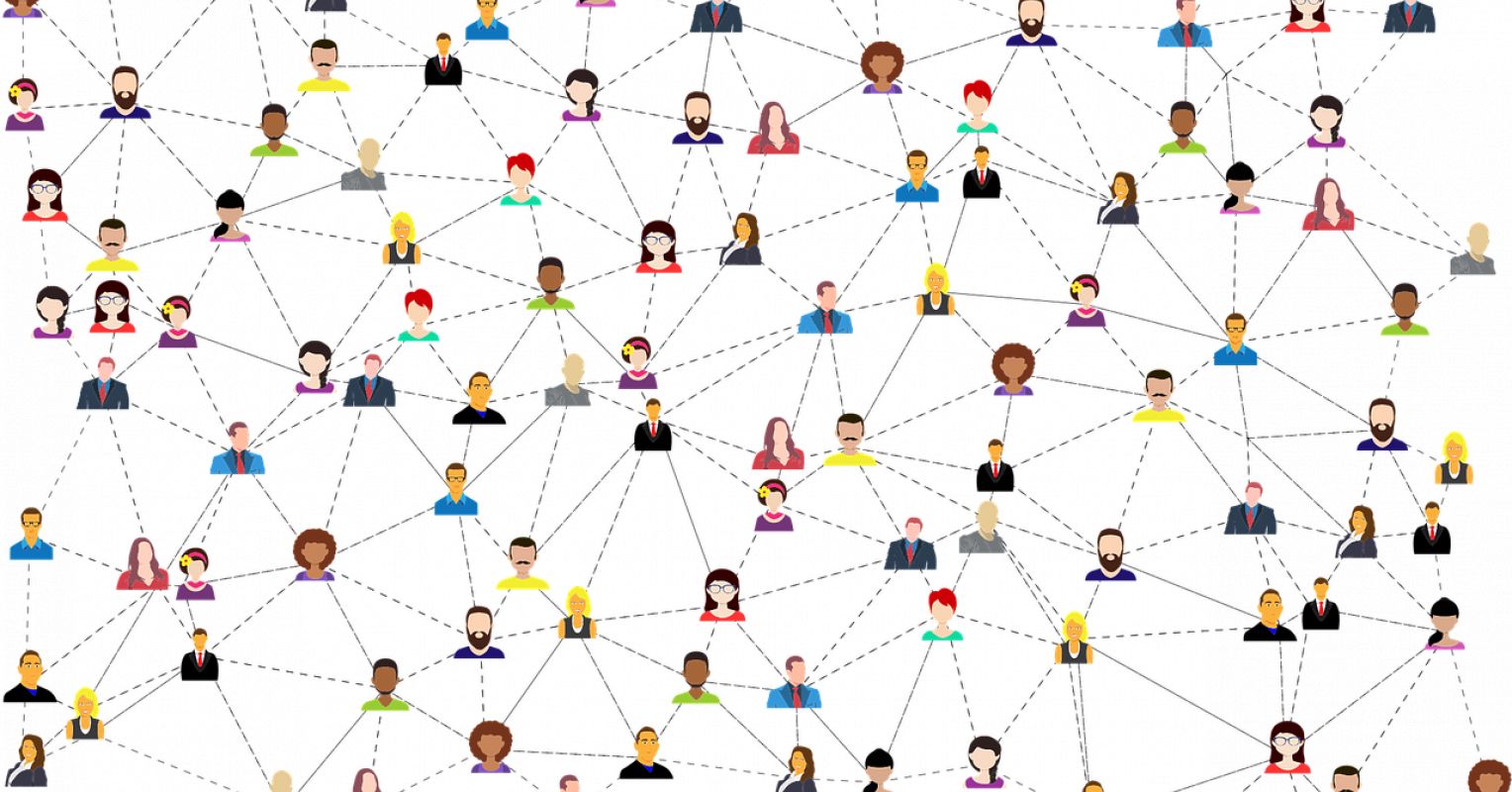
"Research has shown there to be psychological and physical benefits to be gained through civic engagement-involvement in an activity that supports one's local community. Such activities include volunteering, such as working in a soup kitchen; fundraising for a nonprofit; participating in a charitable cause, such as a "fun run"; voting or supporting a candidate; visiting people who are sick; serving as a booster for a school's athletic team; organizing a neighborhood event, such as a potluck dinner; and taking part in an environmental cleanup."
"Those who were involved (labeled "Activists" and "Helpers") had higher levels of self-esteem, a greater sense of optimism, and more advanced identity development than those who were not (labeled "Uninvolved"). Other studies have shown that not just young adults but all members of a community benefit psychologically through such involvement. "People who are civically engaged tend to be better adjusted, socially and emotionally, than individuals who are not," Pancer wrote in summarizing the abundant research examining the role of citizenship in our lives."
Civic engagement provides psychological and physical benefits and supports individual health and well-being. Activities span volunteering, fundraising, charitable events, voting, visiting the sick, school booster roles, neighborhood organizing, and environmental cleanups. Young people who participate in civic activities show higher self-esteem, greater optimism, and more advanced identity development than uninvolved peers. Civic involvement benefits adults across communities by improving social and emotional adjustment. Parents and schools influence civic participation through role modeling and encouragement. Volunteering delivers community benefits and may be associated with increased longevity.
Read at Psychology Today
Unable to calculate read time
Collection
[
|
...
]