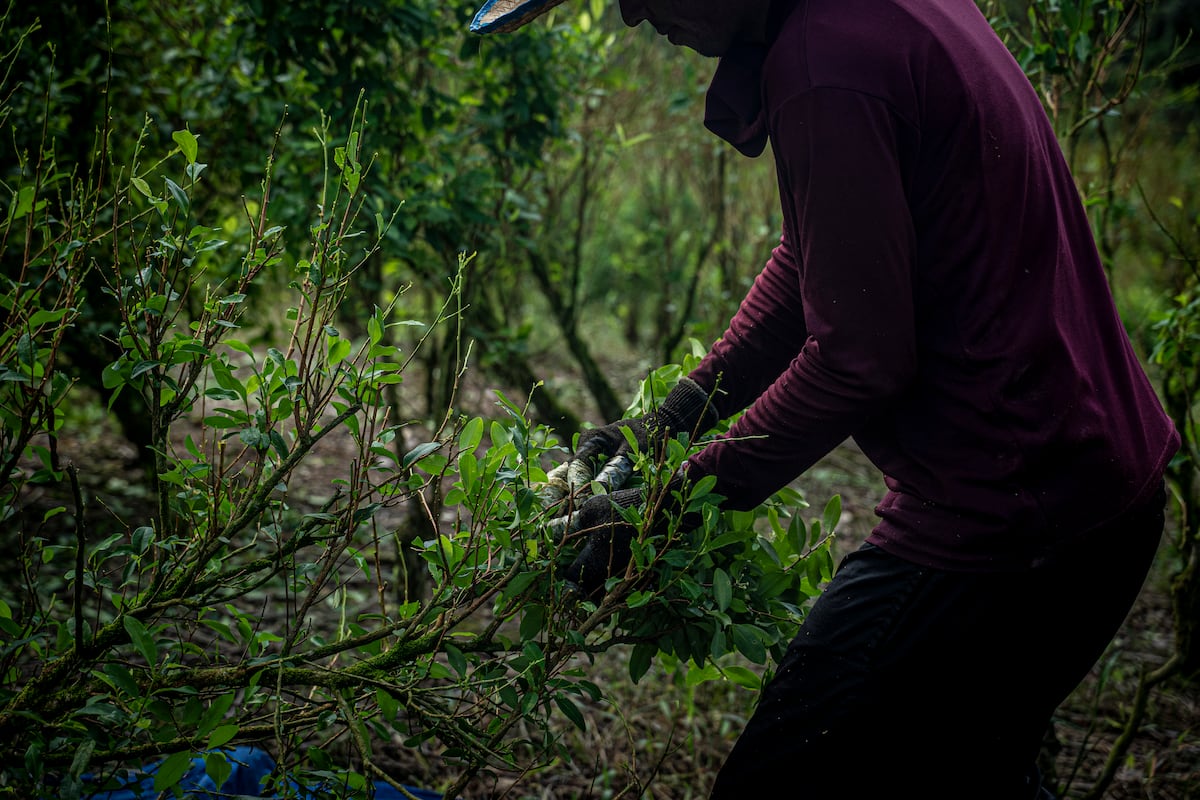
Coca leaves will remain on Schedule I of the 1961 Single Convention on Narcotic Drugs following a WHO recommendation to keep them listed. Bolivia formally requested removal in June 2023, with Colombia supporting efforts to destigmatize coca and promote traditional and alternative uses. Civil society organizations have questioned the WHO decision. Bolivian leadership emphasized coca's cultural importance to Andean-Amazonian peoples while Colombian representatives argued a lack of scientific justification for listing. The WHO cited the ease of converting coca leaves into coca paste and cocaine hydrochloride and provided yield estimates linking leaf harvests to cocaine production.
"Coca leaves will remain on the list of highly dangerous substances, where they have been for over 60 years. The window of opportunity that had opened for their removal has just been shut: the World Health Organization (WHO) has recommended keeping them on Schedule I the most restrictive of the 1961 Single Convention on Narcotic Drugs. Bolivia's request to declassify coca leaves, which Colombia had enthusiastically supported, has been met with a major setback."
"The two countries' campaign to destigmatize coca, differentiate it from cocaine, and promote its alternative and traditional uses has suffered a significant blow. The decision by the UN agency is now being questioned by a wide range of civil society organizations that had expected the opposite from an institution focused on health issues. The Bolivian government formally requested in June 2023 that coca leaves be removed from the list of controlled substances alongside heroin, cocaine, and fentanyl."
"The coca leaf is like a dry seal that protects the identity of the ancestral Andean-Amazonian peoples, argued Bolivian Vice President David Choquehuanca at the time. There is not a shred of scientific evidence to justify including the coca leaf on that list, countered Laura Gil, then-Colombian ambassador to Vienna, the headquarters of the United Nations Commission on Narcotic Drugs."
"It is estimated that one hectare of coca bush cultivation produces approximately 4.2 tons of fresh coca leaves per year; one ton of fresh leaves produces approximately 1.5 kg of coca paste or 1.4 kg of cocaine base; one kg of cocaine base results in roughly 0.9 kg of cocaine hydrochloride, which typically contains around 85% pure cocaine, the organization calculates."
Read at english.elpais.com
Unable to calculate read time
Collection
[
|
...
]