"The Trump administration wants to change Americans' diets because, with more than 70% of adults now overweight or obese, it considers America to be sick. This is how the Department of Health and Human Services (HHS) defined it, as it launched the Dietary Guidelines for Americans on January 7th. These recommendations, part of the Make America Healthy Again (MAHA) movement, promote the consumption of fresh foods over processed foods, which predominate on the tables of millions of Americans."
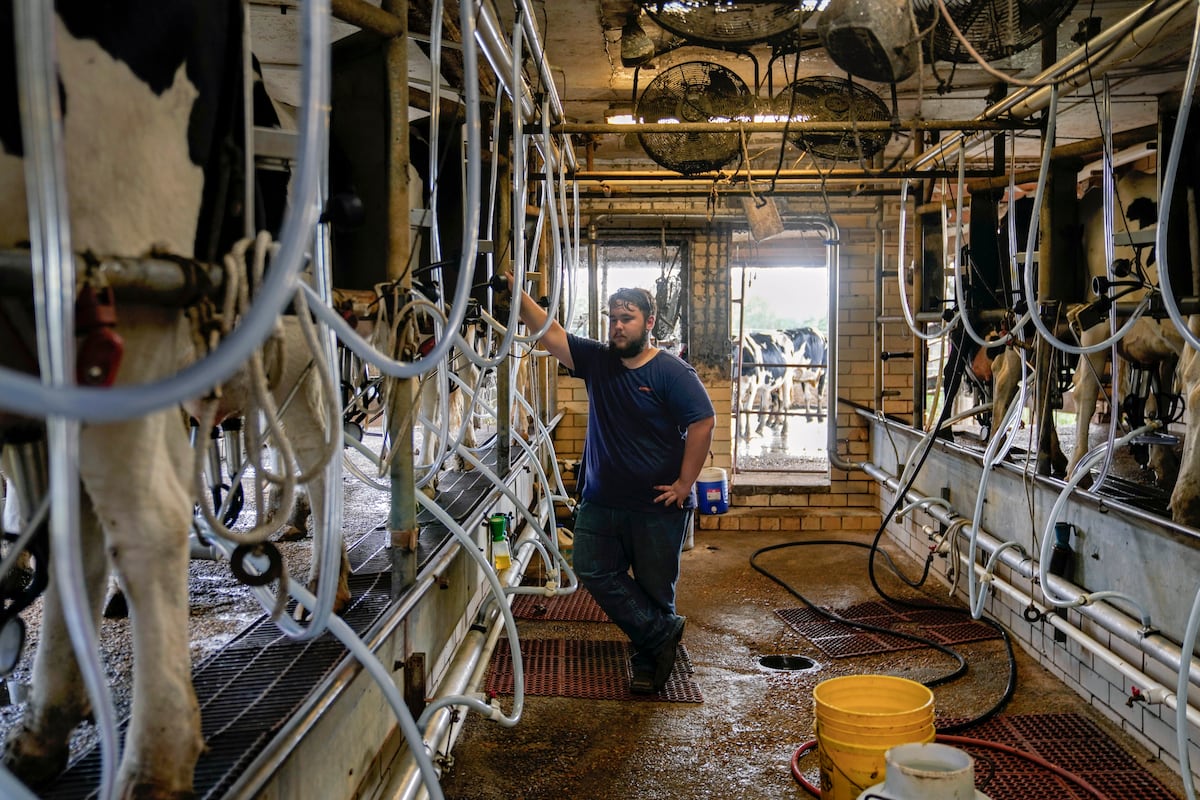
"The new guidelines prioritize the consumption of protein sources, such as red meat and whole milk, a victory for the meat and dairy industries and a defeat for those who denounce the environmental damage caused by the industry. Aside from the controversy surrounding the recommendation of foods that have been discouraged by doctors for decades, the initiative faces a significant problem: the Administration's anti-immigrant policies have led to a labor shortage in the livestock and agricultural sectors."
"Business leaders who benefit from the new food pyramid argue that the recommendations highlight a contradiction in national policy: while consumers are encouraged to choose fresher, more nutritious foods, farms and agriculture are facing a labor shortage that threatens their ability to meet this demand. This imbalance between supply and demand could also lead to higher food prices for American families."
"The new dietary guidelines recognize the importance of nutritious foods grown in the United States, but they overlook a fundamental reality: We cannot get real food to Americans' tables without people working on our farms, said Rebecca Shi, executive director of the American Business Immigration Coalition (ABIC), a bipartisan organization that unites more than 1,700 CEOs, business owners, and trade associations in 17 states."
The Department of Health and Human Services launched new Dietary Guidelines promoting fresh foods over processed items and prioritizing protein sources like red meat and whole milk. The guidelines align with meat and dairy industry interests and conflict with environmental concerns about livestock production. Anti-immigrant enforcement policies have reduced labor availability in livestock and agriculture, producing a significant workforce shortage on farms and ranches. Business leaders warn that the push for fresher foods clashes with limited farm capacity, risking supply shortfalls and higher food prices for families. The guidelines emphasize U.S.-grown nutritious foods but fail to address the need for farm workers undermined by arrests and deportations.
Read at english.elpais.com
Unable to calculate read time
Collection
[
|
...
]