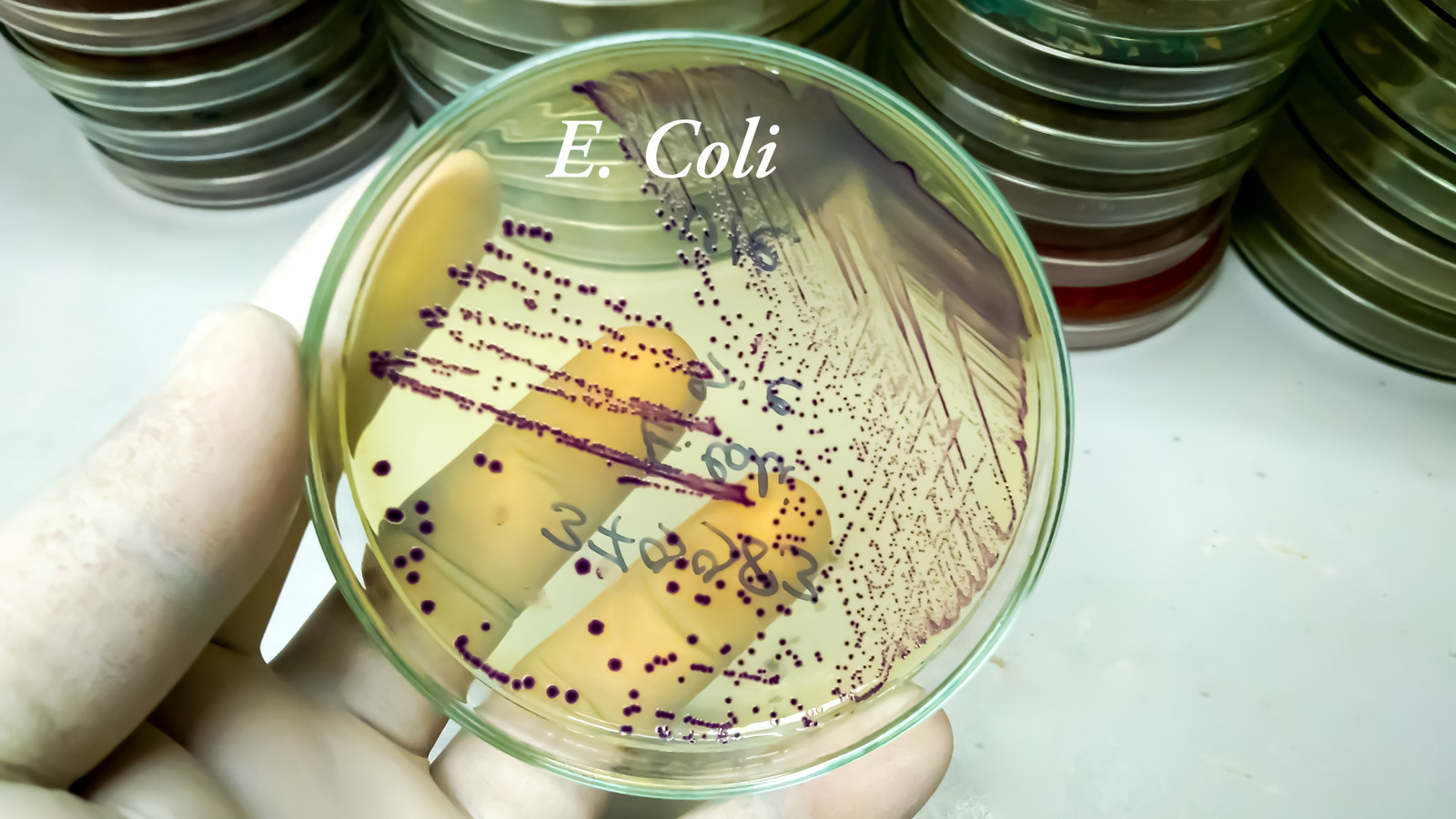
"E. coli - you don't want it. You really, really don't. Properly known as Escherichia coli, E. coli are bacteria found in the intestines of humans and animals. While many of them are harmless, some kinds can cause severe gastrointestinal illness, with the most dangerous pathogenic types - such as Shiga toxin-producing E. coli (STEC) - potentially leading to kidney failure and death, particularly among vulnerable groups such as children, the elderly, and those with compromised immune systems."
"According to the Food Safety and Inspection Service of the U.S. Department of Agriculture, raw ground beef is especially vulnerable to bacteria like E. coli if the pathogens are present during its processing; not only will more of the meat's surface be exposed to the bacteria, but the grinding can mix the contamination throughout the entirety of the meat. Amongst bacteria, E. coli is a particular cause for concern, as it can survive extremely low temperatures, and even slowly multiply when the food is frozen."
Escherichia coli are intestinal bacteria; many strains are harmless but pathogenic types, including Shiga toxin-producing E. coli (STEC), can cause severe gastrointestinal illness, kidney failure, and death, particularly in children, elderly, and immunocompromised people. E. coli contamination can occur at any point in the food supply chain—on farms, in packing facilities, or at retail—making prevention challenging and requiring rigorous safety standards. Raw ground beef is especially vulnerable because grinding exposes and distributes surface contamination throughout the meat, and E. coli can survive very low temperatures and even multiply slowly when frozen. Undercooked contaminated beef has caused large outbreaks and fatalities.
Read at Tasting Table
Unable to calculate read time
Collection
[
|
...
]