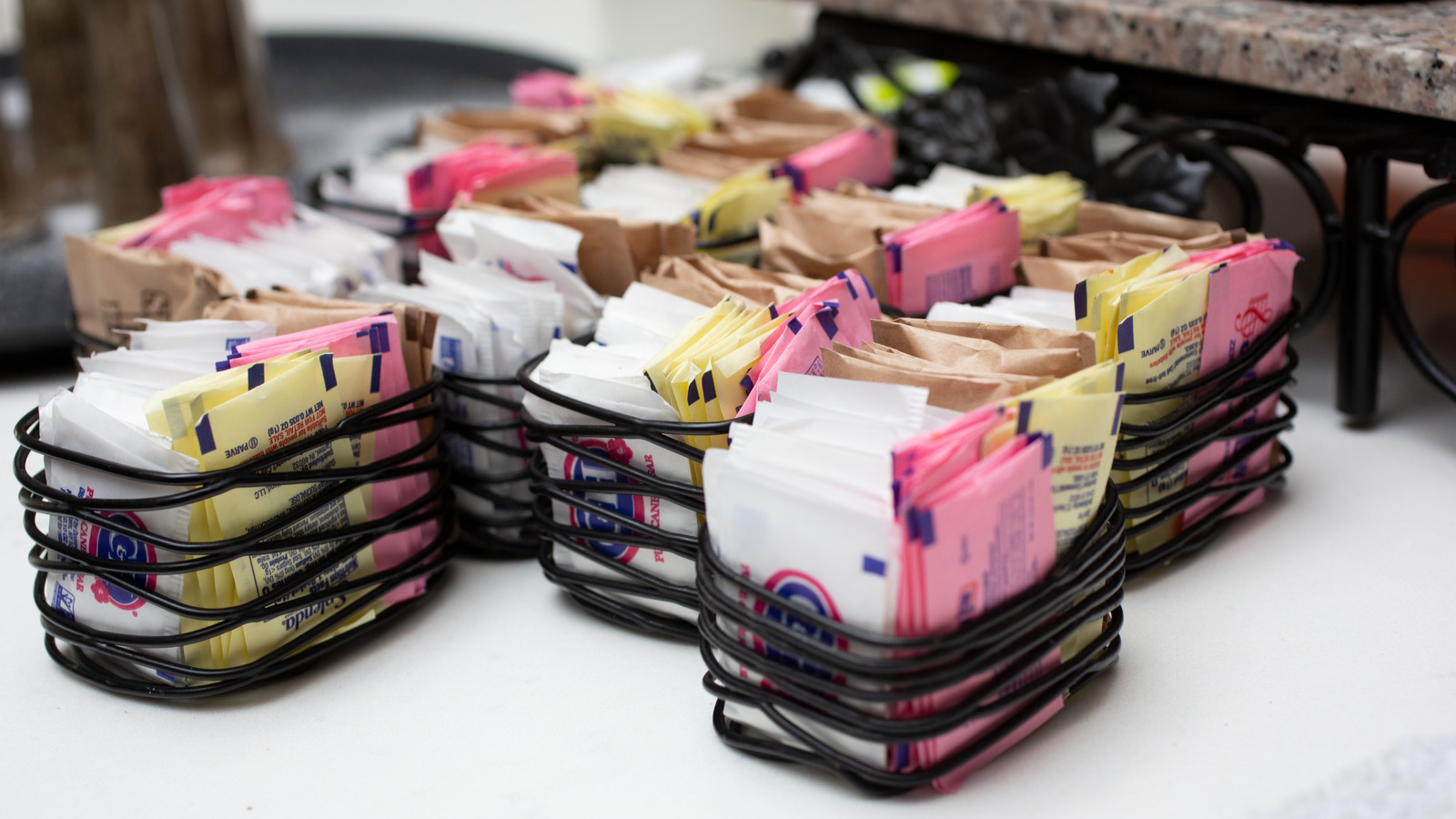
"I'm usually hesitant to label one as the "safest," because most FDA-approved artificial sweeteners have established acceptable daily intake levels based on extensive safety reviews. In practice, safety tends to come down to dose and individual context rather than one sweetener being categorically better than another."
"For aspartame, up to 40 milligrams per kilogram of body weight is considered safe, which would be at least nine cans of most diet sodas, far more than most people drink. Other zero calorie sweeteners like sucralose and saccharin have lower recommended daily dosages than aspartame, however they are also considerably sweeter."
"Major artificial sweeteners have been tested repeatedly and deemed safe for human consumption, and in general there is little scientific evidence that consuming popular sweeteners has serious health consequences."
Approximately 25% of American adults consume artificial sweeteners daily, with expanding options available in stores. Certified dietitian Kathleen Benson explains that labeling one sweetener as "safest" is misleading since most FDA-approved options have established safe daily intake levels based on extensive safety reviews. Aspartame, for example, is considered safe at 40 milligrams per kilogram of body weight—equivalent to nine diet sodas daily, far exceeding typical consumption. Other sweeteners like sucralose and saccharin have lower recommended dosages but are considerably sweeter, requiring less product. The FDA and scientific evidence support that major artificial sweeteners are safe for human consumption, with safety determined by dose and individual context rather than the sweetener itself.
Read at Tasting Table
Unable to calculate read time
Collection
[
|
...
]