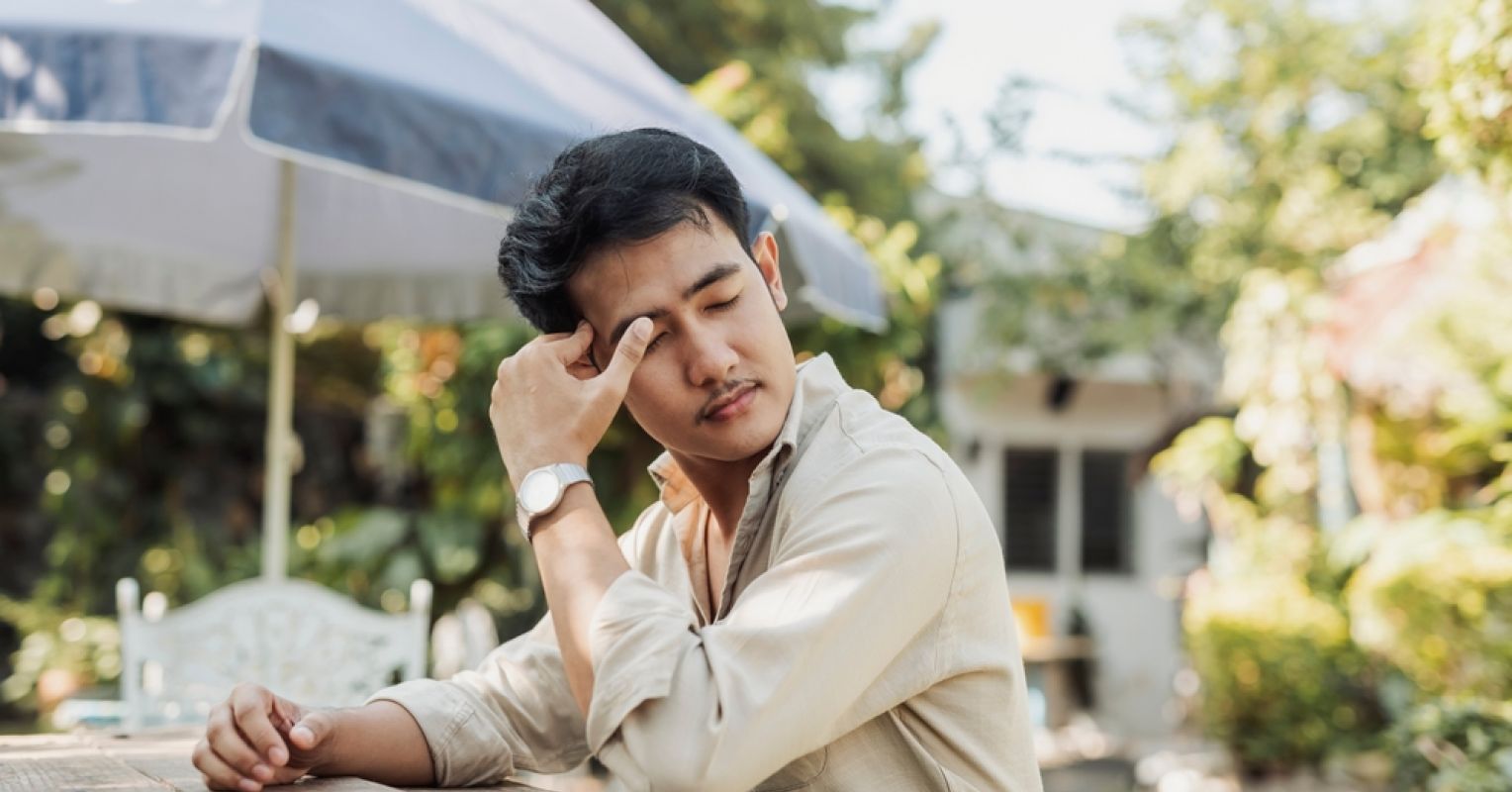
"In the Philippines-where extended families share meals daily, church communities gather weekly, and people spend hours each day on social media-57% of citizens report feeling very or fairly lonely, according to Meta-Gallup's 2023 Global State of Social Connections report, the second-highest rate globally. Separate surveys suggest Filipino youth are among the loneliest in Southeast Asia."
"To understand this paradox, an eight-country qualitative study by the Annecy Behavioral Science Lab interviewed 50 Filipinos across age groups and loneliness levels. The findings reveal how a society celebrated for bayanihan -communal unity-can also produce deep, if often invisible loneliness. The Performance of Connection "Disconnection is the unwillingness to connect anymore," one participant explained. "Loneliness is invisible...we are good at hiding loneliness.""
More than half of Filipinos report feeling very or fairly lonely despite dense family living, frequent church involvement, and heavy social media use. Meta-Gallup 2023 found 57% reporting loneliness, and other surveys indicate Filipino youth experience especially high loneliness. An eight-country qualitative study interviewed 50 Filipinos and found cultural patterns that make loneliness invisible. Pakikipagkapwa structures interaction by insider-outsider status while hiya and expectations of cheerfulness encourage masking of private distress. Social connection emphasizes interaction over emotional intimacy, producing invisible disconnection amid crowded homes. Family functions as both support and obligation, with younger members disproportionately bearing caregiving burdens.
Read at Psychology Today
Unable to calculate read time
Collection
[
|
...
]