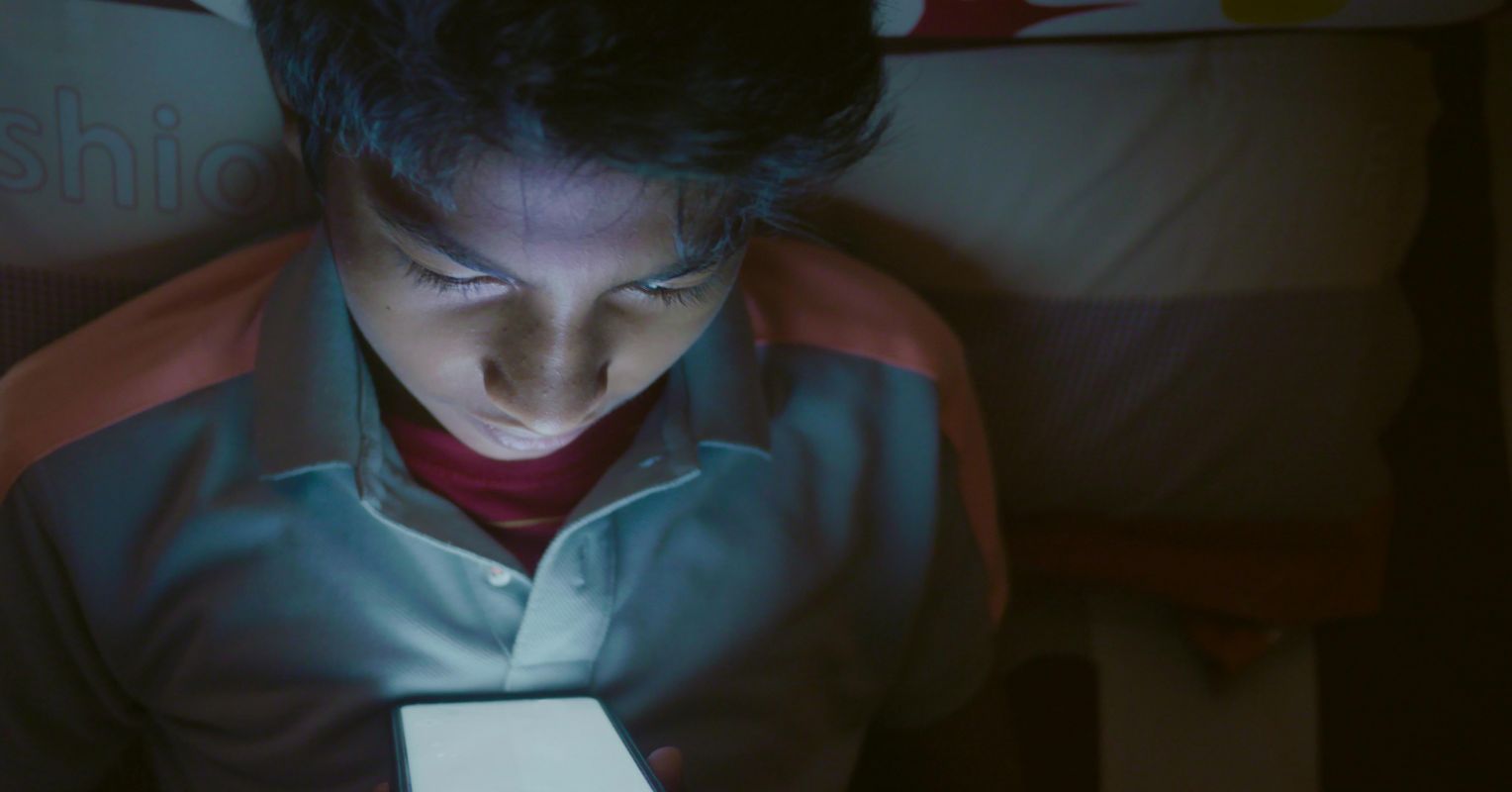
"The American Academy of Sleep Medicine recommends eight to ten hours of nightly sleep for teenagers. Most get less than seven. There's robust evidence linking nighttime media use to poor sleep. For many teens, nighttime scrolling fills the hours meant for rest. Our work and others' show that more than 70 percent of adolescents say they check their phones after going to bed, and many wake up in the night to respond to notifications."
"Sleep-deprived teens face higher risks of depression, anxiety, substance use, and academic struggles. While Australia's move is bold, similar efforts are emerging in the United States. Utah and Arkansas now require parental consent for minors to join social media platforms, and states including New York, Louisiana, and Florida are debating tighter controls on underage users or on the algorithms designed to keep them scrolling late at night."
National policy actions increasingly address adolescents' nighttime social media use and its contribution to sleep loss. Australia banned social media for children under 16; several U.S. states require parental consent or are debating restrictions on underage accounts and engagement algorithms. Sleep-deprived adolescents face higher risks of depression, anxiety, substance use, and poorer academic performance. The American Academy of Sleep Medicine recommends eight to ten hours nightly, yet most teenagers obtain less than seven. Nighttime scrolling is widespread—over 70 percent report checking phones after going to bed—and nocturnal notifications fragment sleep. Policy measures and later school start times can reduce late-night screen exposure and improve sleep and mental health.
Read at Psychology Today
Unable to calculate read time
Collection
[
|
...
]