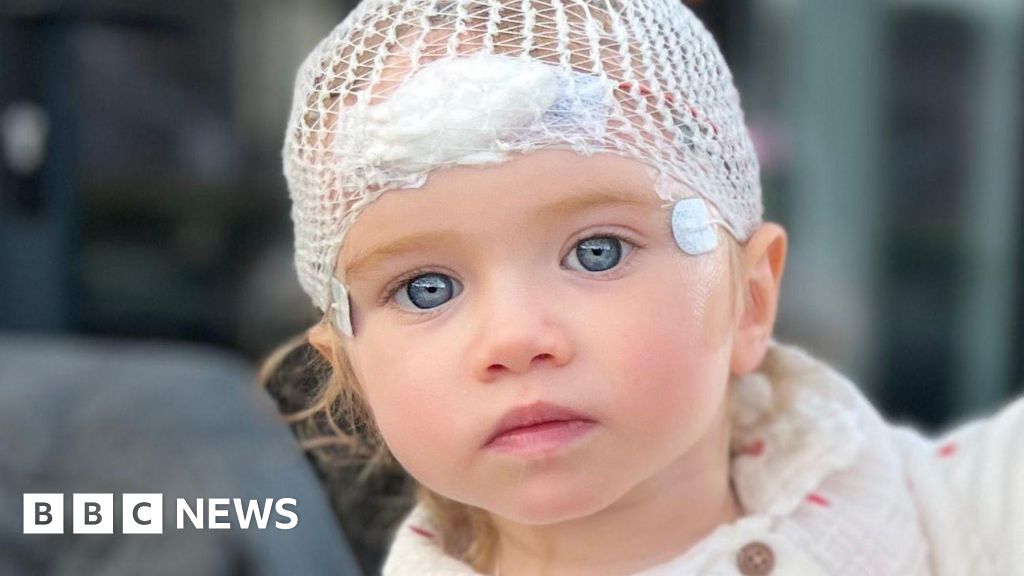
"It is really, really hard. He said the family had 'cried and begged for help' in meetings at home. 'Does our family unit have to break down? Does it have to get to a point where we no longer sustain this and then they'll step in and give you support? Because right now that's where we're at. We don't have any alternatives. If grandparents were an option, we'd already be doing it.'"
"Dan told the BBC the monitoring and caring for a severely disabled child meant neither he or his partner got much sleep, were exhausted and also had two other children to care for. Tilly has Dravet Syndrome, a rare genetic epilepsy which causes seizures that could kill her. Their request to Birmingham Children's Trust for respite was refused with the trust suggesting training grandparents to help."
"I'd say in Tilly's life at least about 10 times I've honestly thought that she's gone, she's died, with the seizures and going on to ITU and them all saying that we can't stop it and the panic. Her parents believe it has helped reduce the severity of frequent seizures which led to many ambulance trips to A&E."
A family caring for Tilly, a two-year-old with Dravet Syndrome, a rare genetic epilepsy causing potentially fatal seizures, requested respite care from Birmingham Children's Trust. The trust refused their request and suggested training grandparents instead, despite the family explaining this was not feasible. The parents report severe exhaustion from constant monitoring while caring for two other children. The father expressed concern that without support, their family unit may break down. Tilly participated in gene therapy trials at Sheffield Children's Hospital in 2024, which reduced seizure severity but did not eliminate them. The trust is now reviewing the multi-agency decision.
#respite-care-denial #dravet-syndrome #caregiver-exhaustion #disability-support-services #child-health-crisis
Read at www.bbc.com
Unable to calculate read time
Collection
[
|
...
]