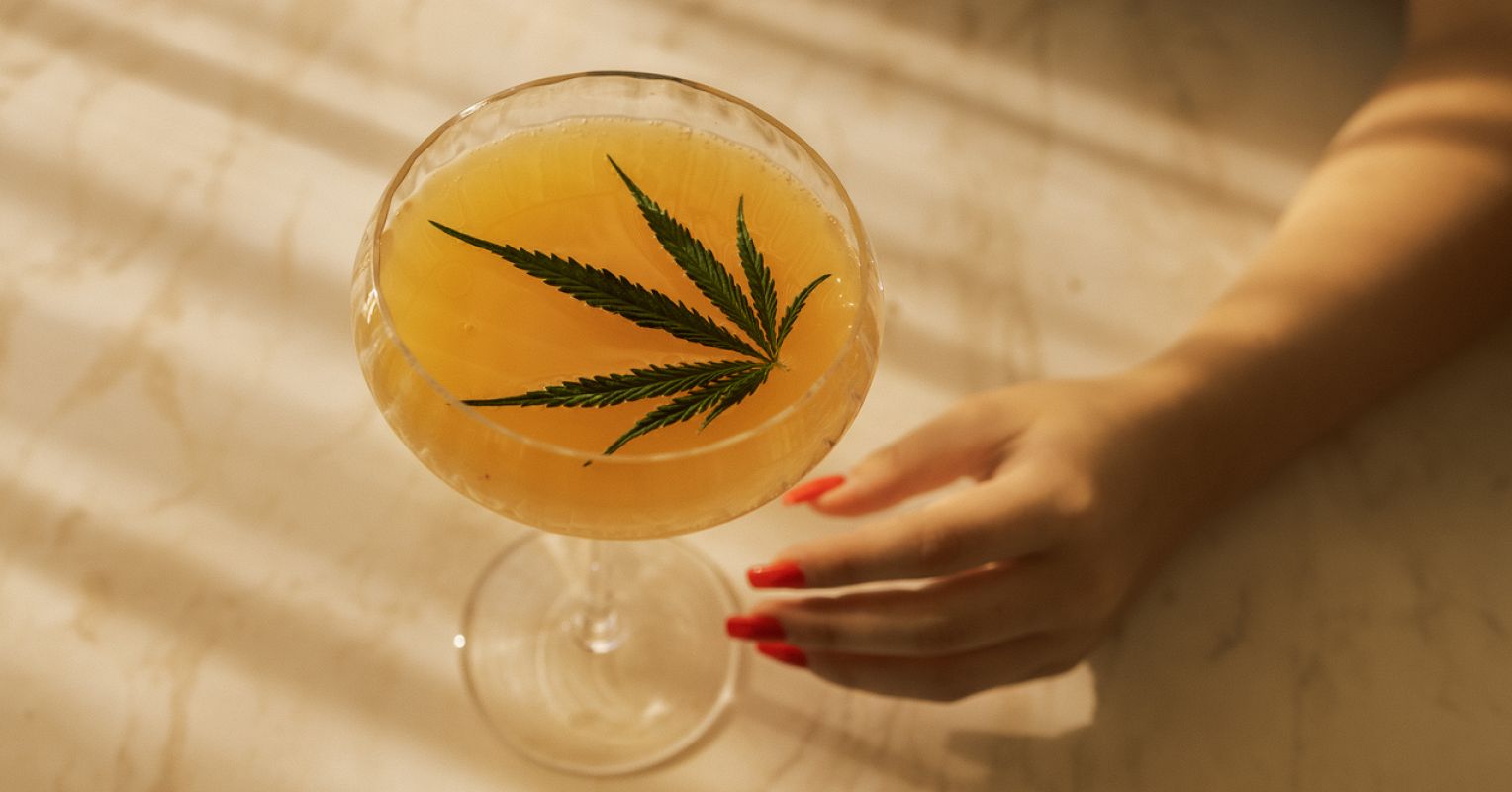
"Consumer enthusiasm is growing for drinks infused with cannabis, primarily Δ9-tetrahydrocannabinol (THC). The cannabis products are marketed as "better for you," without hangovers, with fewer calories or less intoxication (depending on dosage). As I have noted earlier, Gen Z and millennials are using less alcohol and more cannabis, often edibles. Some commentators describe this cultural shift as the adoption of the "California sober" mindset-consuming cannabis or THC-infused beverages rather than alcohol."
"In states where hemp-derived THC is loosely regulated, consumption of THC beverages, including seltzers and "hemp elixirs," has rapidly increased. Major cannabis companies launched THC drink lines, promoting them as modern alternatives to alcohol and targeting consumers cutting back on drinking or who no longer drink at all. While the focus has been on Gen Z and millennials, more recently, some baby boomers are also switching to cannabis from alcohol, because of recent studies challenging decades of alcohol benefits and raising alarm over drinking."
Adult alcohol consumption in the United States has declined since 2010 and the decline is accelerating as consumers shift toward cannabis, THC, and cannabis-infused beverages. THC drinks are marketed as healthier alternatives, promising no hangovers, fewer calories, and controlled intoxication, and appeal strongly to Gen Z and millennials and increasingly to some baby boomers. Hemp-derived THC beverages proliferated where regulation was lax, prompting major cannabis companies to launch THC drink lines. High-potency servings—sometimes up to 100 mg THC per serving—have prompted regulatory concerns. A regulatory gray area under the 2018 Farm Bill enabled these products, but 2025 congressional legislation redefined hemp and will ban most hemp-derived THC products.
Read at Psychology Today
Unable to calculate read time
Collection
[
|
...
]