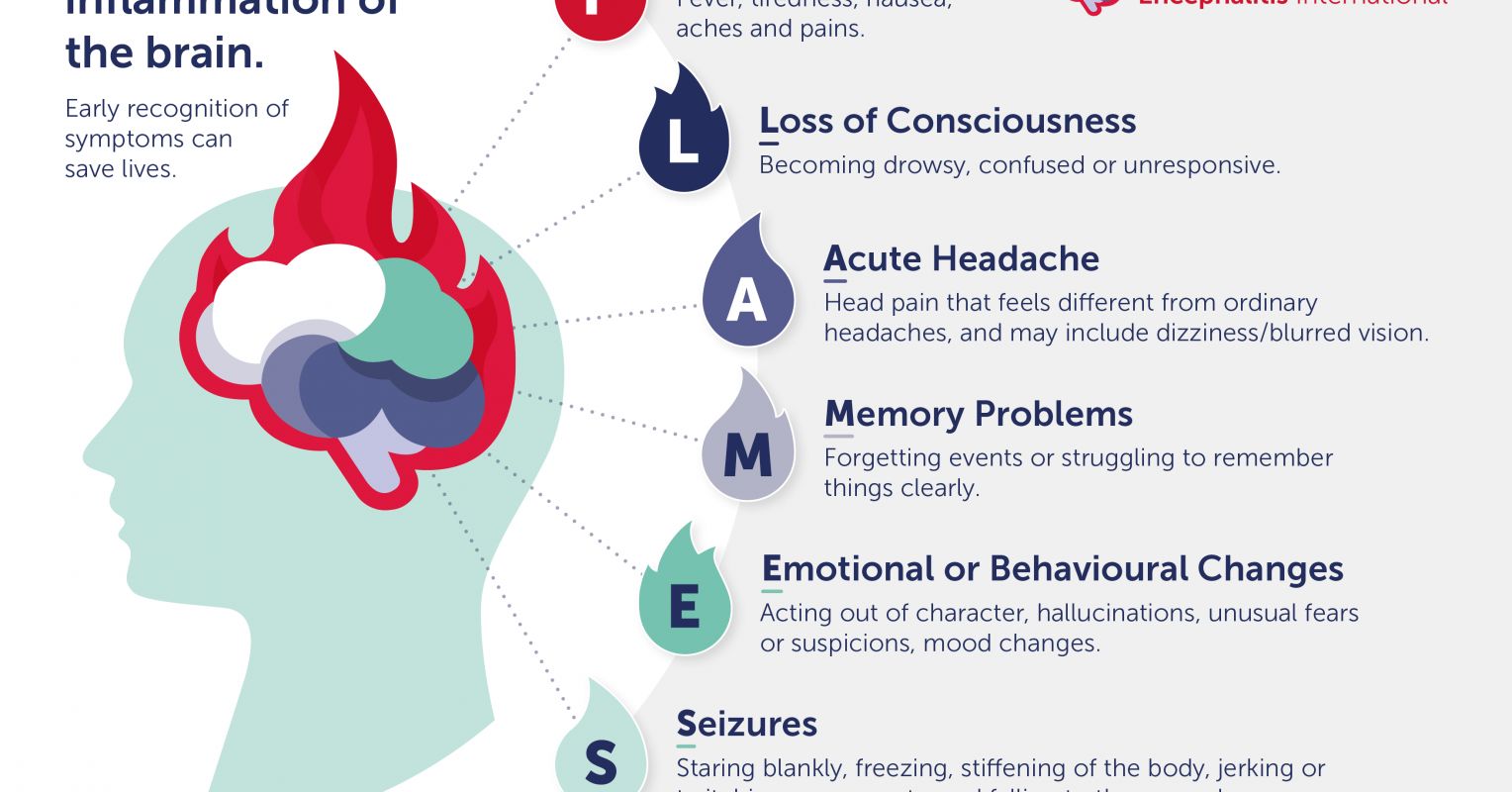
"What if the worst day of your life started with something utterly ordinary? A headache. A fever. A strange mood. Maybe someone you know seemed "not quite themselves." A little forgetful. Irritable. Confused. You might tell them to rest, drink fluids, and sleep it off. But what if those early signs weren't a virus you could shake off in a week?"
"Every 20 seconds, someone, somewhere in the world, is diagnosed with encephalitis: inflammation of the brain. It can be caused by infections or by the immune system going wrong and attacking the brain in error. Unfortunately, when diagnosis is delayed, the consequences can be devastating for people, including death and injury to the brain that can include cognitive, emotional, social, and physical changes that can be life-changing."
"In 2024, we surveyed 614 emergency medical professionals across India, the Philippines, the US, the UK, Germany, and Australia. Only a third strongly agreed that their training had given them confidence to recognise encephalitis. Two-thirds of emergency professionals surveyed did not feel fully confident identifying a potentially fatal brain condition early. This is not about blame. It simply reflects reality: encephalitis mimics other illnesses. It can look psychiatric, or like other infections, or like a stroke, among many other things."
Encephalitis is inflammation of the brain caused by infections or autoimmune reactions and can affect any age, gender, or country. Early symptoms are often vague—headache, fever, drowsiness, memory problems, mood changes, or unusual behaviour—so cases can be mistaken for viral illness, psychiatric conditions, stroke, or other infections. Delayed or missed diagnosis can lead to death or permanent cognitive, emotional, social, and physical impairments. Many frontline clinicians lack confidence recognising encephalitis early, and public awareness of the condition is low. Improved recognition and timely treatment are critical to reduce life-changing outcomes.
Read at Psychology Today
Unable to calculate read time
Collection
[
|
...
]