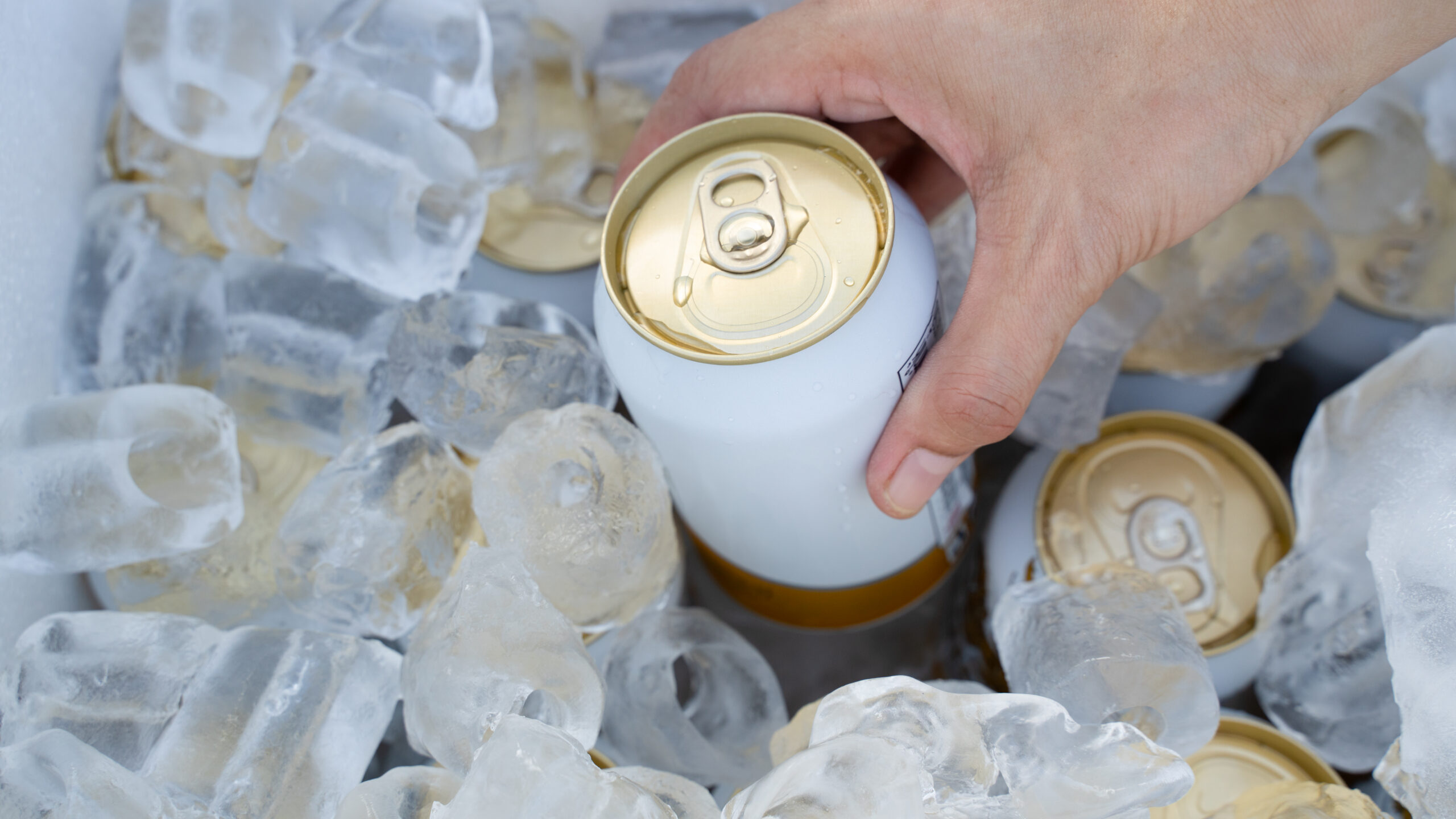
"After providing the chatbot with details of the outbreak, health investigators asked it several questions, including: "Will S. Agbeni grow in an improperly drained cooler?"; "Are any other sources, other than ice, likely if only canned beverages and no foods were available at this location?'; and "What examples of similar outbreaks have been documented in scientific literature?""
""AI was effective in this rural setting for rapid situational awareness," Houser wrote. However, she also acknowledged the potential concerns of using AI for outbreak investigations: "Given the inherent limitations of generative AI tools, including potential inaccuracies and lack of source transparency, all AI-generated summaries were critically reviewed and validated against primary literature before incorporation.""
During a county fair outbreak investigation, health officials discovered beer-tent workers were reluctant to provide details about food handling practices. One worker revealed that leftover food had been stored in a cooler overnight. Officials hypothesized Salmonella contaminated the cooler and spread to canned beverages. With the cooler unavailable for direct investigation, they consulted ChatGPT, asking questions about Salmonella growth conditions, alternative contamination sources, and similar documented outbreaks. The chatbot confirmed the cooler as a credible outbreak source. Officials implemented new sanitation protocols based on this conclusion. While acknowledging AI's value for rapid assessment in rural settings, the health official noted that all AI-generated information required critical review and validation against primary scientific literature due to potential inaccuracies and lack of source transparency.
#ai-in-public-health #disease-outbreak-investigation #salmonella-contamination #chatgpt-application #food-safety
Read at Ars Technica
Unable to calculate read time
Collection
[
|
...
]