Everyday routines often pair beauty items with sexual-health supplies, reflecting a cultural shift that treats both as forms of self-care. Activists, educators, and artists contributed to the alignment of beauty and sex-education practices over recent decades. MAC Cosmetics' Viva Glam launched in 1994 as an early charitable response to the HIV/AIDS epidemic and connected product sales to aid efforts. Many modern beauty brands fund mainstream causes such as clean water, breast cancer, and child welfare. However, numerous brands still avoid sustained stances on more controversial social or political issues.
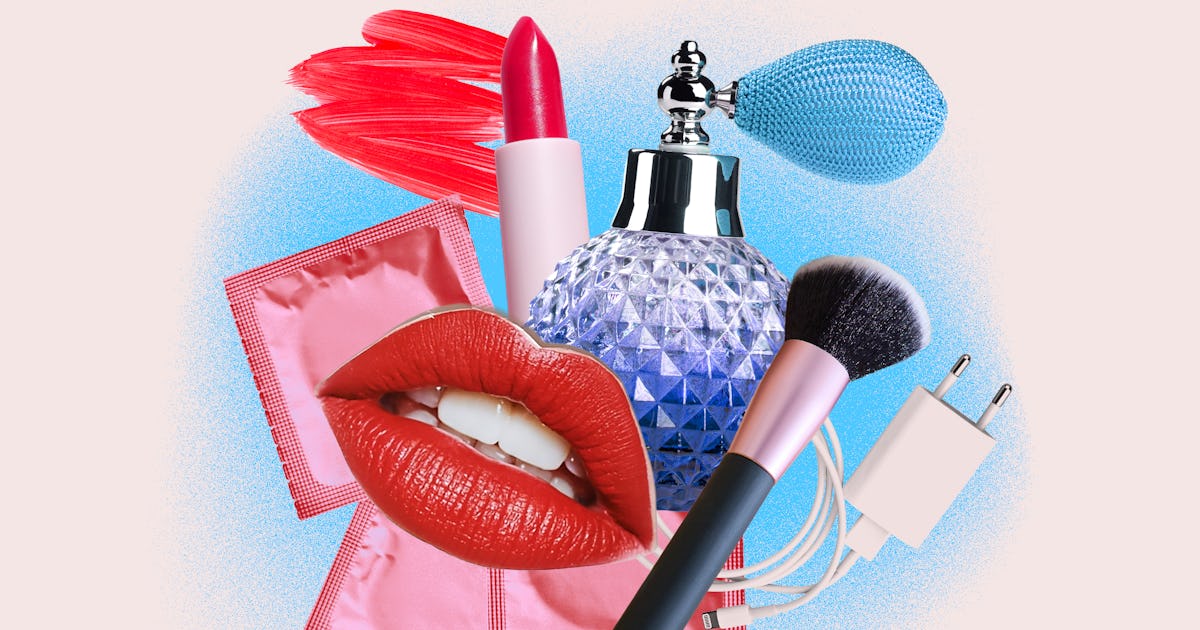
"Picture this: You're getting ready for a night out, running 10 minutes behind (as usual), and putting the finishing touches on your makeup before you call your Uber. But before you go, it's time to stash essentials in your purse, like your lipstick, phone charger, condoms, perfume rollerball, and keys. For most, these are the must-haves, and for good reason: They help you feel confident and prepared - after all, keeping your lip color fresh should feel just as routine as taking care of your sexual health."
"But such alignment of beauty and sex education is a relatively recent development that has only emerged over the last few decades, thanks in part to work put in by activists, educators, and artists. MAC Cosmetics' Viva Glam initiative, in particular, has been a pioneer in this sort of thinking, existing at the intersection of beauty and activism - including causes that extend far beyond sex education."
"Skin care brands put a portion of sale profits toward clean water, makeup behemoths support breast cancer awareness, and hair care staples help support global aid for children - all causes that most people would support. But brand backing still often disappears when it comes to taking on more controversial topics. "What beauty brands are taking meaningful stances that exist outside the constraints of tiles on their Instagram pages, or denouncing glaringly obvious morally reprehensible headlines?" says beauty creator and model Nykita Joy."
Read at Bustle
Unable to calculate read time
Collection
[
|
...
]