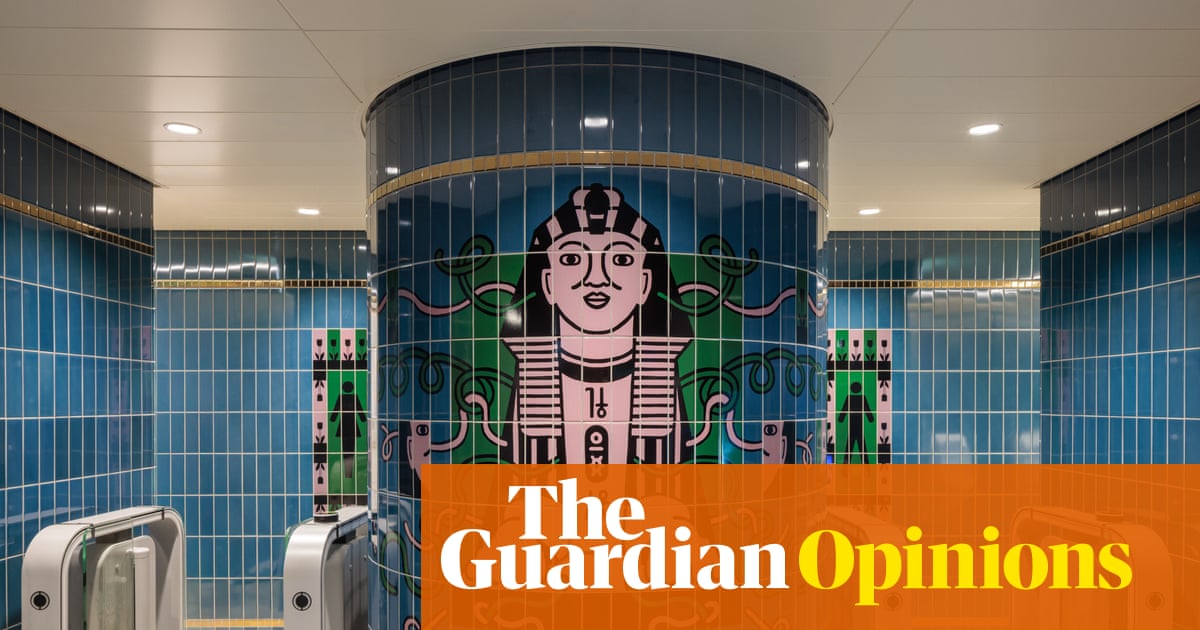
Public toilet provision in UK cities has fallen sharply, with the British Toilet Association reporting that 40% of public toilets have closed since 2000. Victorian facilities, often solidly built and centrally located, attract developers and are frequently converted into bars or shops when councils cannot afford upkeep. A new wave of architects is reframing public toilets as civic, sometimes luxurious, amenities, emphasizing accessibility and modernized technologies. Innovative councils and government grants, including backing from the Department for Levelling Up's Future High Streets Fund, have supported projects such as Studio Weave's new buildings in Woolwich and Maida Hill, aided by public consultation.
"It's hard to think of two more fundamental social needs than a) not being forced to relieve yourself on the street and b) not having other people relieve themselves on the street yet the public toilet is an ignored and vanishing public amenity. The British Toilet Association reports that 40% of public toilets have closed since 2000 Victorian facilities in particular attract developers, not least because their dignified buildings endure: solidly built, centrally located and still embedded in the daily flow of the city."
"They are supported by innovative councils and, sometimes, government grants. This may mark the start of a trend, driven by a convergence of conditions: growing public attention to access, the clear scarcity of toilet provision and a renewed sense of purpose within local authorities. These architects are emphasising not only public toilets' necessity, but also the potential for public luxury. Old technologies to suit a modern world.'"
Read at www.theguardian.com
Unable to calculate read time
Collection
[
|
...
]