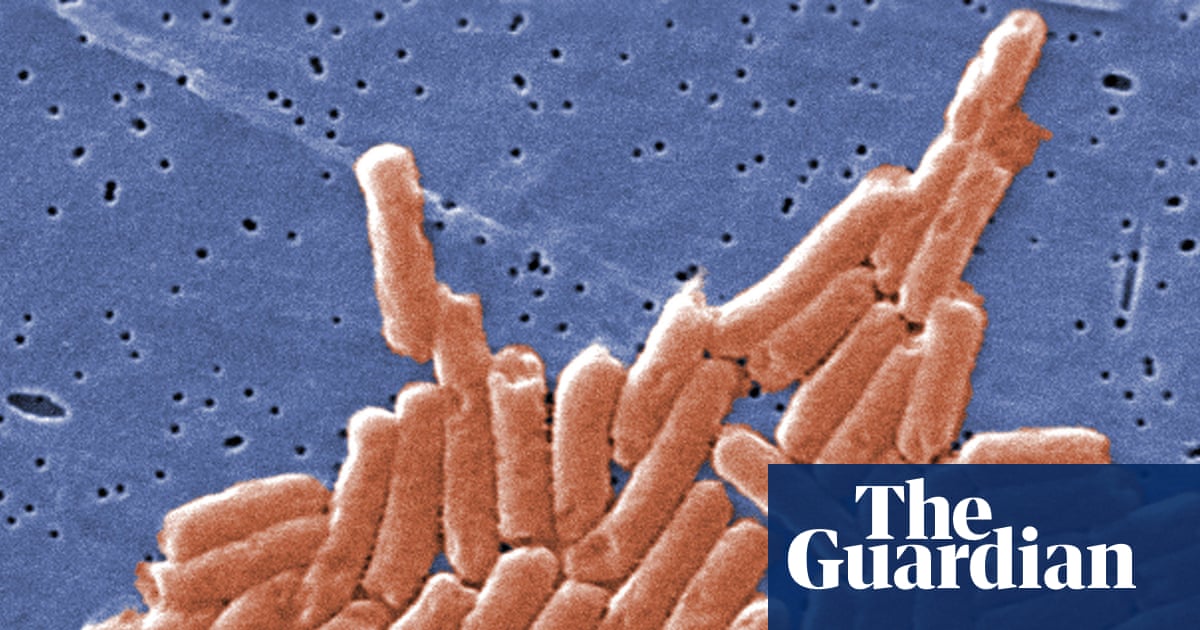
Antibiotic resistance is accelerating globally and threatens human health, with estimates indicating it kills more than 1 million people each year. Rising antibiotic-resistant genes in salmonella signal growing risk from one of the most common bacterial diseases. A study using data from multiple countries finds climate change is associated with a 10% global increase in salmonella antibiotic resistance genes between 1940 and 2023. Misuse and overuse of antibiotics remain the main drivers, but climate change worsens the problem. Higher temperatures and altered precipitation patterns amplify the abundance and spread of antimicrobial resistance genes in bacterial pathogens. Climate change also disrupts microbial ecological stability across human, animal, and environmental reservoirs. Urgent climate mitigation, antimicrobial stewardship, and One Health surveillance are needed to reduce future burden.
"Climate change is associated with a 10% global increase in salmonella antibiotic resistance genes between 1940 and 2023, according to the first-of-its-kind study, which has been published in the Lancet Planetary Health journal. The main drivers of antibiotic resistance are still the misuse and overuse of antibiotics, which are used to treat infections. But the research suggested the problem is being worsened by climate change."
"The accumulated evidence suggests that climate change is an accelerating force behind the global spread of antimicrobial resistance, the study authors wrote. Our findings provide supporting evidence that rising temperatures and altered precipitation patterns non-linearly amplify the abundance and dissemination of antimicrobial resistance genes in bacterial pathogens such as salmonella."
"These findings reinforce the idea that climate change alters microbial ecological stability and accelerates resistance evolution across human, animal, and environmental reservoirs. Urgent integration of climate change-mitigation policies, particularly those aligned with the Paris agreement with enhanced antimicrobial stewardship and One Health surveillance is essential to curtail the future burden of antimicrobial resistance."
"Antibiotic resistance is one of the fastest-growing threats to global health. It can affect people of any age in any country and already kills more than 1 million people a year, according to estimates. Figures show a rise in salmonella antibiotic resistant genes."
#antibiotic-resistance #climate-change #salmonella #antimicrobial-stewardship #one-health-surveillance
Read at www.theguardian.com
Unable to calculate read time
Collection
[
|
...
]