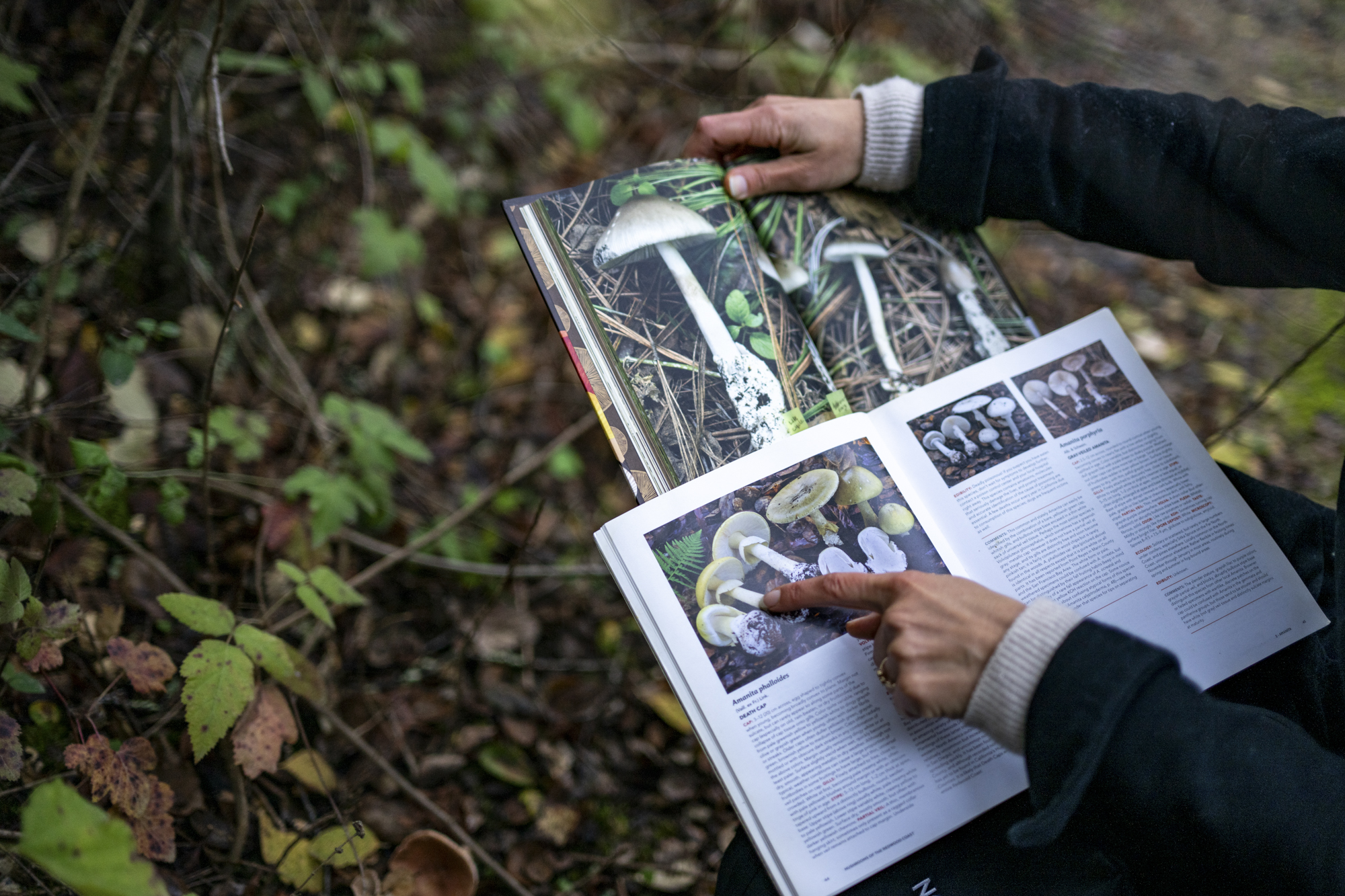
State health officials issued a second-season warning to avoid mushroom foraging as illnesses and deaths from death cap (Amanita phalloides) mushrooms increase to unprecedented highs. Immigrants from Mexico and China account for a disproportionate share of cases because death caps resemble edible species from those countries. The California Department of Public Health distributed multilingual fact sheets and videos, including materials in Mixteco. Cases have led to hospital treatments across the Bay Area and beyond, and some dogs have died. Local mycological groups criticized the state’s narrow, fear-based messaging and urged greater education, noting that touching, smelling and observing mushrooms is safe.
"Immigrants from Mexico and China make up a disproportionate number of the cases, as death caps, or Amanita phalloides, look very similar to edible mushrooms that grow in those countries. The California Department of Public Health released a series of fact sheets and videos on Wednesday in multiple languages, including Mixteco, an indigenous language of Mexico spoken by communities in Monterey County, where the first poisonings emerged in November."
"Since then, people have been treated in hospitals throughout the Bay Area, though Smollin said that they grow along the West Coast and that no part of California is a death cap-free zone. Some dogs have also died. Local mushroom experts and enthusiasts have bemoaned the state's messaging around the poisonings as narrow and fear-based. Many would prefer to see an emphasis on education, rather than a prohibition on all foraging, and point out that touching, smelling and looking at mushrooms is safe."
Read at Kqed
Unable to calculate read time
Collection
[
|
...
]