#mushroom-poisoning
#mushroom-poisoning
[ follow ]
#public-health #death-cap #foraging-safety #erin-patterson #death-cap-mushrooms #amanita-phalloides #california

Public health
fromwww.theguardian.com
6 days agoThree more people sick in California amid unprecedented outbreak' due to toxic mushrooms
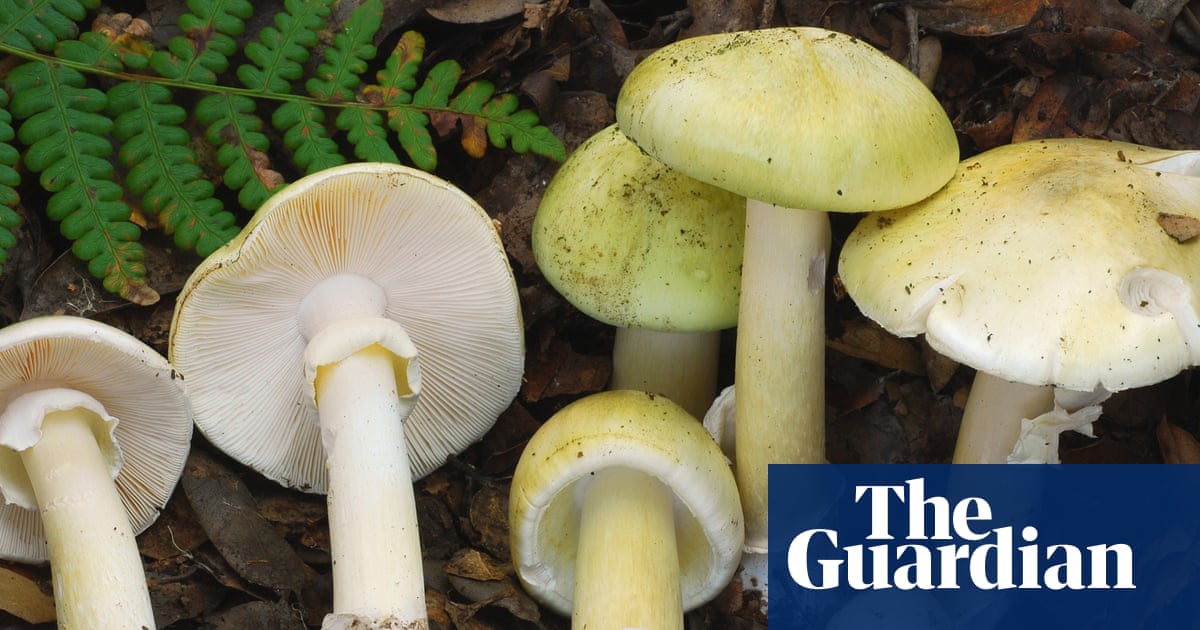
Poisonous wild mushrooms in California have caused dozens of poisonings, including deaths and liver transplants, prompting warnings to avoid foraging and eating any wild mushrooms.




fromLos Angeles Times
3 months agoCalifornia mushroom poisonings are on the rise. Here's what's being done to curb exposure
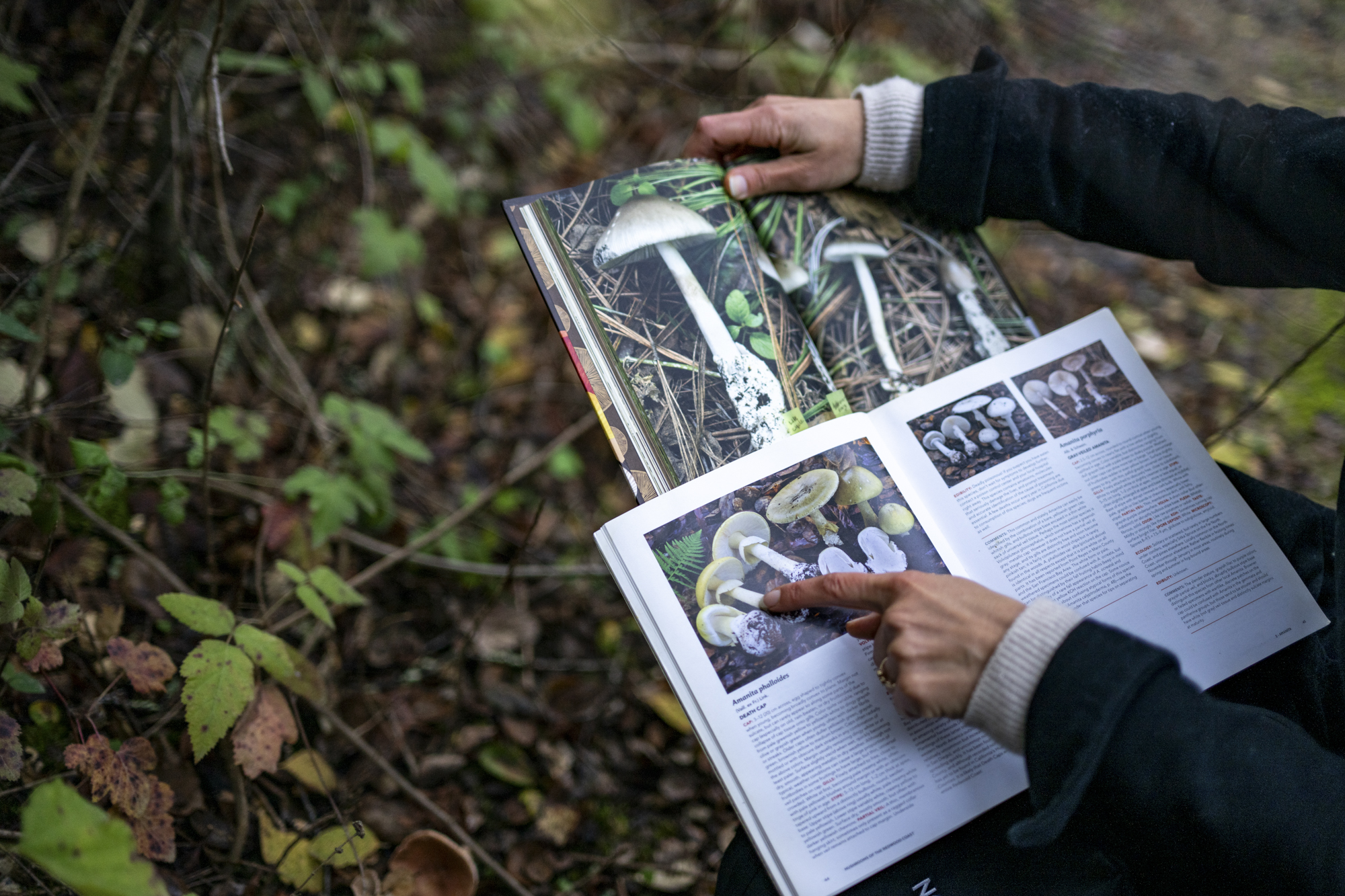
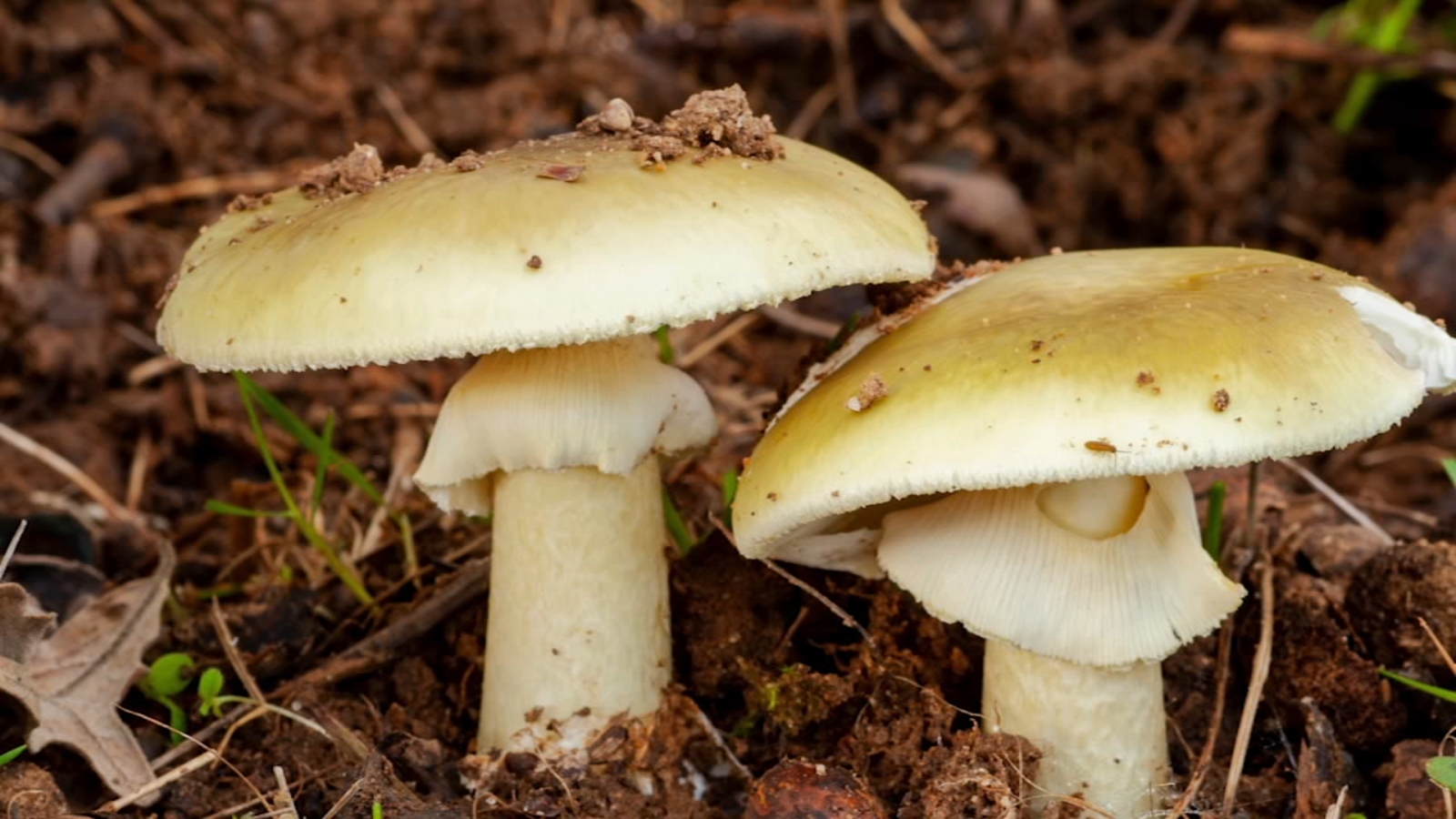
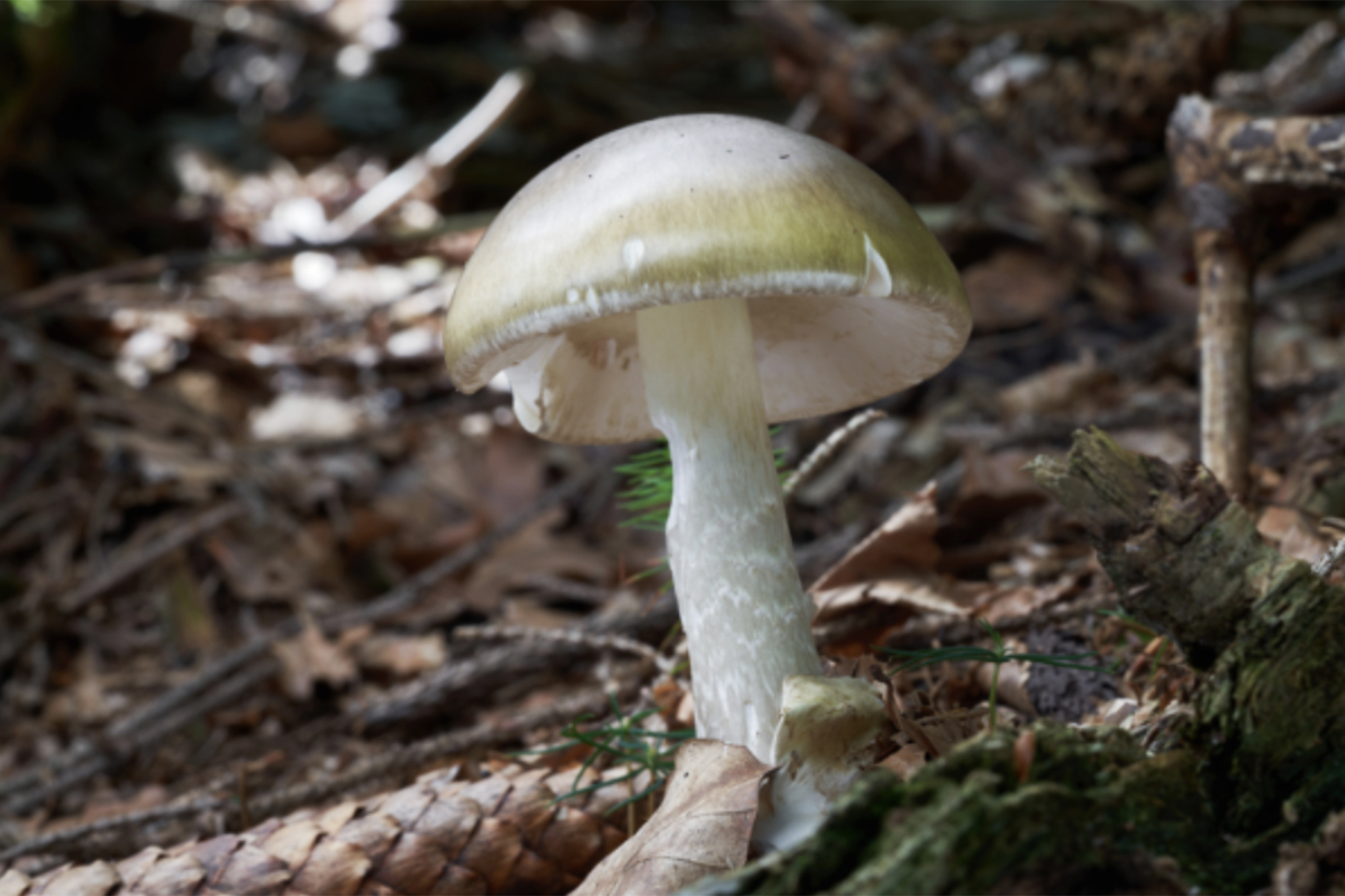
But after hearing about recent illnesses and fatalities related to the death cap mushroom, Amanita phalloides, in California, Yturralde and several others who gathered in the Environmental Nature Center's conference room sought answers about which mushrooms in the area are deadly. In the past three months, California has seen a sudden uptick in the number of people becoming sickened and dying after accidentally eating poisonous mushrooms found in the wild.
Public health

fromJezebel
4 months agoA Climate Change Threat You Wouldn't Expect: Death by Mushroom Poisoning
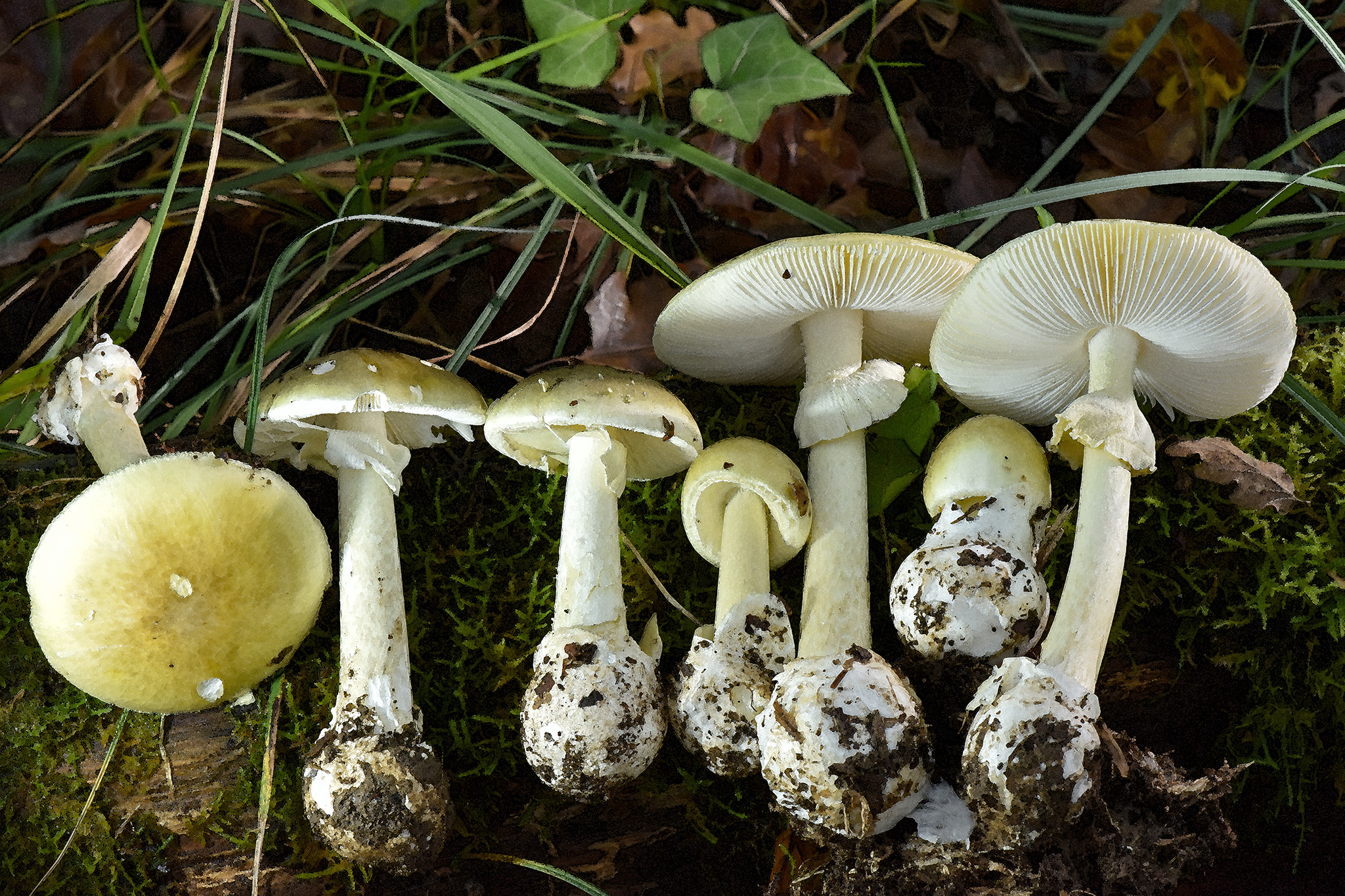
The fact of the matter is, the ones that add a nice earthiness to a pasta cream sauce look entirely too similar to the ones that leave you curled up and dying in agony for me to trust any forager's eye test, a point driven home by California's ongoing epidemic/outbreak of mushroom poisoning cases, which in less than two months has left three dozen people sickened and resulted in multiple fatalities.
Public health
fromKqed
4 months agoHealth Officials Work To Combat Mushroom Poisoning Outbreak | KQED
Local mushroom experts and enthusiasts have bemoaned the state's messaging around the poisonings as narrow and fear-based. Many would prefer to see an emphasis on education, rather than a prohibition on all foraging, and point out that touching, smelling and looking at mushrooms is safe. "There's a lot more nuance," said Debbie Viess, co-founder of the Bay Area Mycological Society. "It's much more important to steer people to places where they can educate themselves about the safety and the dangers of eating wild mushrooms."
US politics


UK news
fromwww.theguardian.com
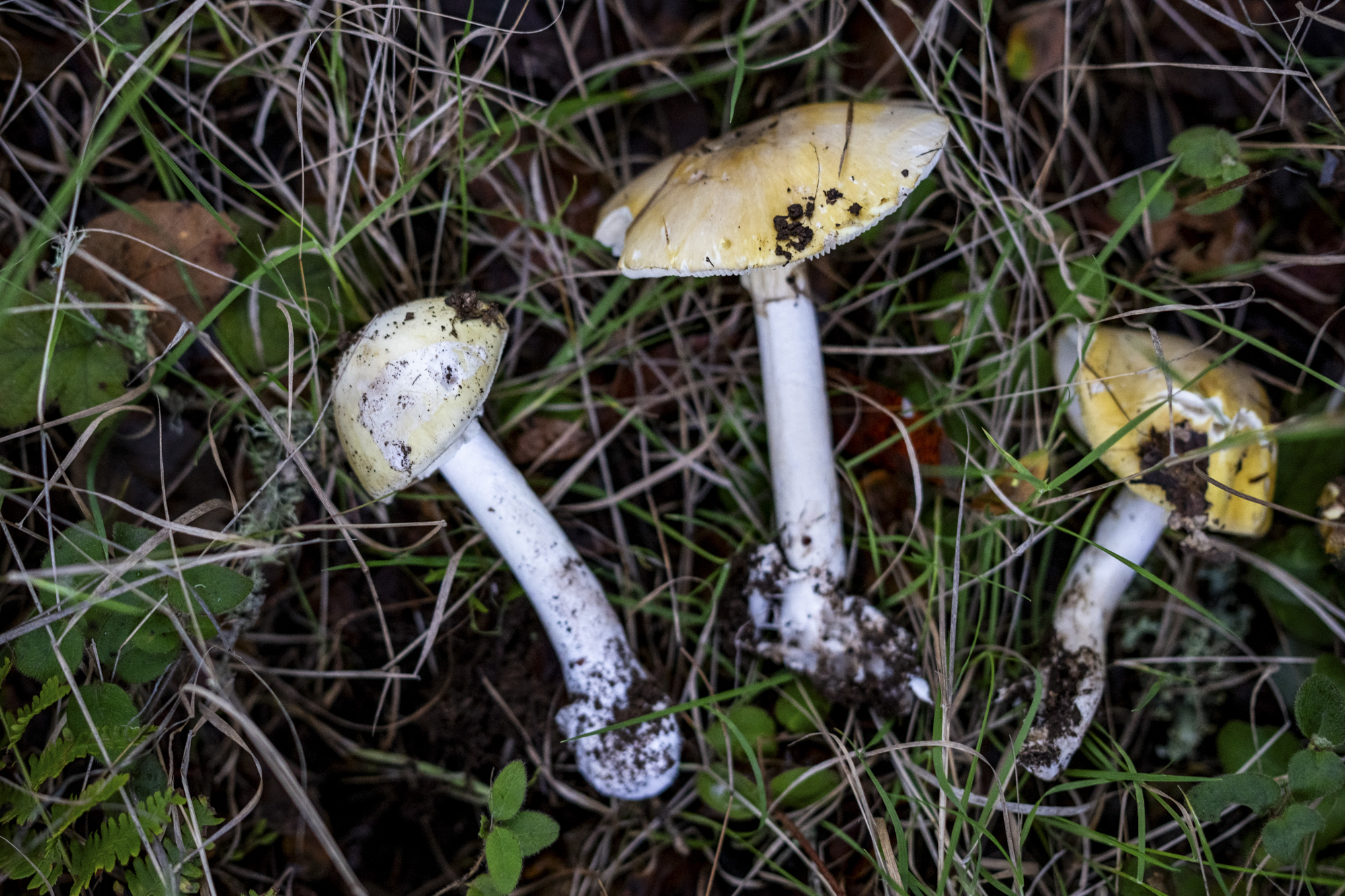
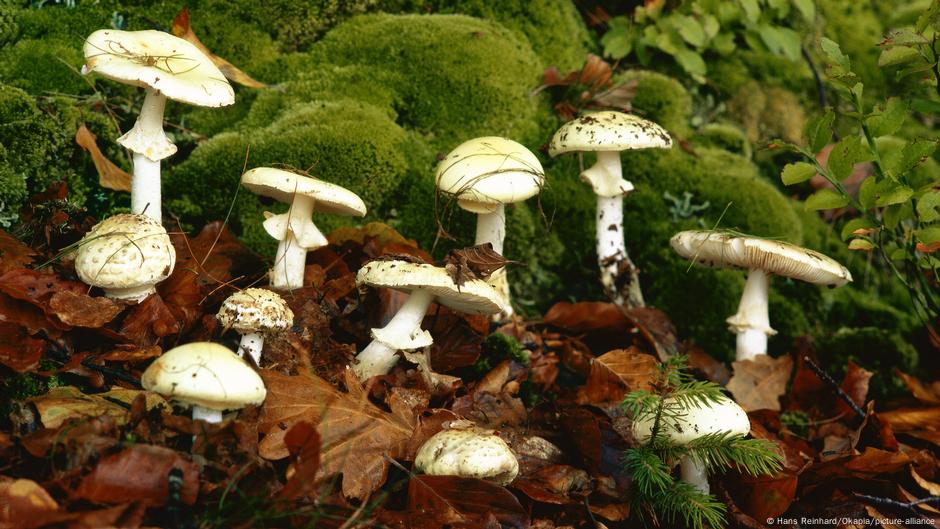
1 year agoErin Patterson discharged herself five minutes after doctor warned she may have death cap mushroom poisoning, court hears
Erin Patterson discharged herself from the hospital after a suspected mushroom poisoning, despite warnings from a doctor about potential fatal risks.
[ Load more ]