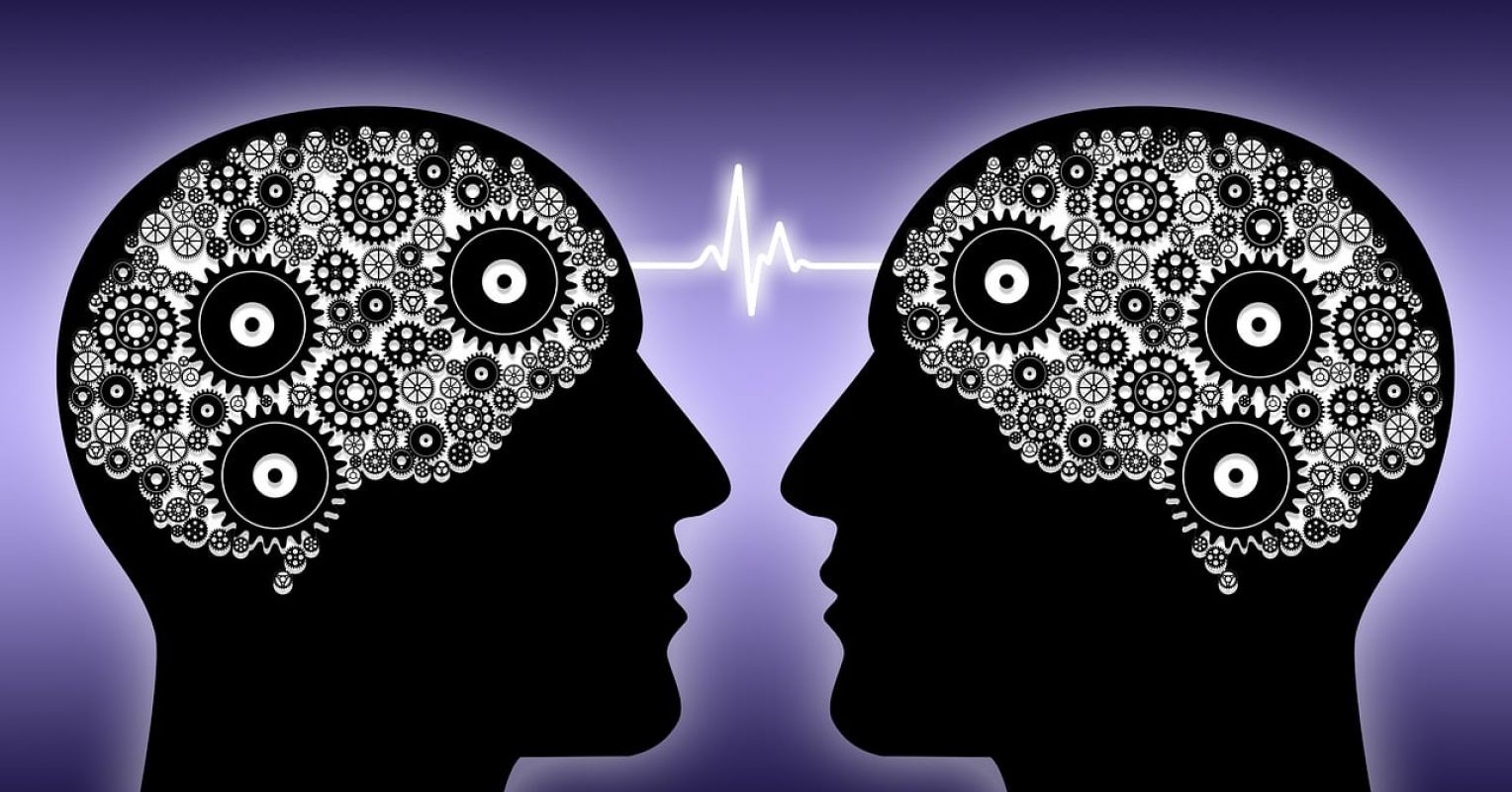
"At any point in the communication chain between two brains, things can go wrong, causing suffering. We experience this in our daily lives and see it play out on the world stage. As Khalil Gibran once wrote, "Between what is said and not meant, and what is meant and not said, most of love is lost." Schilbach encounters echoes of this "lost love" in his psychotherapy practice, where he helps clients revisit and mend fragments of past miscommunication."
"He has become more cautious and conservative, he says, seeking feedback from others to ensure that communication has truly been successful. He has also come to deeply value small encounters. The brain expects connection, Schilbach explains. And it is wired to reward it. Meaningful connection doesn't always require long or profound conversations. Our brains also relish brief moments of shared experience: being seen, being responded to, feeling acknowledged."
Human social interaction is complex and multilayered, and people often overestimate mutual understanding. Research in second-person neuroscience investigates behavioral and neural mechanisms of real-time social interaction within a single brain and across interacting brains. Miscommunication can occur at any point in the communication chain between brains and often causes suffering, both personally and societally. Psychotherapeutic work can help revisit and mend past miscommunications. Awareness of social neuroscience findings can make individuals more cautious, prompt them to seek feedback, and increase appreciation for brief, meaningful encounters. The brain expects connection and is wired to reward joint attention, acknowledgment, and shared moments.
Read at Psychology Today
Unable to calculate read time
Collection
[
|
...
]