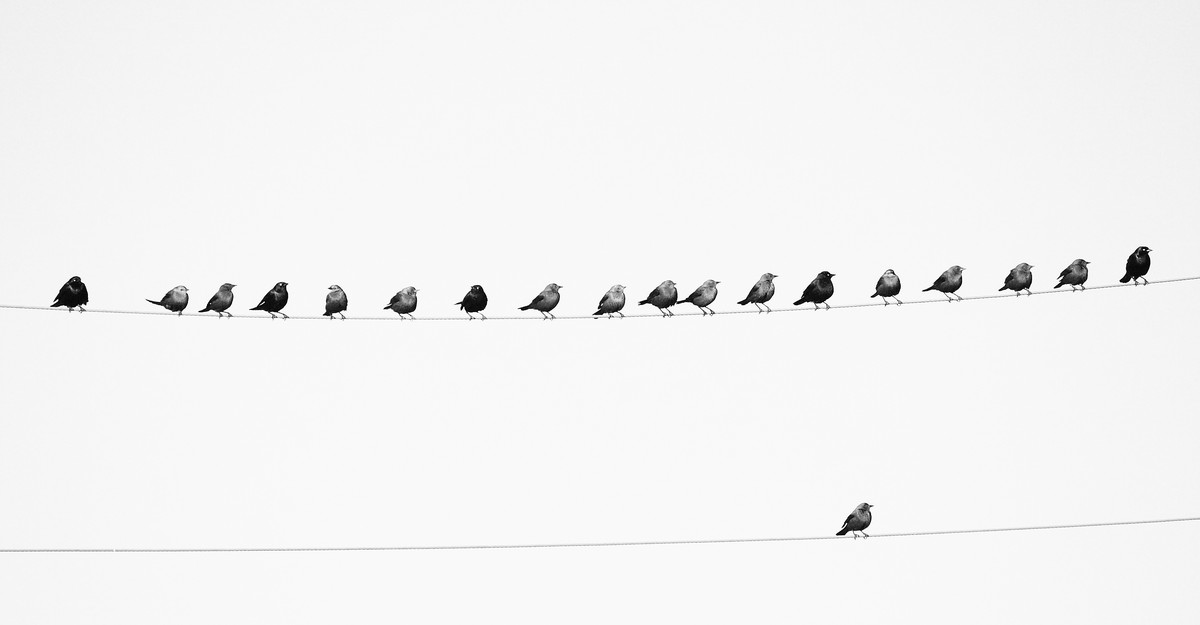
"In 2022, Arthur C. Brooks argued that being an outsider-new to a place, a job, a culture, or even a group of people-is not a flaw but an investment. The loneliness, the self-doubt, the sense that everyone else has the map except you: Those are often signs that you're stretching, not failing. Over time, Brooks writes, outsiders tend to grow more resilient and emotionally strong-not in spite of the discomfort, but because of it."
"Outsiders, Olga Khazan wrote in 2020, are freer to question assumptions, break rules, and imagine alternatives, because they've already learned what it feels like to stand apart. She draws on social-science research showing that people who feel excluded are often better at original thinking, precisely because they're less bound by group norms. Today's newsletter explores how to embrace being an outsider, and how to resist the urge to immediately fit in."
"Some people spend a lot of energy trying not to feel out of place. You learn the rules, blend in, and aim to belong. But what if resisting that uncomfortable feeling is a mistake? In 2022, Arthur C. Brooks argued that being an outsider-new to a place, a job, a culture, or even a group of people-is not a flaw but an investment."
Feeling out of place often signals a period of growth rather than failure. Loneliness, self-doubt, and the sense that everyone else has the map can indicate that a person is stretching into new roles or environments. Enduring that discomfort builds resilience and emotional strength over time. Experiencing exclusion can free people to question assumptions, break rules, and imagine alternatives. Social‑science research links exclusion to increased originality because of weaker adherence to group norms. Psychological well‑being benefits from balancing acceptance of current traits with striving toward desired change. Embracing outsider experiences can foster creativity and personal development.
Read at The Atlantic
Unable to calculate read time
Collection
[
|
...
]