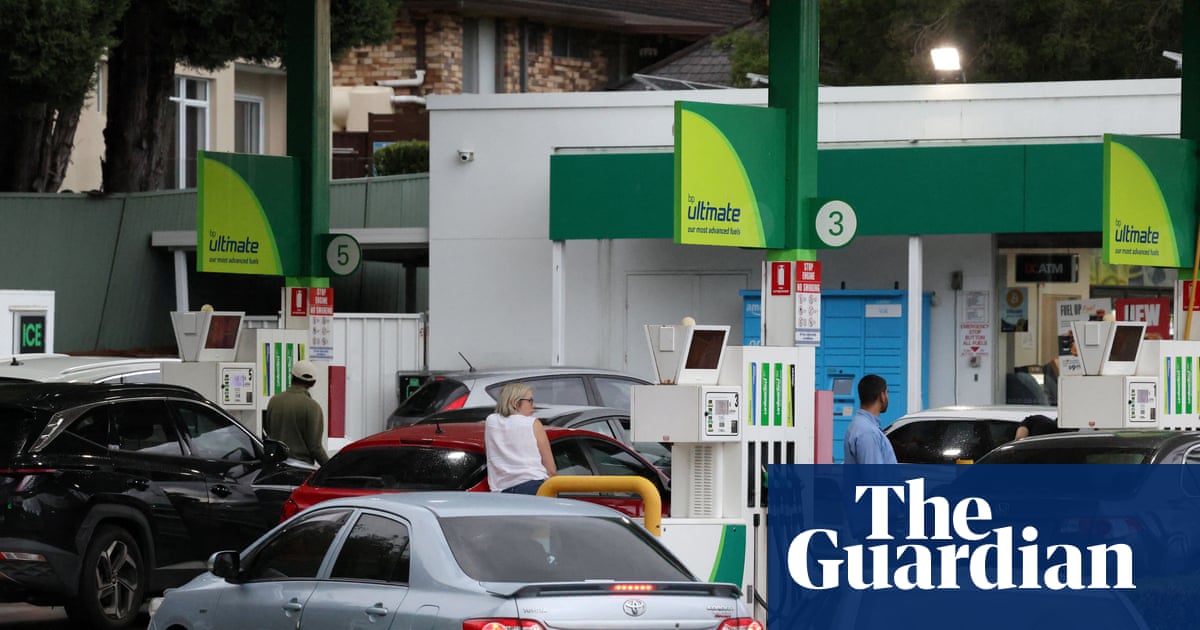
Panic buying has been a recurring response to perceived shortages throughout history, from the 1973 oil crisis to the Covid-19 pandemic. Johnny Carson's joke about toilet paper in 1973 triggered real shortages, illustrating how rumors can lead to panic. The 1970s oil shocks prompted stockpiling of various goods, while the Cuban missile crisis saw families hoarding supplies. Psychological and circumstantial factors drive this behavior, and when scarcity is unfounded, panic buying can create the shortages it aims to prevent.
"Panic buying in times of crisis or natural disaster is well documented from the first and second world wars to shortages of food, medicine and hand sanitiser during Covid-19."
"Research points to a variety of factors both psychological and circumstantial that drive people to stockpile in times of perceived scarcity."
"When that feared scarcity is unfounded rather than genuine, panic buying can, in a self-fulfilling prophecy, create the very shortages the behaviour is intended to insulate against."
Read at www.theguardian.com
Unable to calculate read time
Collection
[
|
...
]