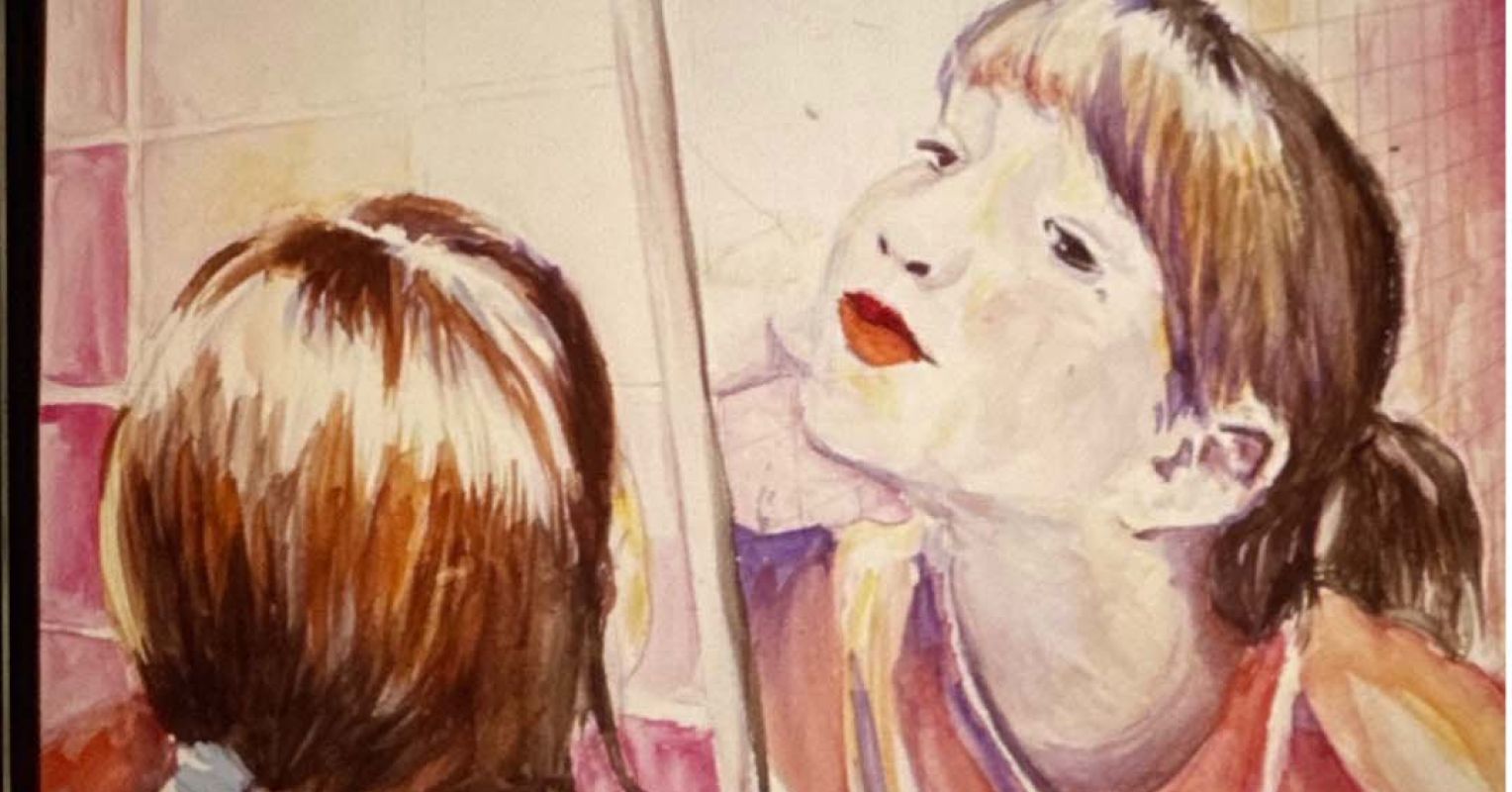
Physical attractiveness provides social advantages by influencing who people desire and by creating a “halo” effect that leads others to assume additional positive traits. Because of these benefits, people invest in appearance through temporary grooming, permanent procedures, fitness efforts, cosmetic interventions, and public or private beauty work. Societal expectations create a double bind around this effort. Too little beauty work can be read as failing to meet appearance standards, provoking disgust. Too much beauty work can be interpreted as inauthenticity or vanity. These conflicting expectations create tension, but there are ways to manage it.
"Physical attractiveness, with its broad social capital, gives us unmistakable advantages. It is a potent sorter of who ends up being with - or working for - whom. The target of Cupid's arrow, not only does physical attractiveness capture desire at "hello," but it also influences assumptions about other valued attributes - a "halo" effect. Skin deep? What is beautiful often seems good and even smart. The pixie dust of the "beauty premium" is hard to beat."
"And so it is that we put considerable effort into looking our best. Our mirror on the wall is a necessity and works overtime. Venturing out into public requires a certain amount of sprucing up, and for prime time, we must look our very best. Think of the many things people do to look better, from temporary efforts (make-up, hair pieces) to permanent changes (face lifts, hair implants); from "natural" work (visits to the gym) to artificial work (Botox); from public efforts (at salons and barber shops) to private behaviors (like surgery, sometimes in foreign countries)."
"But, as marketing researchers Rosanna Smith, Linyun Yang, and Adriana Samper explore in a recent review article, there is a "double bind" challenge connected to these efforts to look our best. They outline two appearance-related societal expectations that can operate in frequent, tense conflict with each other. First, there are societal pressures to meet acceptable standards of appearance, meaning that much of the "beauty work" that we"
Read at Psychology Today
Unable to calculate read time
Collection
[
|
...
]