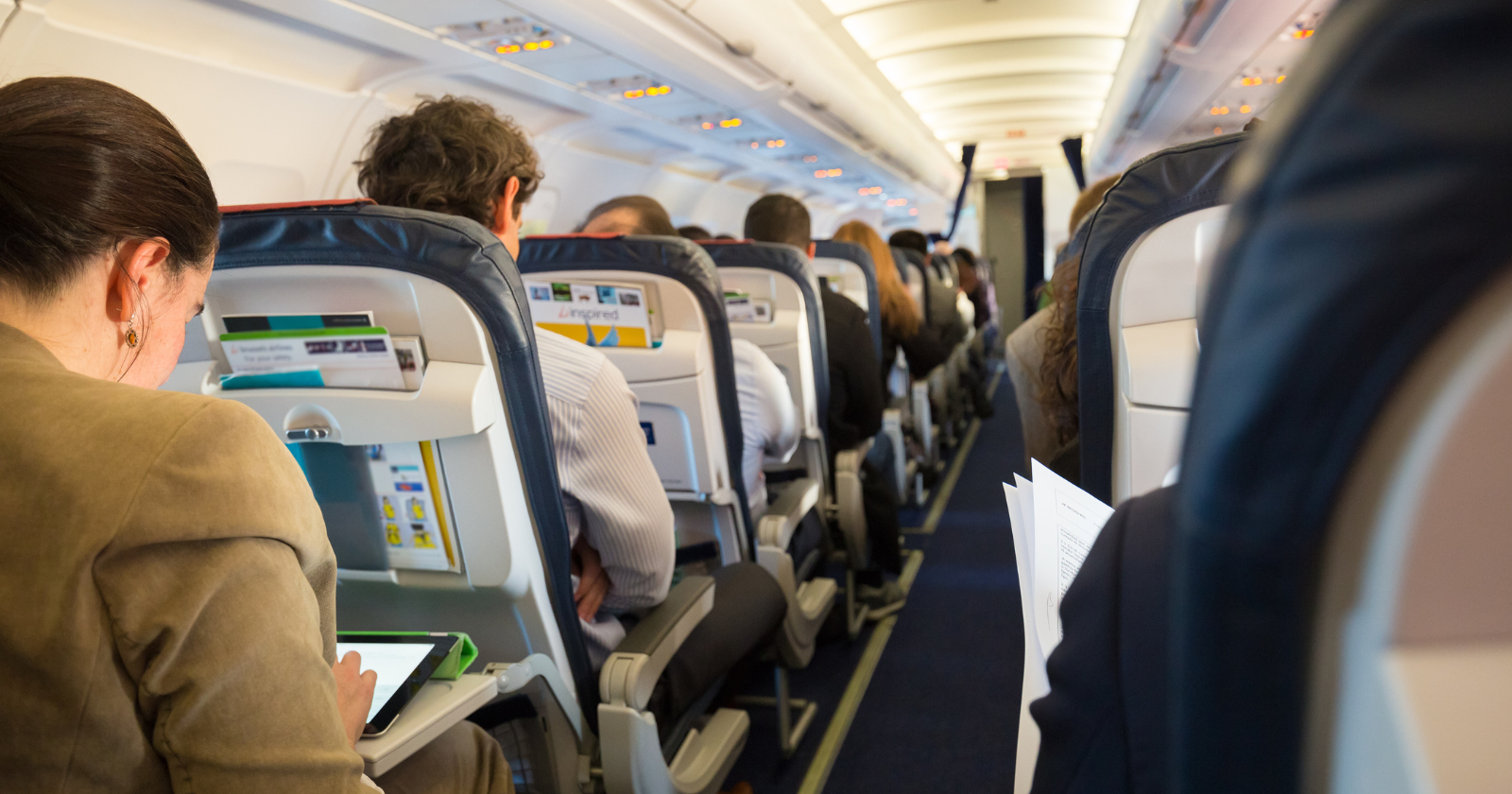
"The psychological certainty that you can move whenever your body needs to, without asking permission, without negotiation, without stepping over someone's sleeping legs, is termed autonomous exit. It reflects a self-regulation strategy disguised as convenience."
"Self-Determination Theory identifies three basic psychological needs for human wellbeing: autonomy, competence, and relatedness. Among these, autonomy is most directly addressed by the choice of seating arrangements."
"A meta-analysis of 51 studies involving more than 11,000 participants found a large and consistent negative correlation between perceived control and both trait anxiety and specific anxiety disorders."
People often choose seats that provide easy access to exits, such as aisle seats, due to a psychological need for autonomy. This behavior is linked to Self-Determination Theory, which emphasizes the importance of feeling in control of one's actions. Research indicates that a lack of perceived control can lead to increased anxiety. The preference for certain seating arrangements is not merely practical but also a self-regulation strategy that addresses deeper psychological needs for autonomy and personal agency.
Read at Silicon Canals
Unable to calculate read time
Collection
[
|
...
]