"We humans tend to live our lives in patterns, some of which can be healthy and others not so much. Individual acts and behaviors have their meaning or significance within patterns. Games are patterns: Throwing dice and moving little metal pieces around a piece of cardboard make little sense when taken on their own. However, when these things happen playing a board game such as Monopoly, they make sense and have meaning."
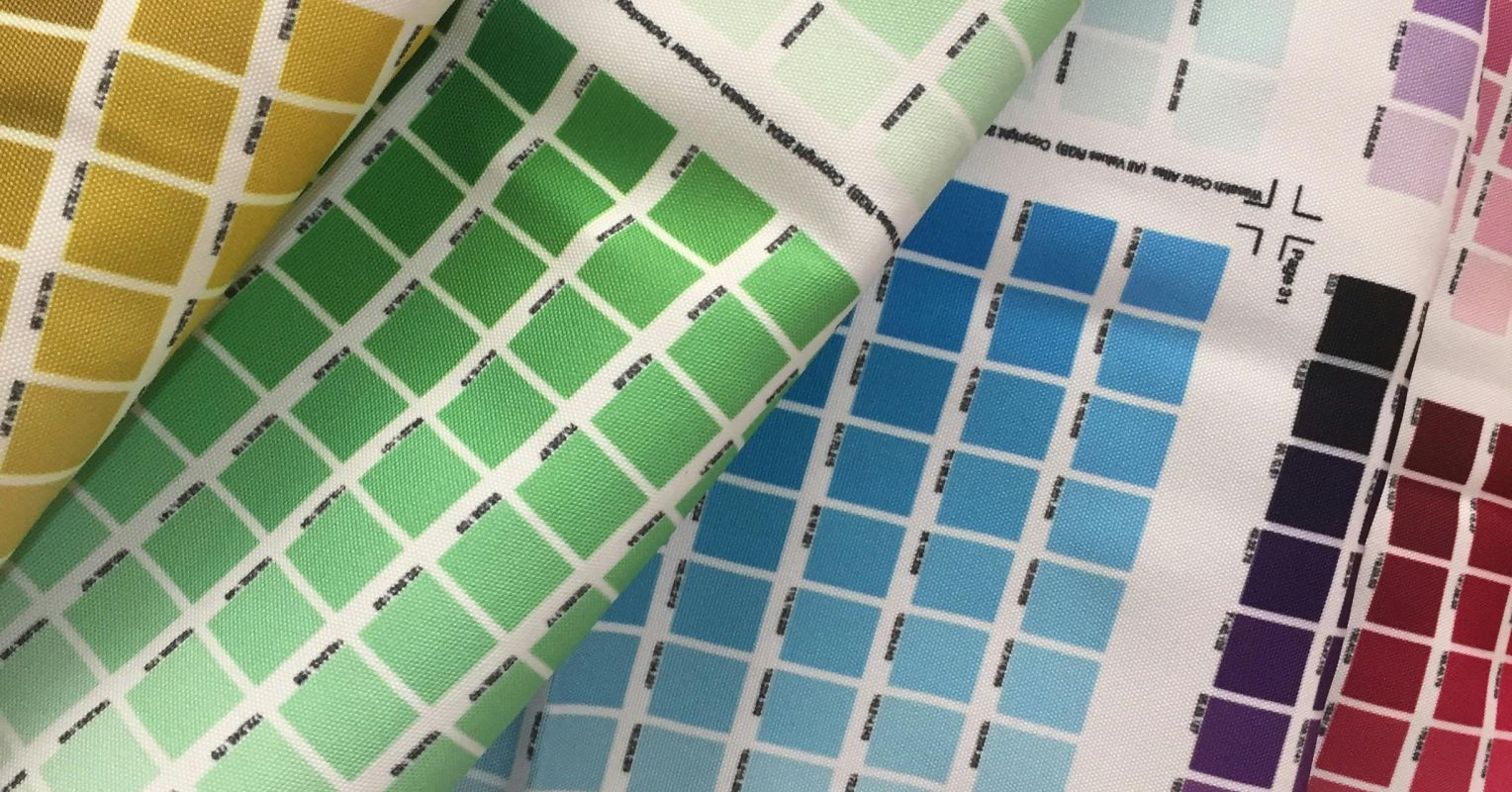
"A pattern is simultaneously: a repeating and regular way of something happening, such as entries in a bookkeeping ledger. an arrangement of lines and shapes, such as what appears in a fabric design. Think of plaid. a set of instructions for making something such as a dress. The pattern indicates what a person should do and in what order."
"Our daily living patterns become invisible to us because they are habitual and familiar. To us, they just seem normal and natural. Many of us have morning routines that we follow; these are patterns in the three senses above. They serve us well in much of our daily life because they enable us to do what needs to be done in an efficient way. It is only when something happens differently or goes wrong that the patterns become very clear."
"Patterns can be large and complex, such as how we socialize and connect with others. Some of those patterns involve when, where, how, and with whom we drink. For many, these patterns will not present problems. For some, the problems will become significant."
Humans live through patterns that give individual actions meaning and structure daily life. Patterns can be repeating routines, visual arrangements like fabric designs, or step-by-step instructions for making something. Daily patterns often become invisible because they are habitual and familiar, but they become clear when routines change or fail. Some patterns are large and complex, including social habits around when, where, how, and with whom people drink. For many, these patterns work without major harm, but for some they become significant. Addiction involves multiple crisscrossing patterns that restrict a person’s options, and recovery involves creating new patterns for living more healthfully.
Read at Psychology Today
Unable to calculate read time
Collection
[
|
...
]