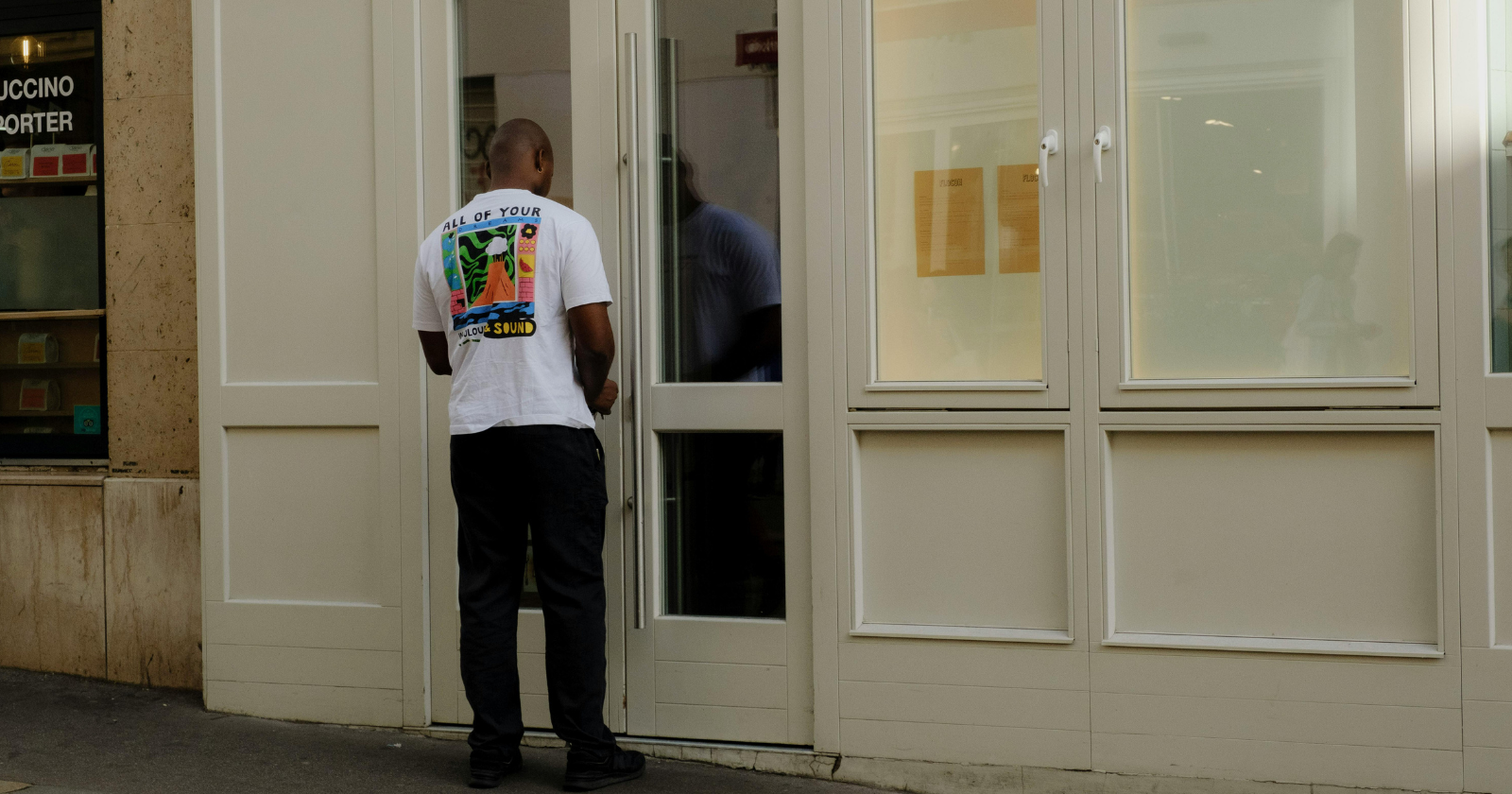
"You know you did-you always do-but the nagging feeling persists until you either circle back or spend the morning mentally retracing your steps. For years, I thought this was just my anxiety talking. Turns out, according to recent psychological research, this compulsive checking behavior might actually signal something entirely different: a collection of rare cognitive traits that most people don't possess."
"Have you ever noticed how you can spot when something's slightly off in a familiar room? That same mental wiring that makes you double-check the door lock is connected to an enhanced ability to recognize patterns and anomalies. According to research published in the Nature Scientific Reports, people who engage in checking behaviors often score higher on pattern recognition tests. Their brains are constantly scanning for deviations from the norm, which is why that unlocked door feeling hits so hard"
Compulsive checking behavior can reflect rare cognitive strengths rather than solely anxiety. Research at institutions like Yale and Cambridge found frequent checkers often show exceptional pattern recognition and heightened sensitivity to anomalies. Those individuals tend to constantly scan environments for deviations and score higher on pattern recognition tests. Advanced mental simulation abilities allow checkers to rehearse and evaluate possible scenarios, increasing perceived need to verify actions. Personal strategies like using a physical notebook can help leverage this hypervigilance to spot inconsistencies and logical gaps that others may miss.
Read at Silicon Canals
Unable to calculate read time
Collection
[
|
...
]