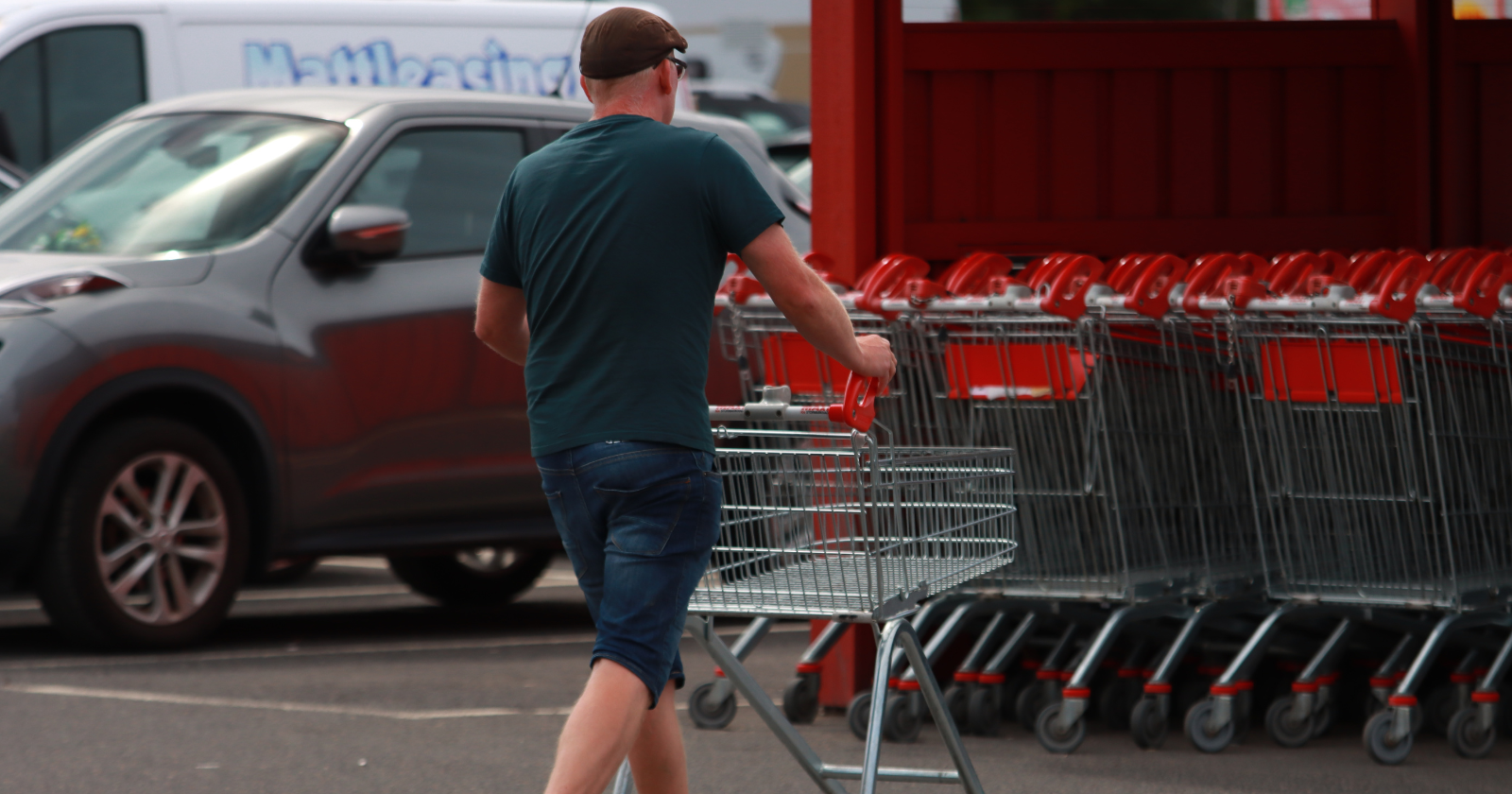
"You know that moment when you're loading groceries into your car and you see someone just leave their cart in an empty parking space? Or worse, watch it slowly roll toward someone's car? I've been thinking about this a lot lately, especially after watching a guy in the pouring rain push his cart all the way back to the corral. No one was watching. No reward waiting. Just him, getting soaked, doing what he thought was right."
"People who return their carts understand that their actions have consequences for others. That abandoned cart? Someone has to collect it. It might block a parking space. It could scratch a car. Cart-returners accept that the minor inconvenience to them prevents major headaches for others. This translates directly to how they treat people. They're the ones who clean up after themselves in the office kitchen. They respond to emails even when they're swamped. They show up for friends even when Netflix sounds way more appealing."
Returning a shopping cart functions as a simple, observable test of self-governance and consideration. People who routinely return carts accept small inconveniences to prevent problems for others, demonstrating awareness of consequences and social responsibility. These behaviors correlate with reliability in work and personal relationships: they clean up shared spaces, respond to obligations despite inconvenience, and show up for others. The act requires no external reward or punishment, so it reveals intrinsic values such as respect, follow-through, and empathy. Small, cost-free actions can therefore serve as signals of broader character traits and trustworthiness.
Read at Silicon Canals
Unable to calculate read time
Collection
[
|
...
]