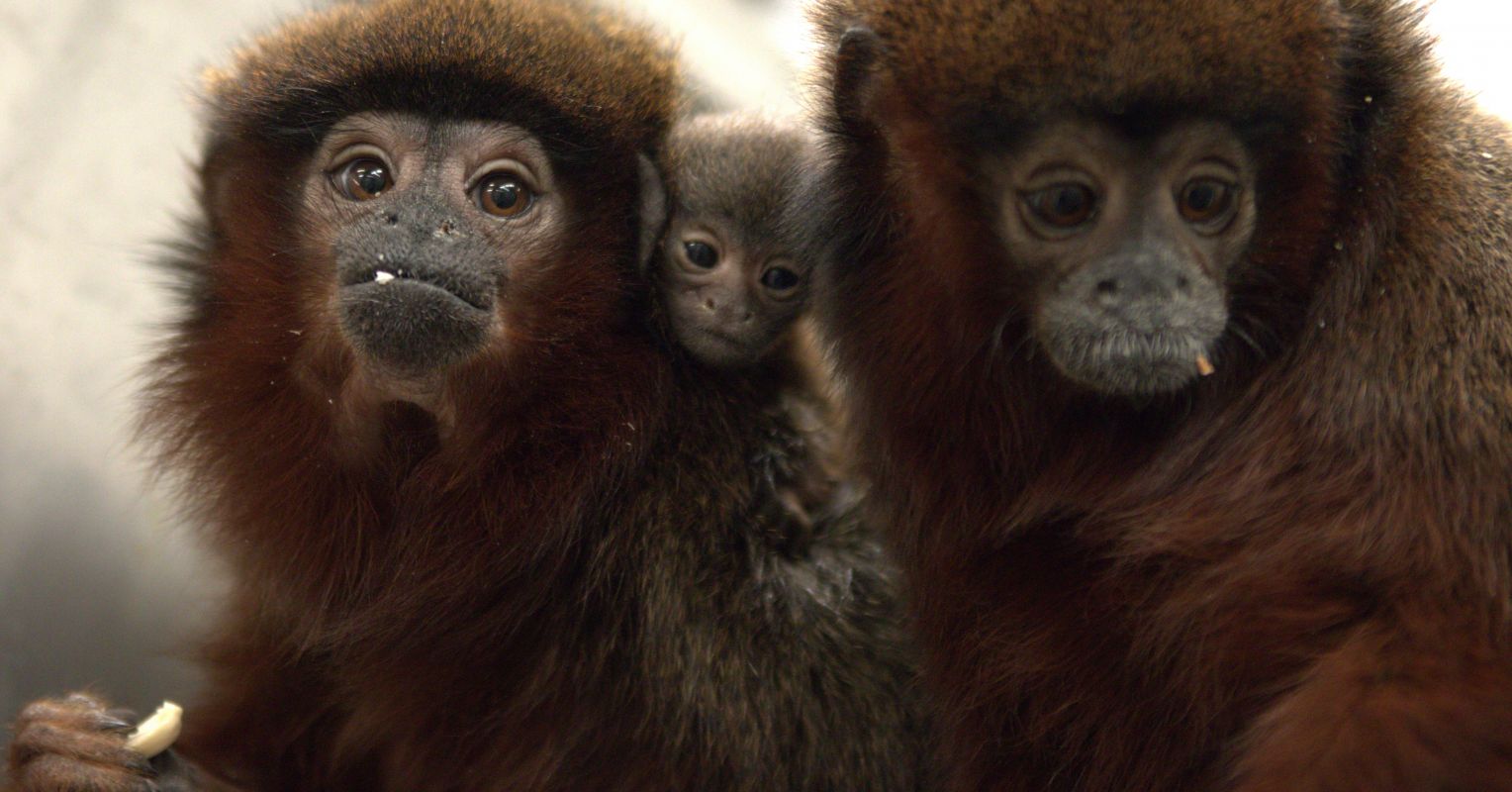
"Institutions that keep captive primates, like zoos or research laboratories, are responsible for the welfare of the animals in their care. This includes providing a stimulating environment, a healthy diet, and crucially, social connection. However, will any partners do? When it comes to human relationships, personality matters; personality similarities in couples are not only common, they're linked to better compatibility, increased well-being, and other positive outcomes."
"A better understanding of primate personality could help improve the lives of primates in human care, says Pauline Zablocki-Thomas, a primatology and ethology researcher at Nantes Université in France. However, little is known about personality and social relationships in many primates, especially the few species that form pair bonds. University of California at Davis psychologist Karen Bales studies the neurobiology and physiology of pair bonding in socially monogamous animals, including captive coppery titi monkeys ( Plecturocebus cupreus) housed at the California National Primate Research Center (CNPRC)."
"In the wild and in captivity, pair-bonded titi monkeys spend time in close physical contact, often with their long tails intertwined. As a postdoctoral researcher in Bales' lab, Zablocki-Thomas led an effort to study the personality of 27 pairs of titi monkeys housed at the CNPRC. She and her colleagues used a tool for studying personality in great apes and other primates, the Hominoid Personality Questionnaire (HPQ), in which raters score 54 items on a 7-point scale."
Institutions that keep captive primates must provide welfare including stimulating environments, healthy diets, and social connections. Personality similarity in human couples associates with greater compatibility and well-being, implying similar effects could occur in social animals kept in pairs. Personality assessment of 27 pairs of captive coppery titi monkeys at the California National Primate Research Center used the Hominoid Personality Questionnaire (54 items, 7-point scale). Pair-bonded titi monkeys spend extended time in close physical contact, often with intertwined tails. Knowledge of captive animals' personalities can guide pairing decisions to improve animal welfare.
Read at Psychology Today
Unable to calculate read time
Collection
[
|
...
]