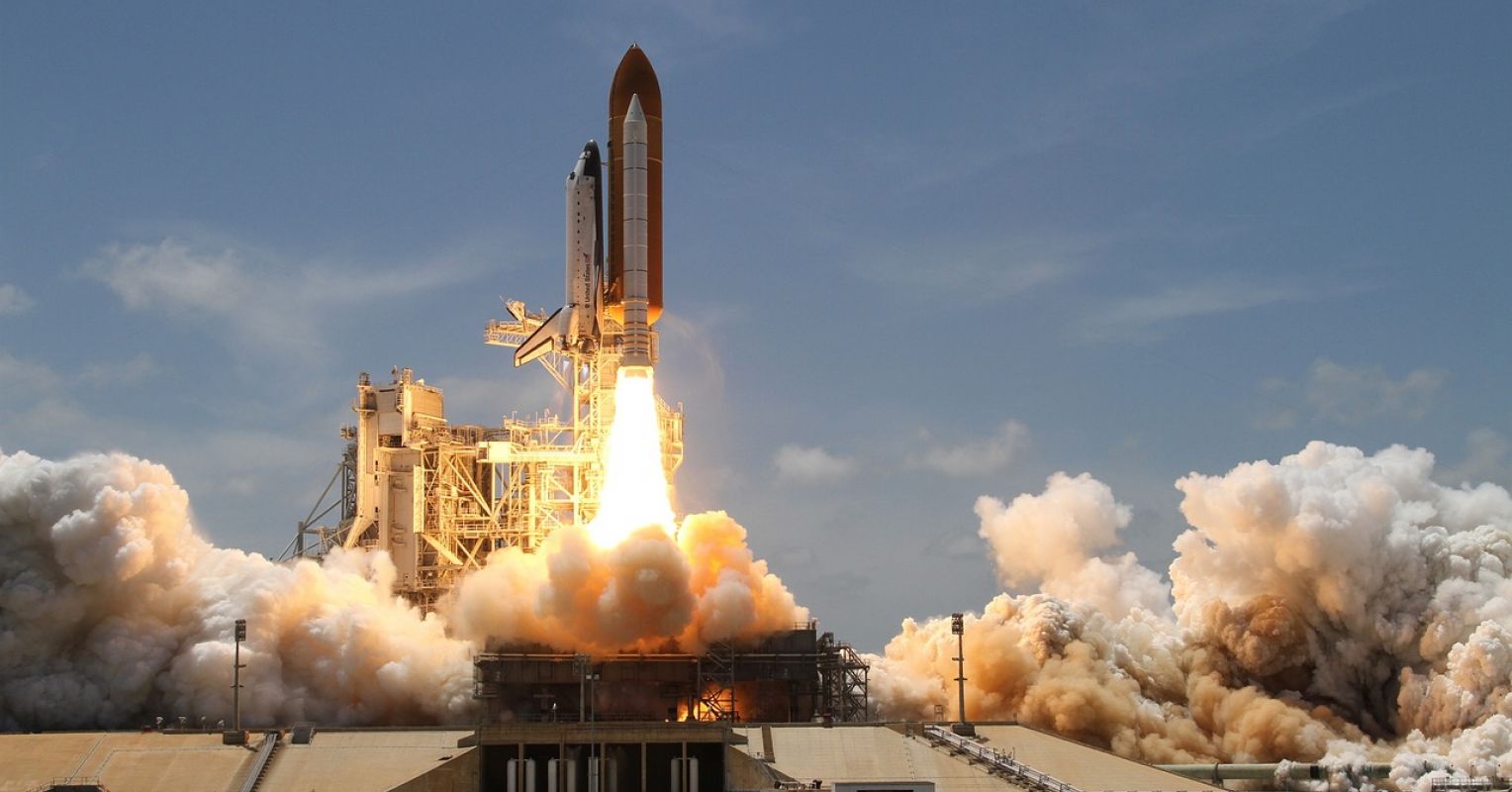
"Forty years ago, on January 28, 1986, "exactly 73.621 seconds after liftoff at 11:39 a.m., the space shuttle Challenger exploded, killing all seven persons on board. With the destruction of Challenger, America's dream for a quick and easy conquest of outer space died. A more obvious casualty of the Challenger disaster, the reputation of the National Aeronautics and Space Administration (NASA) was severely tarnished. NASA's aura of invincible professionalism was suddenly replaced with an image of bureaucratic bungling and institutional fallibility""
"In 2025, the brilliant entrepreneur Jim McCann authored the book Lodestar, which enumerated some of the best self-help practices for an effective and happy life. I take another perspective. From the darkness of tragedy can come revelation. Whether you are a manager, a coach, or someone who wants to make better decisions, here is a decision-making model designed to avoid six common sources of failure revealed from the study of disasters."
On January 28, 1986, exactly 73.621 seconds after liftoff, the space shuttle Challenger exploded, killing all seven crew members and severely damaging NASA's reputation. The presidential commission concluded that flawed decision-making caused the disaster. Tragedies reveal avoidable mistakes that can be cataloged to improve future decisions. The Karenina Principle implies that successful decisions result from avoiding a predictable constellation of failures, while failures often stem from any one of those errors. A decision-making model that targets six common sources of failure offers a practical first step for managers, coaches, and individuals seeking more effective, successful decisions.
Read at Psychology Today
Unable to calculate read time
Collection
[
|
...
]