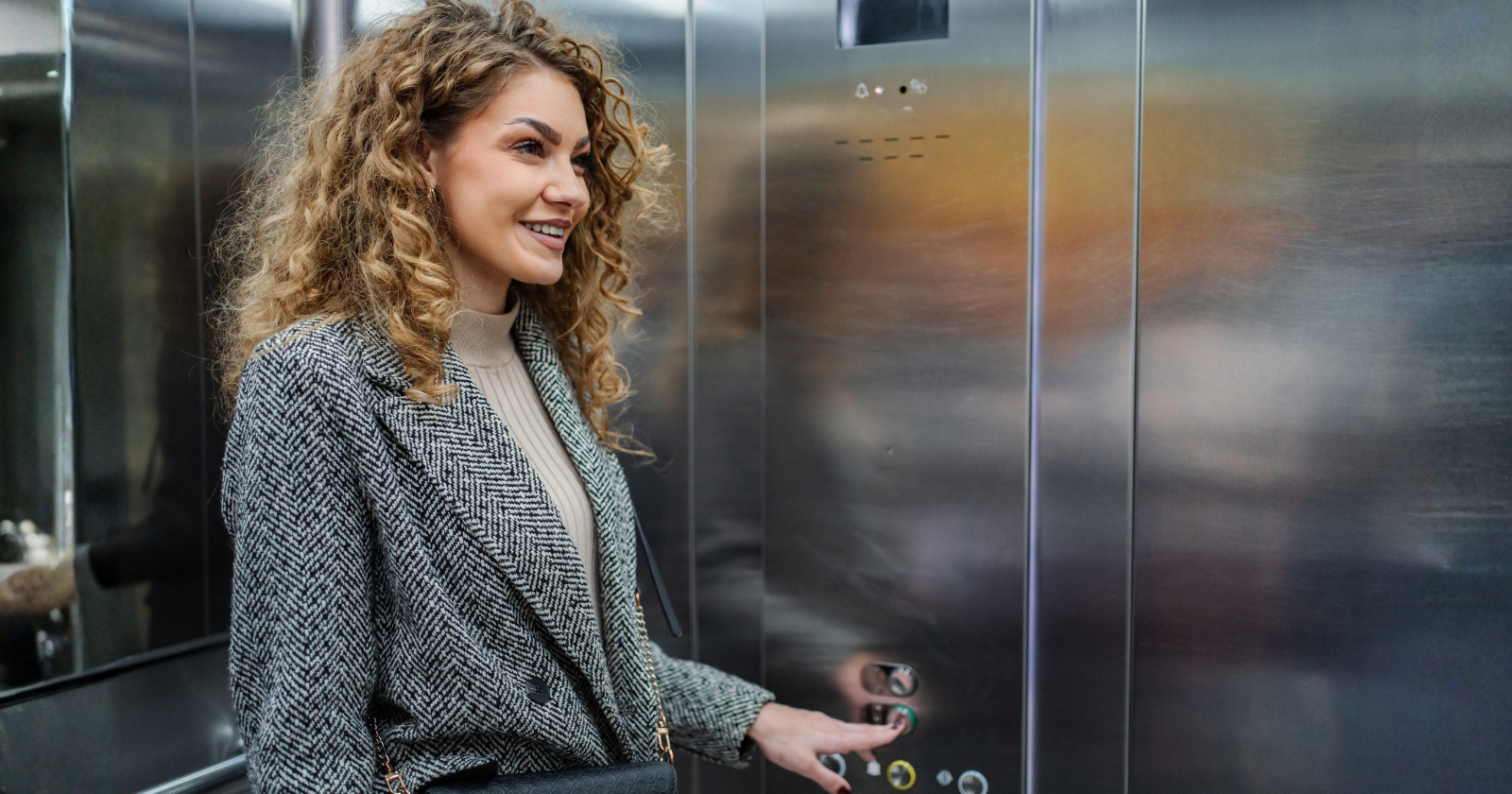
"Picture this: the elevator doors are sliding shut when you spot someone hurrying down the hallway, coffee sloshing dangerously in their cup, laptop bag bouncing against their hip. Without thinking, your hand shoots out to press the "door open" button. You exchange a grateful smile as they slip inside, slightly out of breath but relieved. If this scene feels familiar, you might possess more emotional intelligence than you realize."
"That split-second decision to hold the door isn't just about being polite. According to psychology research, it reveals something deeper about how your brain processes empathy, social awareness, and interpersonal connection. After interviewing over 200 people about their workplace dynamics and personal relationships, I've noticed that the small, instinctive gestures we make often say the most about our emotional capabilities."
"When you spot someone rushing toward the elevator, you're not just seeing physical movement. Your brain is instantly processing their stress level, urgency, and potential disappointment if they miss their ride. This automatic emotional radar is what researchers call "affective empathy." According to Psychology Today, emotionally intelligent people have heightened sensitivity to the emotional cues around them. They pick up on micro-expressions, body language, and situational context without conscious effort."
"I learned this firsthand when my social anxiety forced me to become hyperaware of others' reactions. What started as a survival mechanism taught me to read rooms with surprising accuracy. The same neural pathways that make you notice someone needs that elevator also help you sense when a colleague is overwhelmed or when your partner needs space to process something difficult"
An instinctive act like holding an elevator door reflects immediate neural processing of empathy, social awareness, and interpersonal connection. Split-second decisions reveal affective empathy and heightened sensitivity to stress, urgency, and potential disappointment. Interviews with over 200 people link small, instinctive gestures to broader emotional capabilities in workplace and personal relationships. Emotionally intelligent individuals detect micro-expressions, body language, and situational context without conscious effort. Hyperawareness born from social anxiety can enhance the ability to read rooms. The same neural pathways that detect immediate need also enable noticing when a colleague is overwhelmed or when a partner needs space.
Read at Silicon Canals
Unable to calculate read time
Collection
[
|
...
]