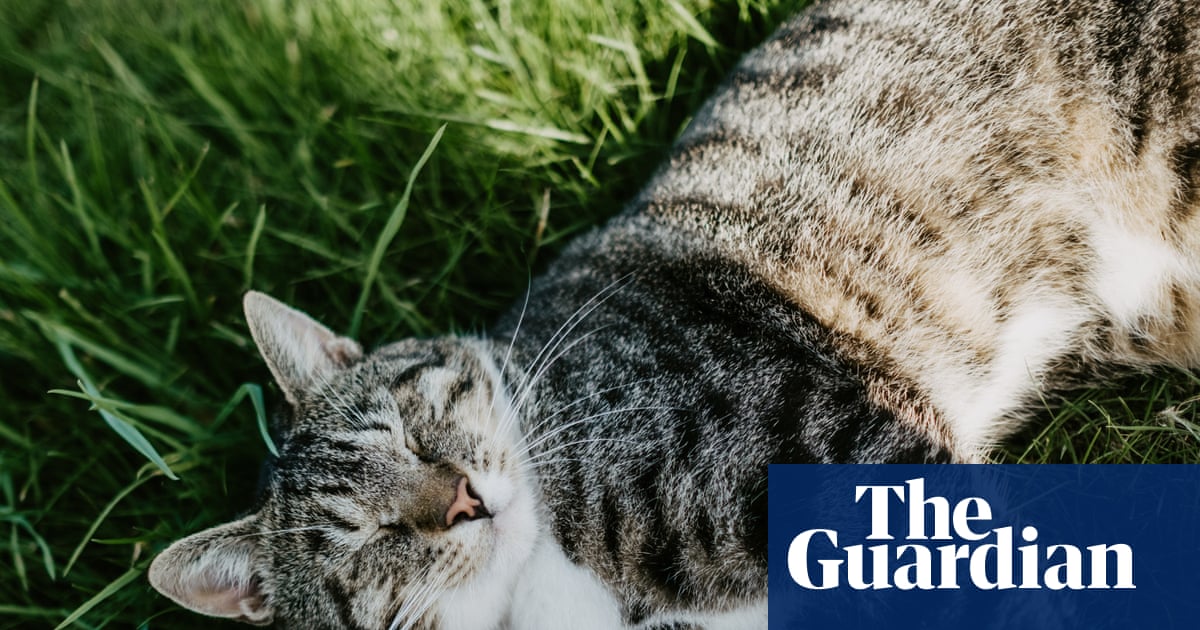
"He became our little bundle of fun. Well, not fun' Like older people, he was set in his ways fussy and miserable. But he slowly became affectionate, in his way. Julot was born in 2004. By 2022, he was pretty much deaf and blind, though he could still navigate through his nose. He liked to drink out of a pool outside, and would use his paw to find the water."
"I remember when we used to leave the house for an evening or a few days away, he used to sit in the middle of the driveway with a look on his face saying: Where are you going?' And I would tell him: Julot, you're in charge.' After a trip to the UK in April 2024, they returned to find Julot lifeless on their terrace. It was something sad beyond words, that he died alone."
Research indicates bereavement following pet death can cause prolonged grief disorder (PGD), a condition lasting months or years with intense longing, despair, social withdrawal, and impaired daily functioning. Diagnostic criteria currently allow PGD diagnosis only after human loss. Pet owners frequently form deep emotional attachments and engage in caregiving routines that amplify grief when a pet dies. Owner accounts describe vivid memories, rituals such as burial and stone-laying, extended weeping, and feelings of loss that can feel stronger than some family bereavements. Sudden or solitary deaths of pets can intensify feelings of shock and enduring sorrow.
Read at www.theguardian.com
Unable to calculate read time
Collection
[
|
...
]