"I thought it leaned really masculine, and there were cultural associations around it that made me feel disconnected from it. Think Randall from 'Recess' or 'Monsters Inc.'"
"I thought that that would add some softness, some femininity, but when you say the name out loud, it's the same name," she explains."
"He was from South Asia, and in parts of South Asia and other regions, Randi has a sexual and derogatory meaning," Lynchey says."
"So he ended up being really afraid to tell his mom my name, and it just felt so heavy on me."
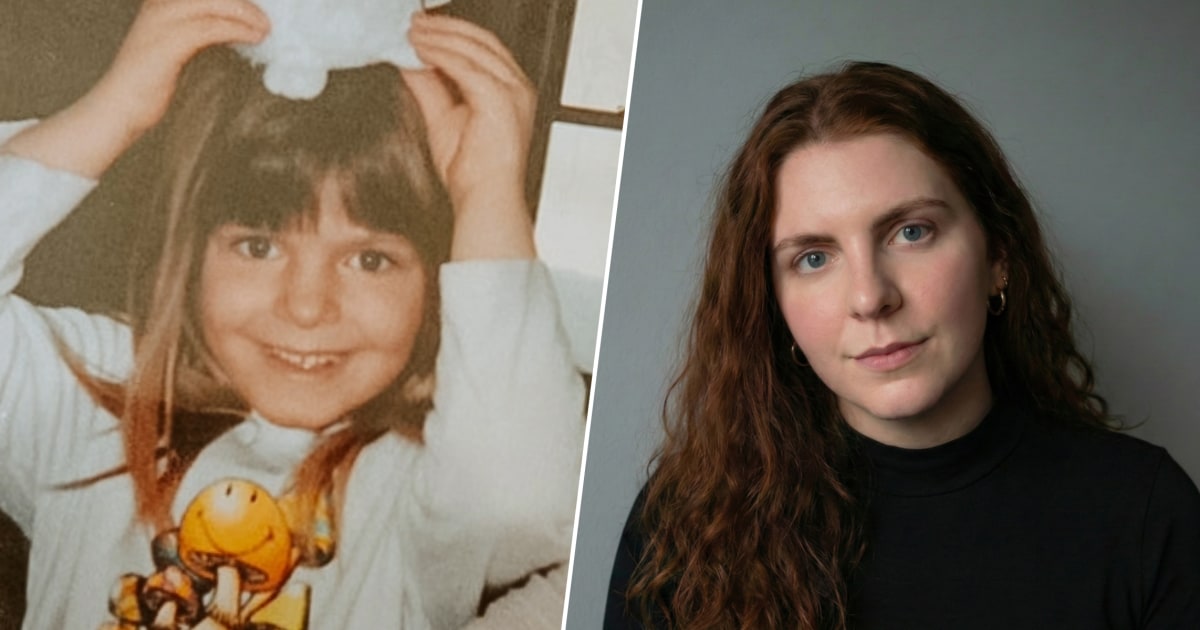
Lynchey was adopted out of foster care at age eight and given the name Randi, which she never liked due to masculine associations and cultural disconnection. In high school she altered the spelling to Randee but felt no meaningful change. A relationship revealed additional stigma: in parts of South Asia the name carries a sexual, derogatory meaning, which created discomfort for her partner and emotional weight for her. After leaving both the relationship and her adoptive family, she pursued a new name. The search felt overwhelming, and she prioritized names that conveyed femininity, openness, movement, and personal resonance, avoiding male Top 1000 names.
Read at TODAY.com
Unable to calculate read time
Collection
[
|
...
]