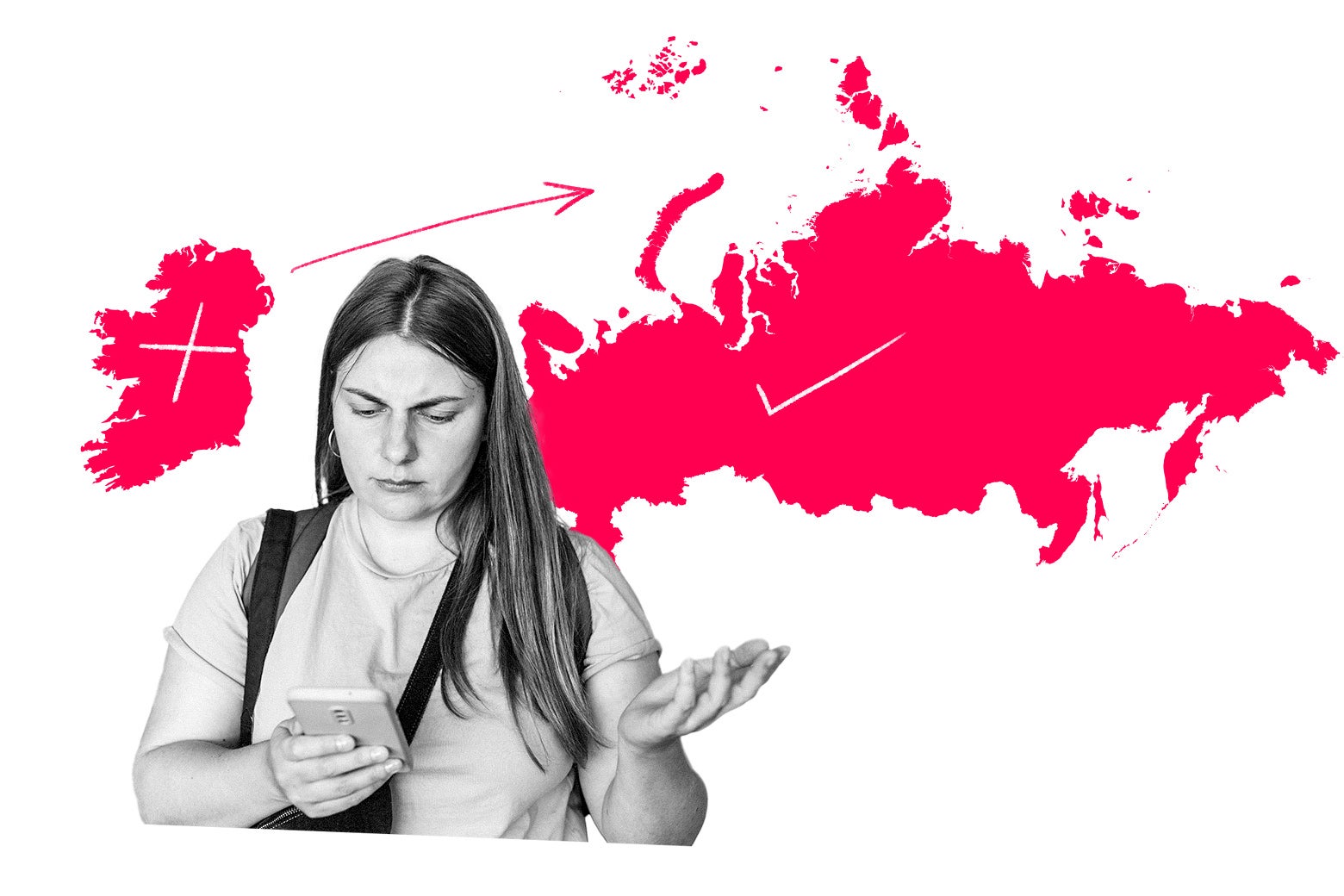
"When I was 4 years old, my parents divorced, and my father moved away. I grew up thinking that my biological father was "John," but recently discovered that my mother had an affair with another man, "Allen." Allen is my biological father. This was a surprise and filled with a lot of drama, but it's gotten weirder than you'd imagine."
"I thought I was part of a certain ethnic group, and because my father did not live nearby, I tried very hard to stay connected to my heritage. Imagine that you thought you were Irish, as an example. You tried to stay in touch with your roots by taking trips to Ireland, learning about Irish cooking, and even studying Gaelic. But then you discover that you're not Irish at all: Your biological father was Russian."
"That's where I am now. I basically grew up being a proud "Irish woman," only to discover I have no ties to this culture. I'm a bit baffled about where to go from here. Do I now try to get in touch with my "Russian" roots? How do I explain to my friends that I'm Russian, not Irish? What if I benefited in some way from my Irish status (getting a scholarship from the Irish-American Heritage Society, for example)?"
The correspondent grew up believing her father was John but learned that Allen, the result of an affair, is her biological father. The revelation overturned a lifelong identification with an Irish heritage built through travel, cooking, and language study. The correspondent now faces questions about whether to pursue newly discovered Russian roots and how to explain the change in identity to friends. Concerns include possible benefits previously received because of perceived Irish identity and the cultural resonance of her Irish-sounding name. A personal anecdote recounts a Boston grandmother who strongly labeled people by specific white ethnicities, contrasting that with California’s relative indifference to ancestral origins.
Read at Slate Magazine
Unable to calculate read time
Collection
[
|
...
]