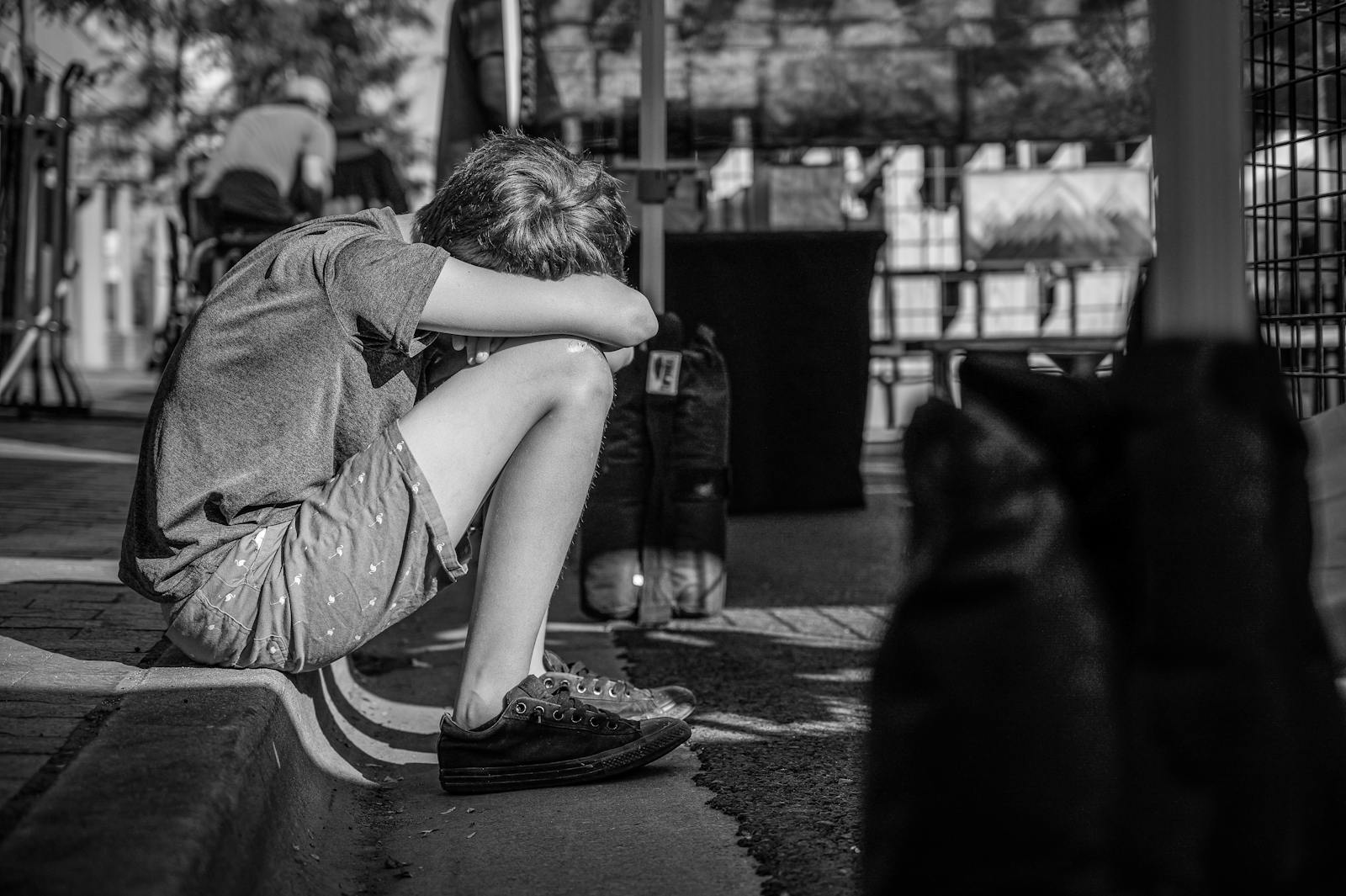
"Children don't arrive in the world emotionally guarded. They arrive screaming, crying, reaching. The default setting is wide open. What happens next depends entirely on what those expressions meet. Studies suggest that many children struggle with emotion regulation, and research indicates their capacity to manage feelings depends heavily on the responses they receive from caregivers."
"When a child's emotional expression is consistently met with warmth and co-regulation, they learn that feelings are safe to have. When it's met with irritation, dismissal, or punishment, they learn something else entirely: that showing what you feel gives other people ammunition. This second group doesn't stop having emotions. They stop displaying them."
"Here's what most people miss about the 'hard to read' person in their life: that composure didn't develop in a vacuum. It was forged through defense mechanisms, the unconscious psychological strategies individuals deploy to manage emotional conflict and perceived threats."
People perceived as difficult to read are often not strategically withholding emotions but rather operating from deeply ingrained defense mechanisms developed in childhood. When children's emotional expressions are met with warmth and support, they learn feelings are safe. Conversely, when met with dismissal, irritation, or punishment, they learn that displaying emotions provides others with ammunition. This leads to automatic emotional suppression that becomes foundational to their personality structure. The composure of emotionally opaque individuals reflects unconscious psychological defense strategies deployed to manage emotional conflict and perceived threats, not deliberate social gamesmanship.
Read at Silicon Canals
Unable to calculate read time
Collection
[
|
...
]