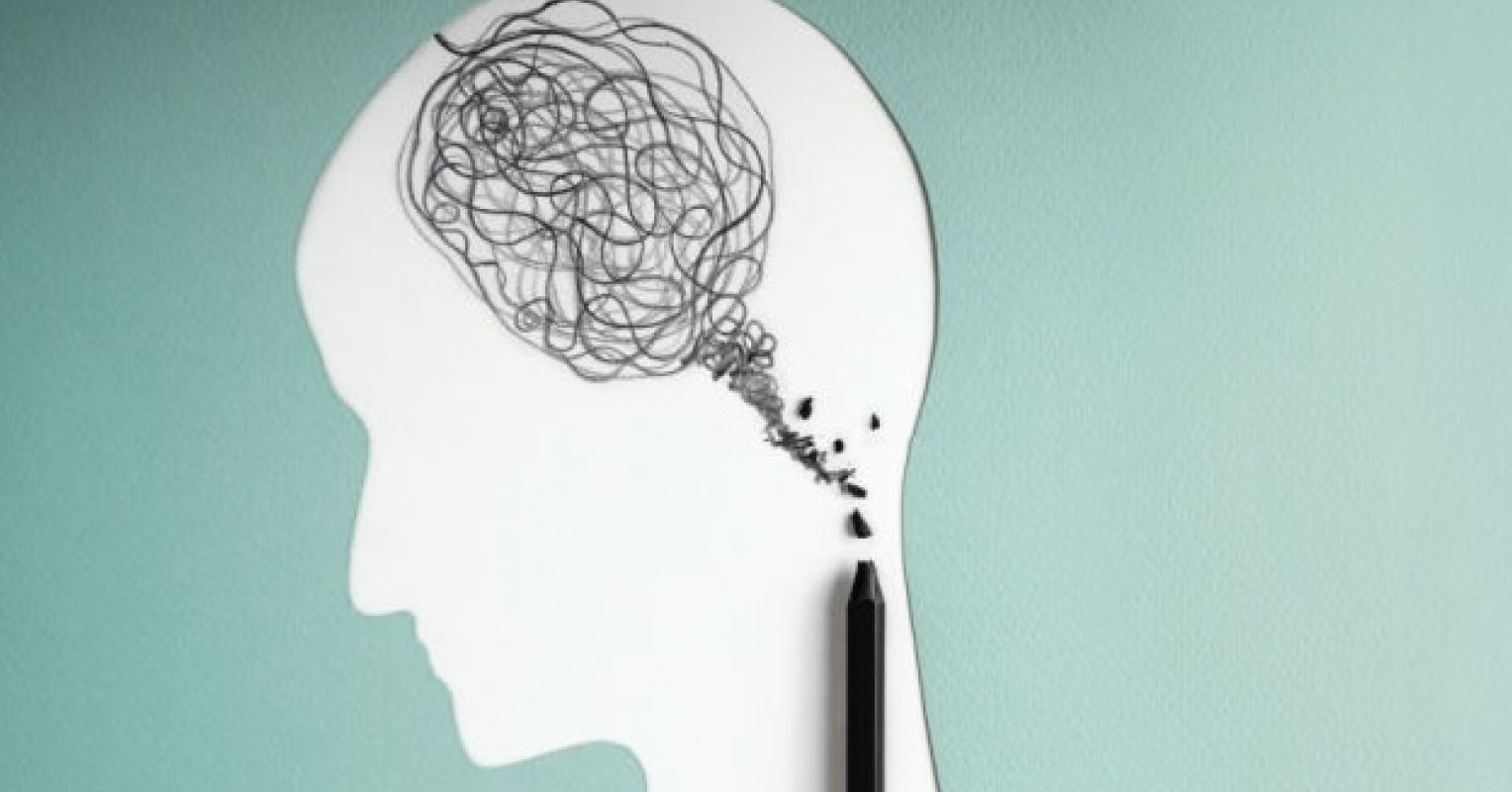
Mother’s Day can be complicated because nurturance, care, and closeness carry emotional charge. Complexes are emotionally charged clusters of lived experiences linked to archetypes that influence feelings and reactions. Complexes mostly operate outside awareness, formed through early and ongoing personal, relational, and cultural experiences, and can harden into enduring patterns. Feeling triggered or being dysregulated often means an external stimulus activates a complex. Complexes can arise when the psyche dissociates in the face of pain, leaving split-off experiences to continue independently. Memories, bodily sensations, emotional responses, and core beliefs related to unprocessed pain can be grouped into a complex. Caregiver unconscious and cultural unconscious shape a child’s unconscious through absorbed unspoken fears, conflicts, values, and relational patterns, including deprivation or indulgence. People may identify with or react against caregiving experiences, forming inner vows that polarize responses.
"When we "feel triggered," or our " nervous system gets dysregulated," it often means that an external stimulus is activating one of our complexes. Complexes develop for a variety of reasons. Because the psyche is dissociable, it can fragment in the face of pain, with the split-off experience continuing to "live a life of its own" as a complex. The pain wasn't registered or processed, and the psyche groups together memories, bodily sensations, emotional responses, and core beliefs related to that pain."
"Complexes are mainly outside our awareness, shaped through early and ongoing personal, relational, and cultural experiences, and influence how we think, feel, and respond. They can congeal into a variety of enduring patterns. Complexes are emotionally charged clusters of lived experiences, linked to archetypes -that influence how we feel and react."
"Jung noted that a caregiver's unconscious and the cultural unconscious influence the child's unconscious. Children absorb unspoken fears, conflicts, values, and relational patterns before they consciously understand or symbolize them. For example, physical, psychological, emotional, or cultural deprivation or indulgence can contribute to how a complex forms."
"we may either identify with or be reactionary toward our caregiving experiences, making inner vows such as, "I'll be just like my mom," or "I'll never be like my mom." Our response is polarized and can lead to"
#complexes #motherhood #trauma-and-dissociation #caregiving-and-attachment #nervous-system-dysregulation
Read at Psychology Today
Unable to calculate read time
Collection
[
|
...
]