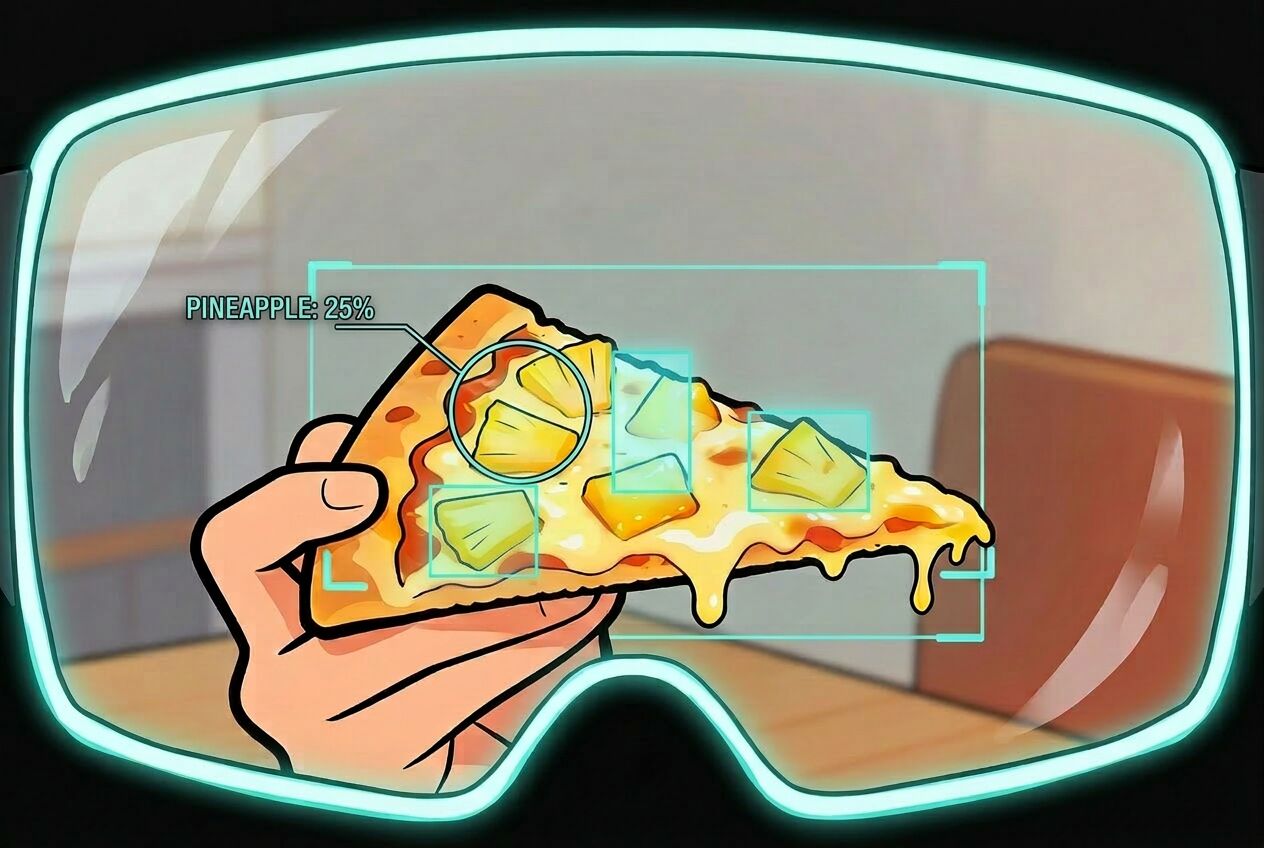
"The backlash wasn't really about the hardware. People simply felt extremely uncomfortable with strangers walking around with glasses, pointing cameras at their faces. Wondering if the 'glasshole' was reading emails, watching cat videos, or recording everyone. Apparently, society hadn't quite warmed to the concept of being recorded by random people wearing futuristic eyewear."
"And then came AI. Instead of disrupting hardware, AI resurrected it, hoping to turn it into gold. Big tech and scrappy start-ups alike are throwing 'AI-infused wearables' at the wall: voice pins, AI rings, mysterious screenless devices, and of course smart glasses. It's chaotic, ambitious, and very on-brand for an industry that moves fast and breaks things."
Smart glasses are experiencing a resurgence a decade after Google Glass's spectacular failure in 2014. The original Google Glass faced severe backlash due to privacy concerns—users were perceived as potential voyeurs recording strangers without consent, earning the derisive nickname 'glassholes.' Bars and restaurants banned the devices. However, AI integration has revitalized interest in wearable eyewear technology. Tech companies and startups are now launching AI-infused smart glasses marketed as 'AI assistants for the real world.' Despite millions of units already sold, the fundamental tension remains: combining AI, cameras, and recording capabilities with the ethical question of whether strangers should be recorded without knowledge.
Read at Exchangewire
Unable to calculate read time
Collection
[
|
...
]