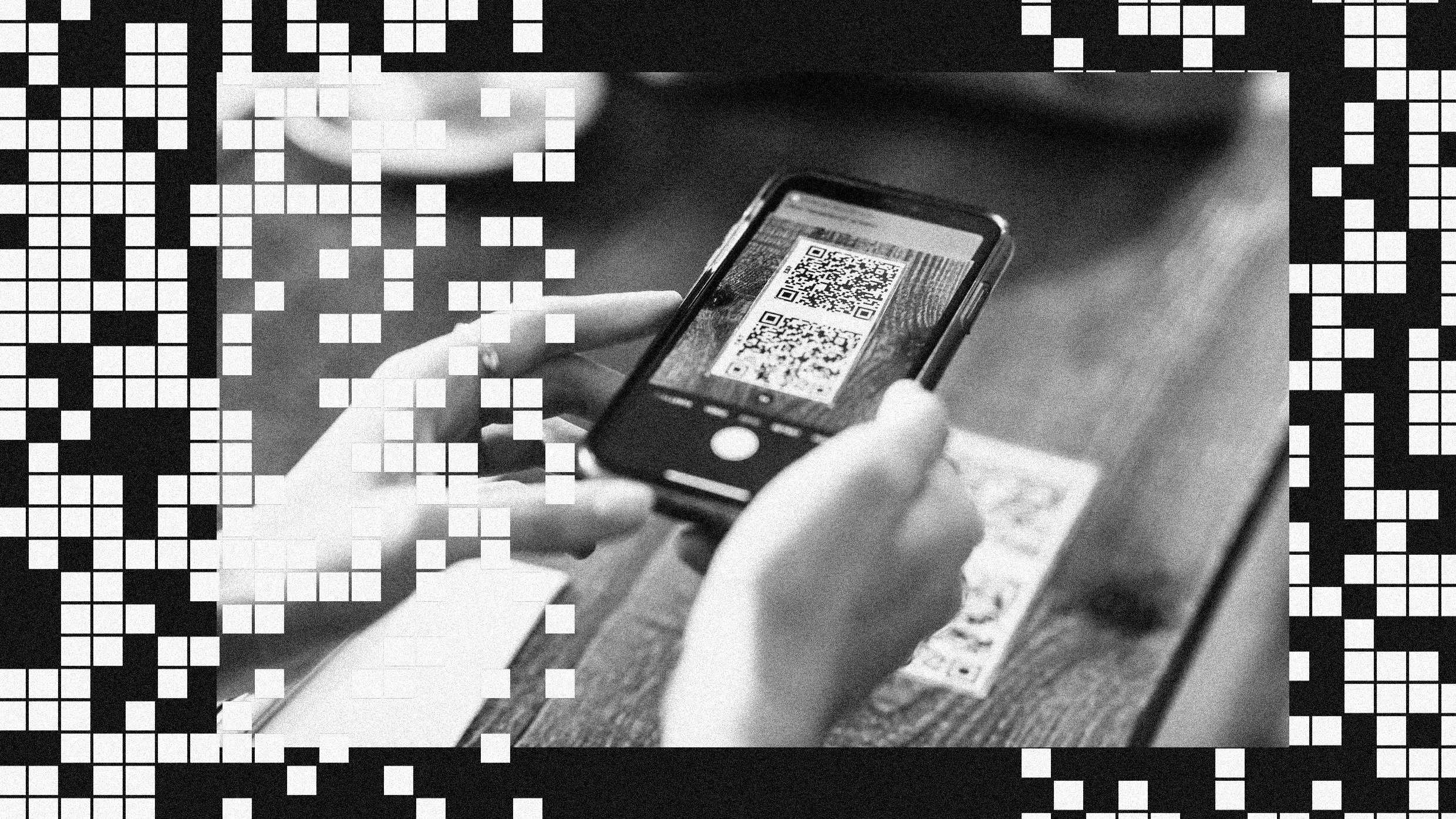
"QR codes are two-dimensional images with glyphs of various sizes that store not just numbers, but text. When scanned, your phone extracts the encoded information and can act on it. For example, QR codes often embed URLs, allowing you to scan, say, a parking meter to launch a webpage where you can pay online."
"But our desire for-and unquestioning acceptance of-this convenience is now being exploited by scammers through what has become known as 'quishing.' Increasingly, everyone from scammers to nation-states are trying to exploit our willingness to use QR codes. They do this by embedding malicious links in them and sending them to a person via email."
QR codes function as two-dimensional barcodes that store and transmit text and URLs, offering convenient access to services like Wi-Fi connections, parking payments, and restaurant menus. However, this convenience attracts malicious actors who exploit user trust by embedding harmful links within QR codes. Scammers, organized criminal gangs, and nation-states leverage this technology to deceive people into unknowingly compromising their data. The practice, termed quishing, capitalizes on users' unquestioning acceptance of QR code convenience. Understanding how QR codes work and recognizing potential threats enables users to protect themselves from these security risks.
Read at Fast Company
Unable to calculate read time
Collection
[
|
...
]