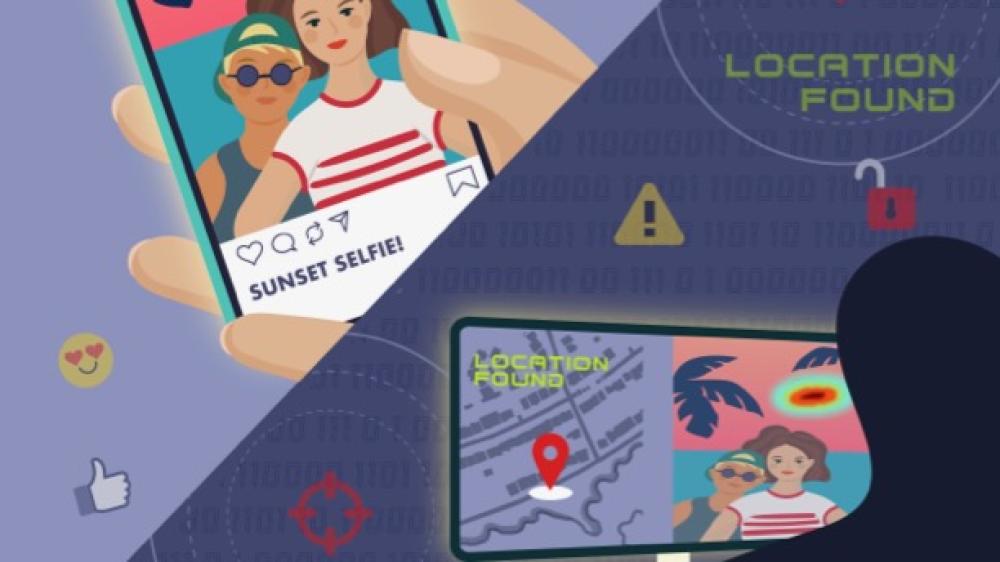
"Vision‑Language Models (VLMs) can now determine where in the world any given photo is taken with striking speed and accuracy. Most people are unaware that widely accessible AI tools can identify the location of their personal photos, even when Global Positioning System (GPS) metadata has been removed."
"VLMs' capabilites create serious risks for privacy and other human rights. They can transform an ordinary photograph into sensitive personal information. Immediate risks include covert surveillance, doxxing, discriminatory policing, and profiling. Beyond individual harms, geolocation capabilities may have chilling effects on freedoms of expression and assembly."
Vision-Language Models (VLMs) possess the capability to infer geographic location from images with high accuracy, even when GPS metadata has been removed. While this technology could support beneficial applications like robotics development and investigative journalism, it creates significant privacy and human rights concerns. Immediate risks include covert surveillance, doxxing, discriminatory policing, and profiling. Beyond individual harms, geolocation capabilities may restrict freedoms of expression and assembly, and enable companies to monetize inferred location data. The PRIV-LOC project, a collaboration between multiple universities and Privacy International, examines these risks and VLM geolocation performance to understand potential harms from both expert and public use.
Read at Privacy International
Unable to calculate read time
Collection
[
|
...
]