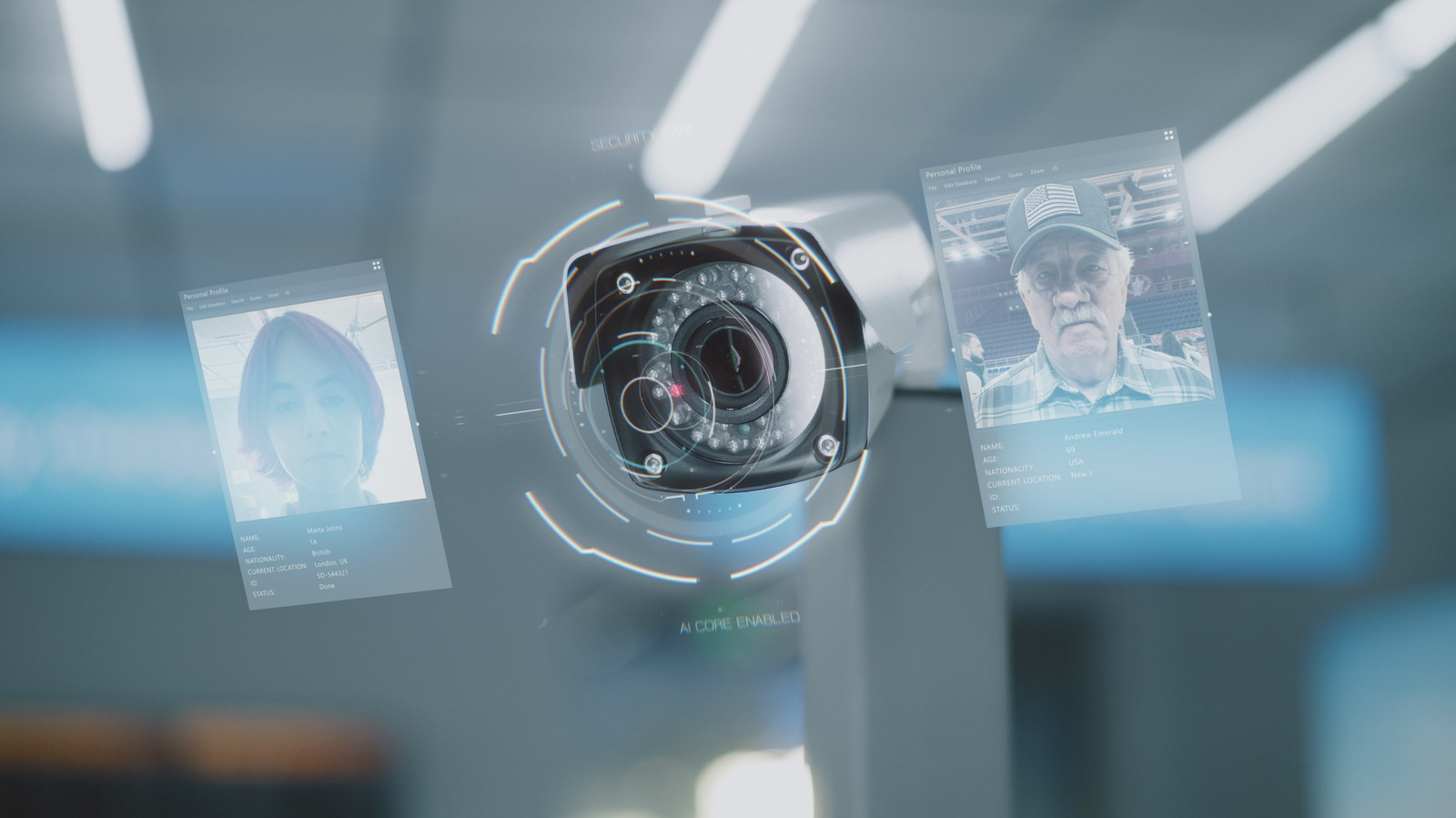
"If you are worried about how technology may affect your shopping experience in the future, you may want to pay close attention to what's going on at Wegmans. The grocery chain has been called out for its use of biometric surveillance. When you go into a Wegmans location that uses this technology, the store can scan and save your biometric data through the use of facial recognition, eye scans, and even voice scans."
"While Wegmans is known to be cheap, now if you head in for a loaf of bread, cameras will scan your face and eyes to compare with a database. If you speak to anyone, they will do the same with your voice. This company says it can "convert or share" this data, which is both vague and concerning language. Studies show these biometric scans have a much higher error rate for darker-skinned individuals, especially women."
"Wegmans has said that, like other retailers, it uses cameras for security. However, some stores that have demonstrated "elevated risk" now use facial recognition technology, "to identify individuals who have been previously flagged for misconduct," a spokesperson told Fox News. It's worth noting that in some stores this identification can be based on an internal database and not necessarily because anyone has been convicted of a crime. A shopper can be merely suspected of a crime by store staff."
Wegmans implements biometric surveillance in some locations using facial recognition, eye scans, and voice scans to scan and save customers' biometric data. The company states it retains data for unspecified durations and may "convert or share" the data. The technology is currently used in New York City and in "a handful of states," with door warnings required only in New York City. Some stores use facial recognition where managers perceive "elevated risk" to identify individuals flagged for misconduct from internal databases. Identification can be based on suspicion rather than convictions, and studies show higher error rates for darker-skinned individuals, especially women.
Read at Tasting Table
Unable to calculate read time
Collection
[
|
...
]