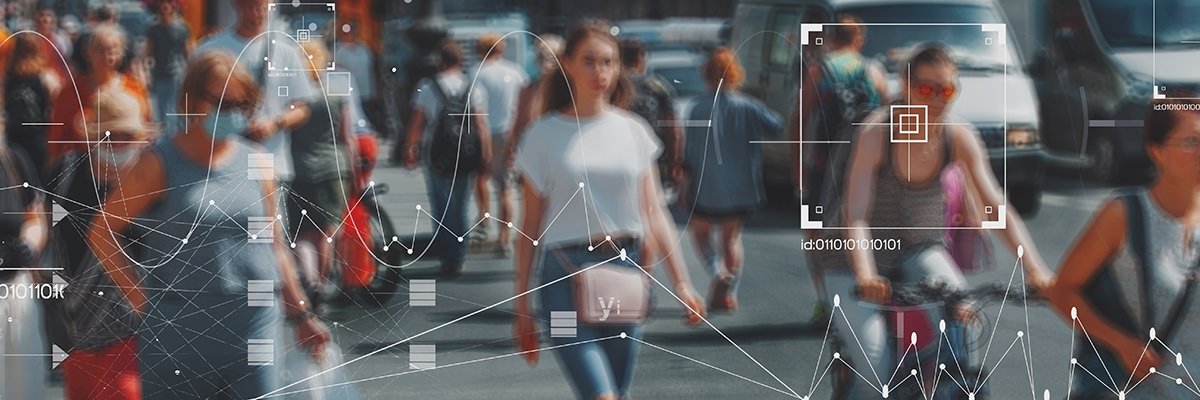
Live facial recognition (LFR) is now routinely deployed in the UK, scanning millions of faces annually at events and busy public locations. Police claim human officers make final decisions on alerts to ensure accuracy and prevent unnecessary interventions. Research shows LFR functions as a socio-technical assemblage that reshapes police suspicion and discretion, because computer-generated recognitions precede officer intuition. Officers therefore act as intermediaries interpreting algorithmic suggestions, which normalizes surveillance, increases encounters prompted by machine alerts, and risks reinforcing mistaken or biased perceptions about who is suspicious. Erroneous alerts and expanding, routine deployments magnify these effects and weaken procedural safeguards intended to limit automated influence.
"Police use of live facial recognition (LFR) technology reconfigures suspicion in subtle yet important ways, undermining so-called human-in-the-loop safeguards. Despite the long-standing controversies surrounding police use of LFR, the technology is now used in the UK to scan millions of people's faces every year. While initial deployments were sparse, happening only every few months, they are now run-of-the-mill, with facial recognition-linked cameras regularly deployed to events and busy areas in places like London and Cardiff."
"The authors argue that while under current police powers, officers recognising someone may constitute grounds for a stop and search, this changes when LFR is inserted into the process, because the "initial recognition" does not result from an officer exercising discretion. "Instead, officers act more akin to intermediaries, interpreting and then acting upon a (computer-instigated) suggestion originating outside of, and prior to, their own intuition,' the sociologists wrote."
Read at ComputerWeekly.com
Unable to calculate read time
Collection
[
|
...
]