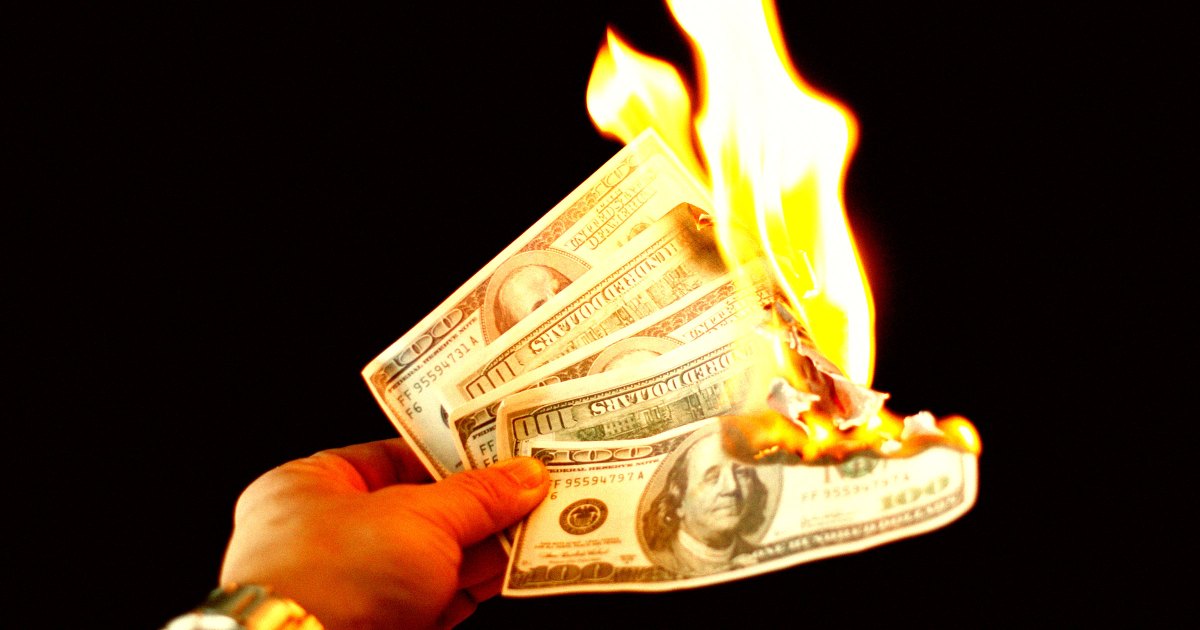
"Sports betting ads have become practically inescapable, and smartphone apps have made it easier than ever to jump right in. Meanwhile, prediction markets like Kalshi and Polymarket have supercharged the trend, allowing anybody to place bets on anything from tomorrow's weather to the date of an imminent military invasion."
"According to the paper's sweeping analysis, the vast majority of users are left holding the bag for a tiny proportion of accounts being run by pros, insiders, and trading firms with access to far better information and statistical capabilities than your average person. Per the WSJ 's analysis, a whopping 67 percent of profits on Polymarket go to just 0.1 percent of accounts."
"It's an extremely unbalanced system, with casual users often being outplayed by professionals and traders using algorithms to predict price movements at extremely fast speeds. Some use bots to make strategic bets tens of thousands of times a day, leaving recreational users out to dry."
"Since there's no "house," like in a casino, users are only tradi"
Sports betting and prediction markets have become widely accessible through ads and smartphone apps. Prediction markets allow people to place wagers on a wide range of outcomes, including everyday events and major geopolitical developments. Despite high living costs, millions of Americans have invested billions of dollars, yet winnings are small for most participants. Profit distribution is highly concentrated among a very small number of accounts run by professionals, insiders, and trading firms with superior information and statistical tools. Casual users are often outmatched by algorithmic traders and bots that place large numbers of bets quickly. With no traditional “house,” losses fall primarily on recreational users.
Read at Futurism
Unable to calculate read time
Collection
[
|
...
]