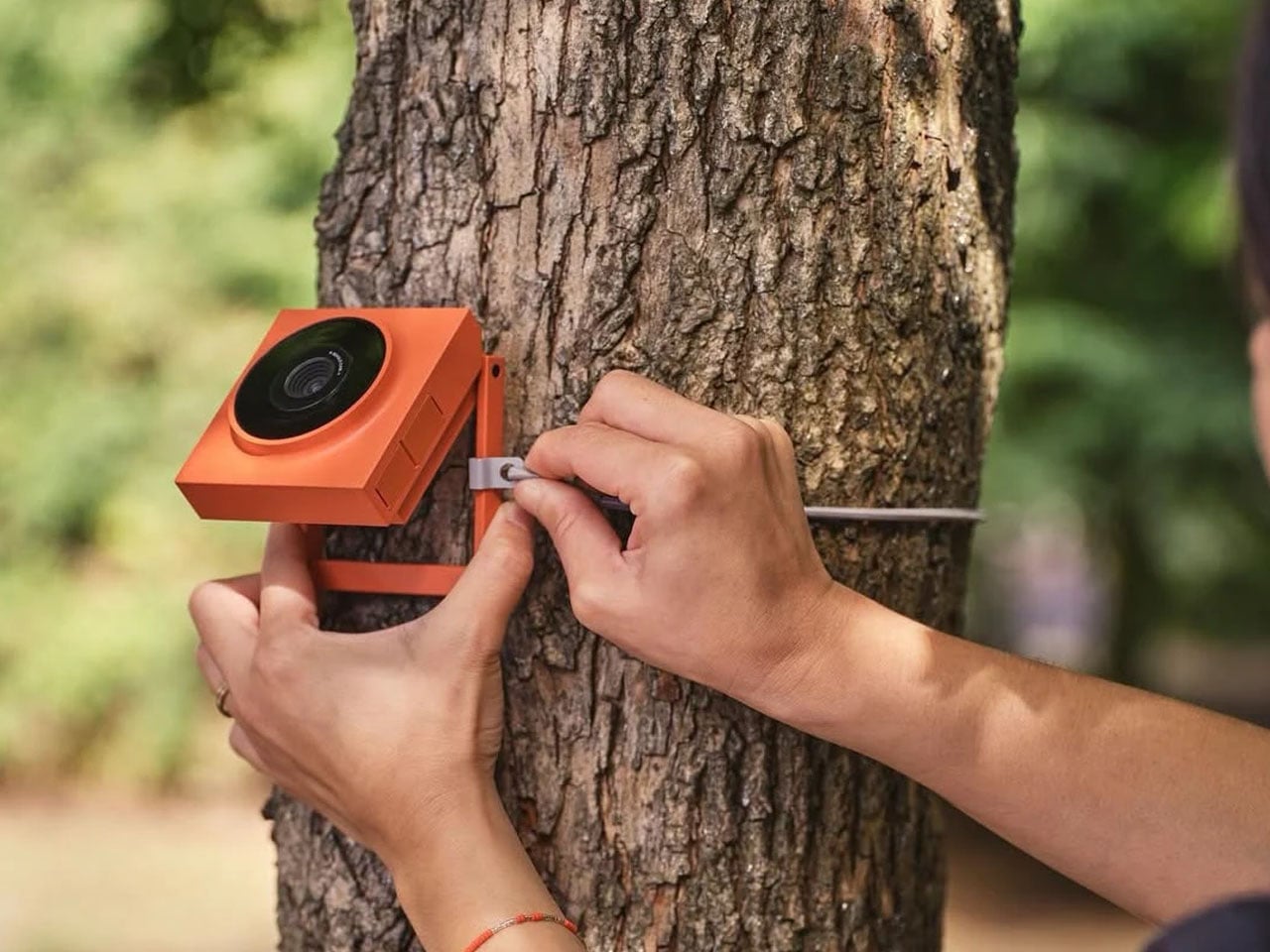
A new approach to wildlife observation emphasizes minimalism and AI integration. The compact design of the camera eliminates traditional features, allowing it to blend into natural surroundings. This unobtrusive presence minimizes disruption to wildlife behavior. The AI capability enables real-time data processing, identifying species and filtering irrelevant motion, which enhances monitoring efficiency. This shift from passive recording to active interpretation transforms the device into a valuable tool for conservation and research, reducing human effort while improving accuracy in wildlife tracking.
"The design strips away everything that feels traditionally 'camera-like.' Instead of buttons, screens, or visible complexity, what you get is a clean, almost monolithic form that feels closer to a sensor than a gadget."
"By reducing its presence, the device becomes less of an observer and more of a silent participant. This is particularly important in wildlife monitoring, where even the slightest disruption can alter animal behavior."
"Unlike traditional camera traps that simply record footage for later review, AI-enabled systems are increasingly designed to process data in real time—identifying species, filtering out irrelevant motion, and reducing the need for manual sorting."
"That shift from passive recording to active interpretation is where the real value lies. It turns a simple device into a tool for conservation, research."
Read at Yanko Design - Modern Industrial Design News
Unable to calculate read time
Collection
[
|
...
]