""Trust in digital content is eroding. We wanted to create a technology that gives people a way to verify whether something is genuine," co-developer Felix Franke explained in a press release."
"The current solution relies on the device's main processor to stamp videos and pictures with a cryptographic seal that verifies their authenticity."
"A sophisticated bad actor can intercept that internal cord, hijack the raw data, and manipulate it before the cryptographic signature is applied."
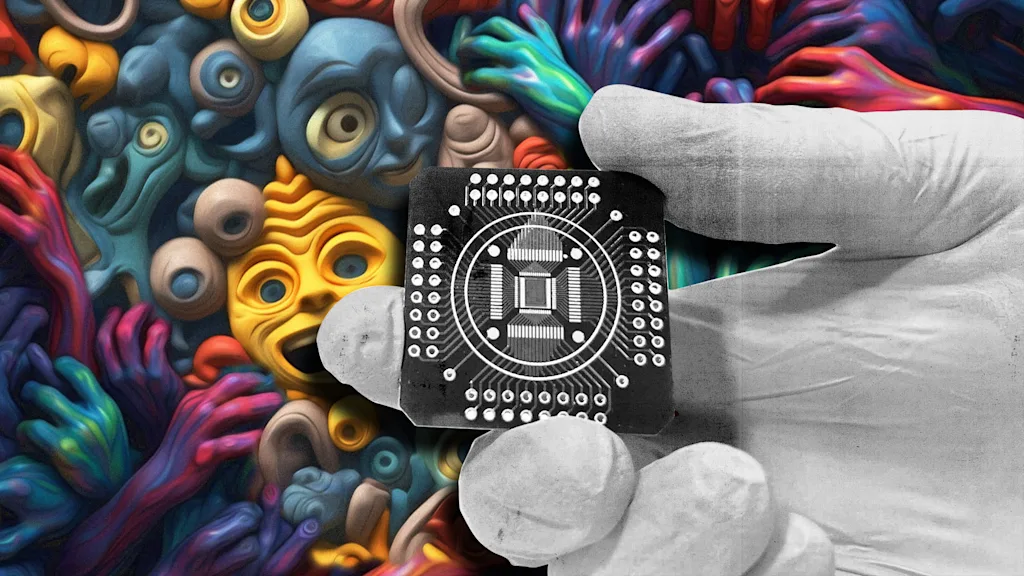
Engineers at ETH Zurich have developed a camera prototype that embeds a cryptographic seal of authenticity directly onto images at the sensor level. This innovation aims to combat the erosion of trust in digital content caused by generative AI models producing indistinguishable synthetic media. Current methods rely on the C2PA standard, which uses the main processor to authenticate media, but this approach has vulnerabilities. The new hardware architecture fundamentally alters media authentication by securing the verification process at the point of capture.
Read at Fast Company
Unable to calculate read time
Collection
[
|
...
]