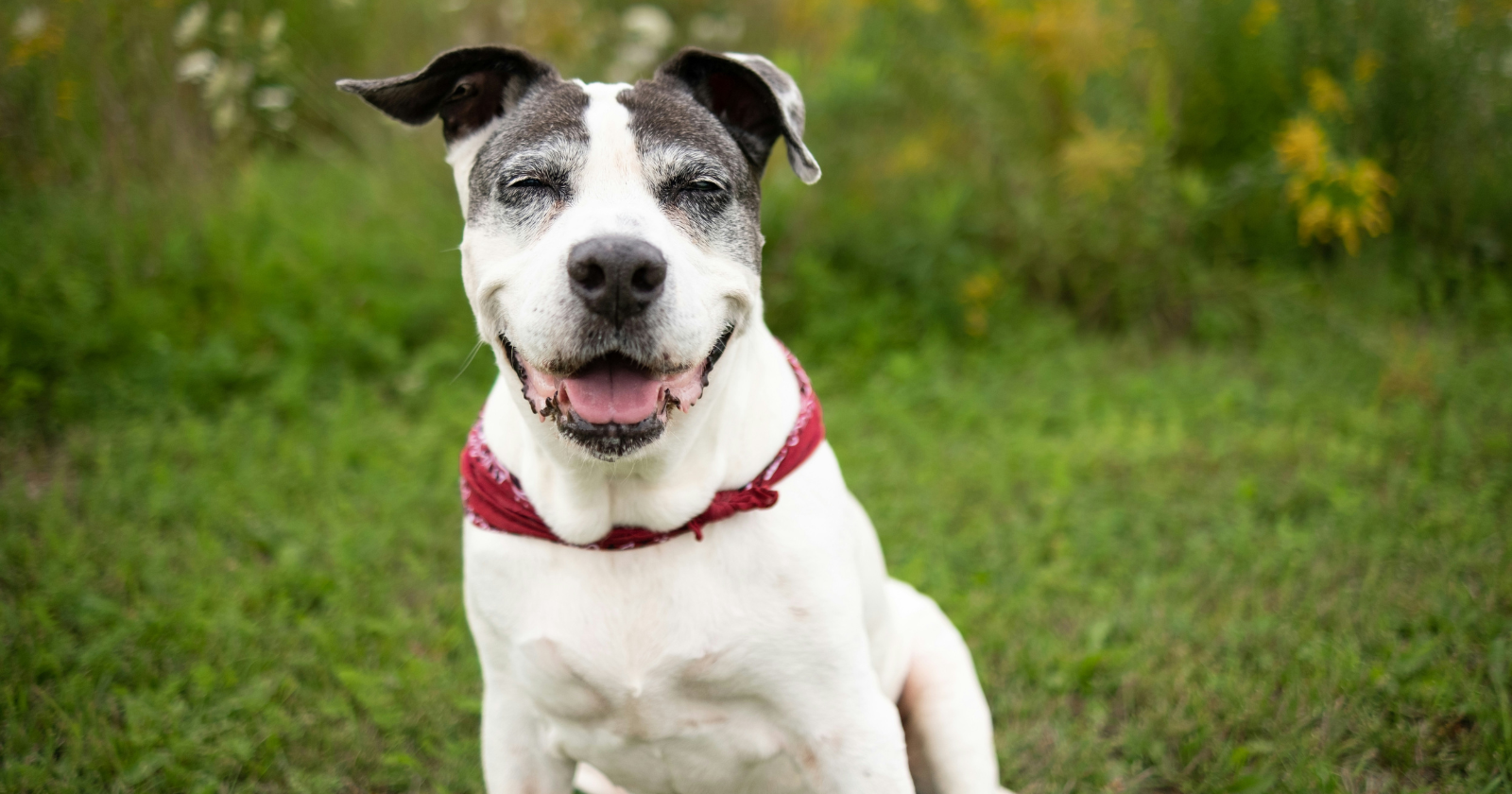
"Between you and me, it was painful to watch. The poor guy was dealing with the same issues I'd been hearing about from so many dog owners lately: bloating, vomiting, and that uncomfortable pacing that screams digestive distress. What struck me wasn't just the problem itself, but how something so simple could be causing so much trouble. After diving deep into veterinary research and talking with several experts, I discovered that most of us are making one critical mistake with our senior dogs' feeding times."
"Remember when your dog was younger and could wolf down their food in seconds without any issues? Those days are long gone for our senior companions. Yet most of us haven't adjusted to this reality. According to the AKC Staff, "Eating too quickly can also lead to vomiting and discomfort, as well." This becomes exponentially worse as dogs age. Their digestive systems slow down, their metabolism changes, and what worked at age three becomes a recipe for disaster at age ten."
Senior dogs commonly suffer bloating, vomiting, and pacing from digestive distress caused by eating too quickly. Aging reduces stomach acid production, slows intestinal motility, and alters metabolism, making rapid eating more harmful. Owners often maintain feeding practices suited to younger dogs and unintentionally encourage speed eating. Simple, cost-free changes—slow-feed bowls, puzzle feeders, smaller portions, spreading kibble, elevated or supervised feeding—can reduce gulping and improve digestion. Veterinary guidance and breed-specific considerations can refine feeding strategies. Monitoring meal pace and adjusting routines for older pets often decreases vomiting, discomfort, and other age-related gastrointestinal issues.
Read at Silicon Canals
Unable to calculate read time
Collection
[
|
...
]